
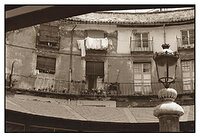
Hey Don! I used your step on leash idea today! Worked like a charm. Now why didn't I think of that? Off to develop another roll, back in 15 minutes...
-
Welcome to Photrio!Registration is fast and free. Join today to unlock search, see fewer ads, and access all forum features.Click here to sign up
You are using an out of date browser. It may not display this or other websites correctly.
You should upgrade or use an alternative browser.
You should upgrade or use an alternative browser.
Cinestill DF96 monobath
-
A
- Thread starter Huss
- Start date

Recent Classifieds
-
For Sale Set of 3 glass beakers
- Started by Jon Shiu
-
For Sale 4x5 and 5x7 Black and white sheet film
- Started by Peter Schrager
-
For Sale Set of 4 stainless beakers Leedal, Vollrath
- Started by Jon Shiu
-
For Sale Hasselblad Distagon FE 50mm
- Started by Jammoh
-
Want to Buy Jobo CPP-3
- Started by lifeandmylens
Forum statistics

We are a full service photographic resource here on PhotrioHey Don! I used your step on leash idea today! Worked like a charm. Now why didn't I think of that? Off to develop another roll, back in 15 minutes...
 .
.- Huss
- Deleted
Leica M7, CV 50 1.5 v2, HP5, Cinestill DF96
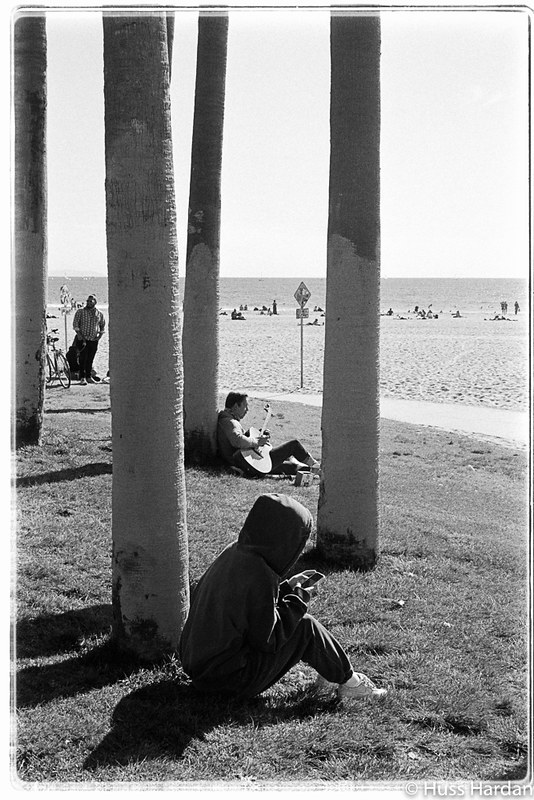

I used your step on leash idea today! Worked like a charm. Now why didn't I think of that?
My partner bred dogs -- golden retrievers and Japanese chin, mainly -- for twenty years before we met. Breeding requires showing, and showing requires knowing how to control the dogs before they're fully trained.
Leica M7, CV 50 1.5 Vintage II, Ilford HP5, Cinestill DF96

Leica M7, CV 50 1.5 SC II Vintage, HP5, DF96
"Forever"
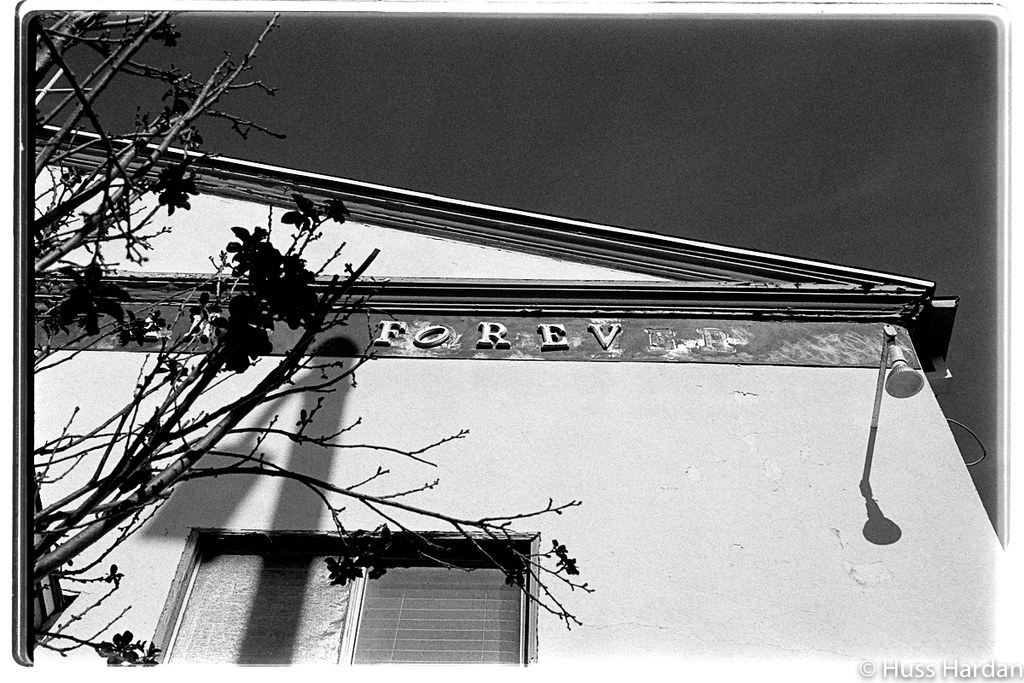
"Forever"
Leica M7, CV 50 1.5 SC II Vintage, HP5, DF96
"Bruh"
"Dood"
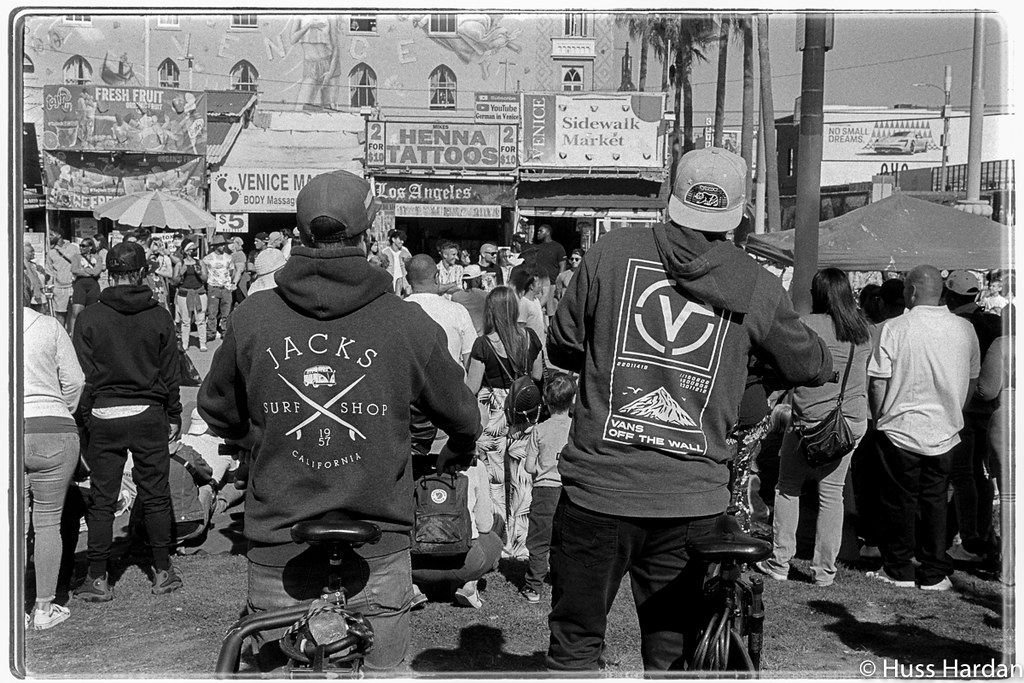
"Bruh"
"Dood"
ROLLEI QZ35W, Acros II, DF96
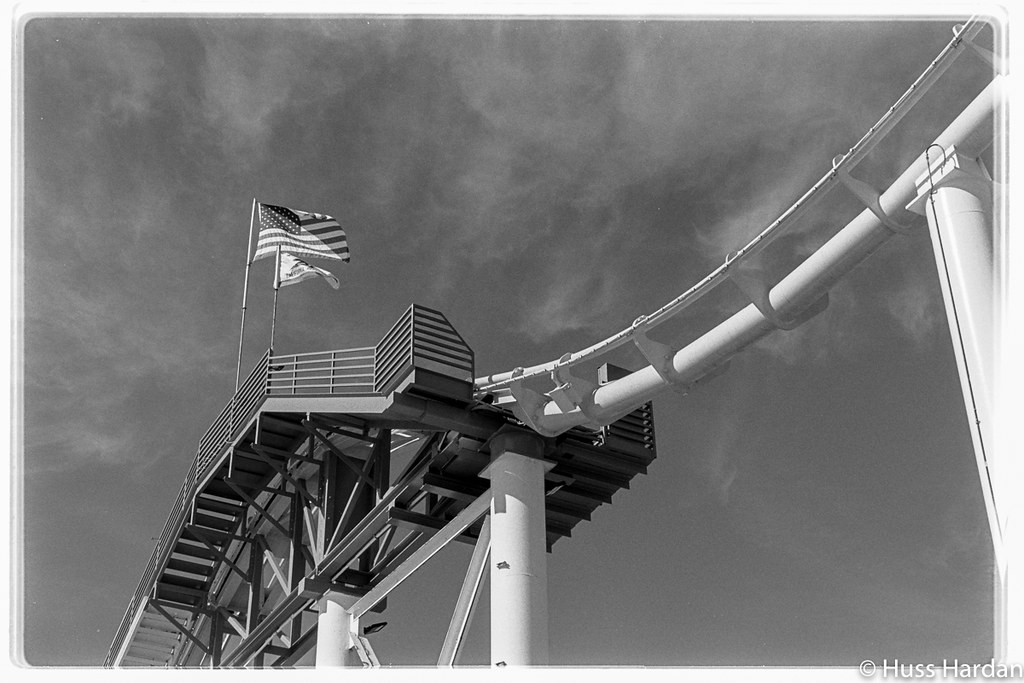
- Huss
- Deleted
- Huss
- Deleted
Rollei QZ35W, Across II, Cinestill DF96 Monobath
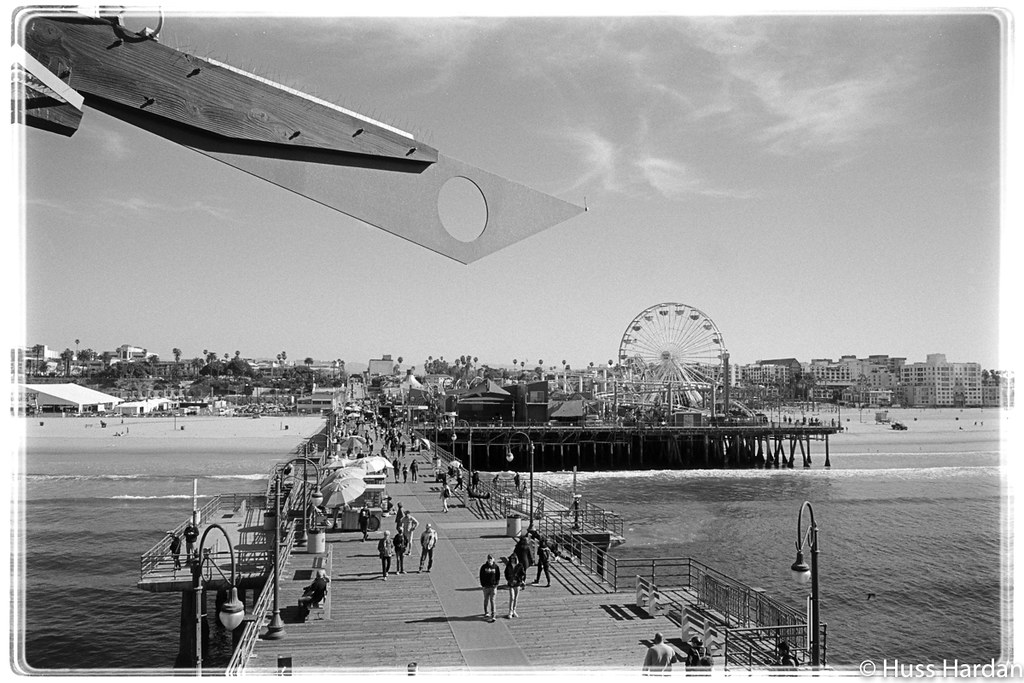
Rollei QZ35W, Acros II, Cinestill DF96
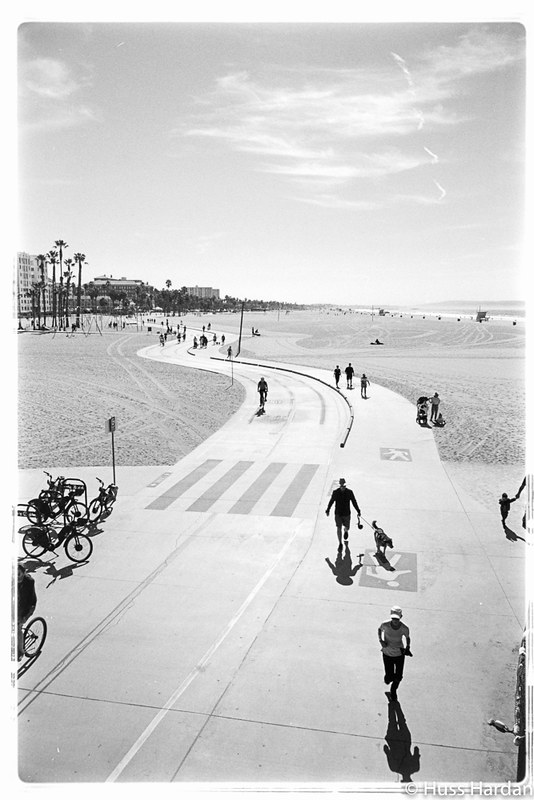
Fuji Klasse W, HP5, Cinestill DF96 Monobath
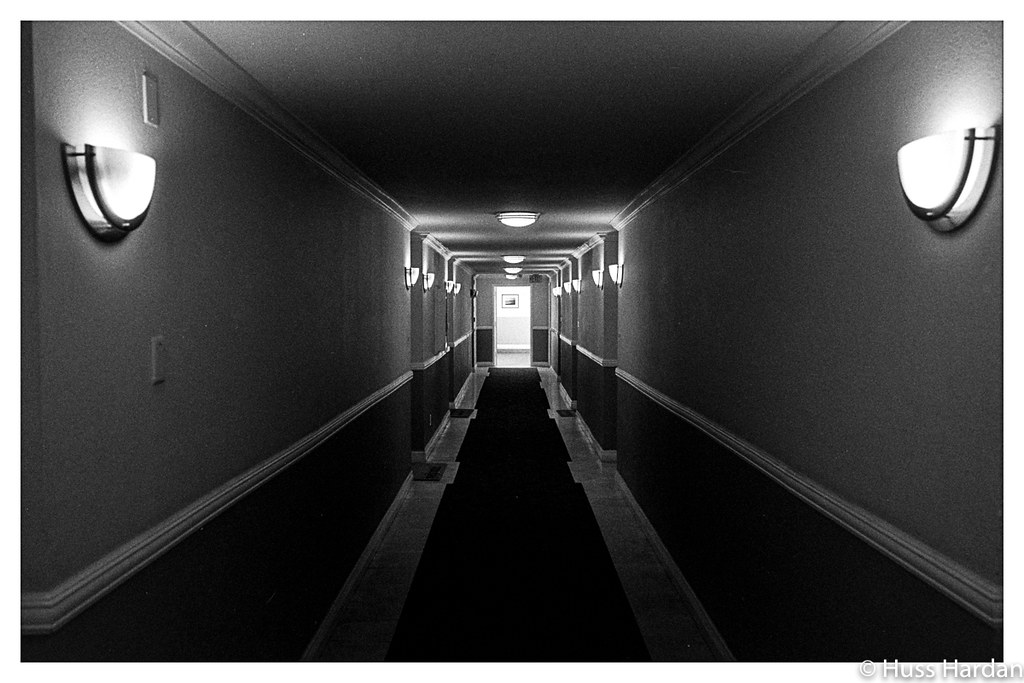
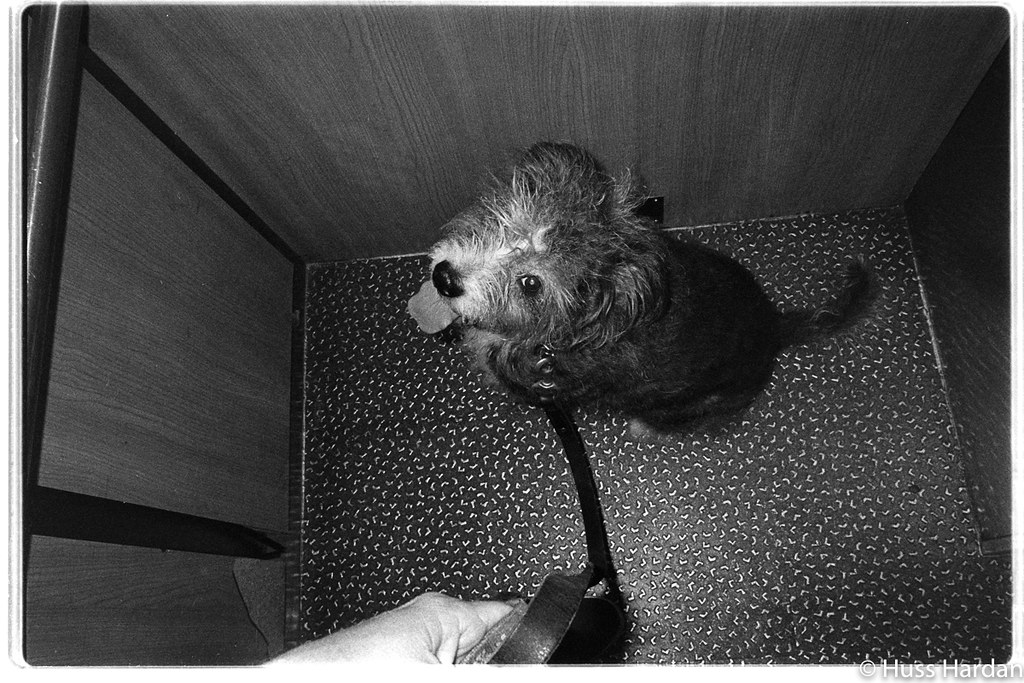

You should post a warning for pictures like that middle one. That's weapons-grade cuteness...
You should post a warning for pictures like that middle one. That's weapons-grade cuteness...

He knows it too!
mtnbkr
Member
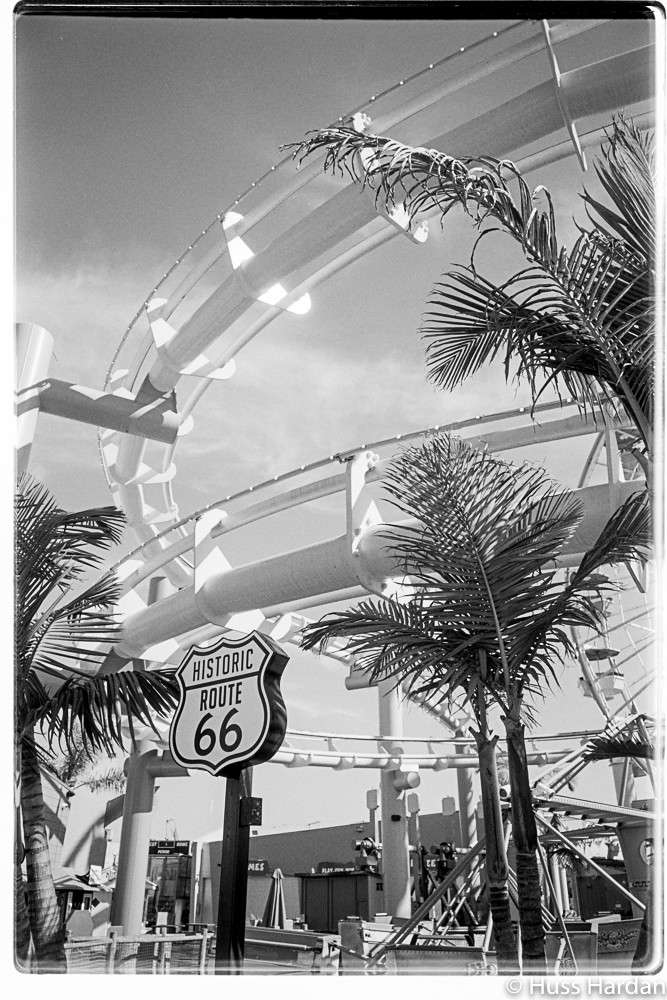
What time/temp did you use? I'm thinking about trying DF96, but haven't had any luck finding specific instructions for Acros. Most of my B&W film stock is Acros, so I want to get it right.Aaannnd, Acros II is perfect in DF96 Monobath. Silky tones, zero grain. This pic was heavily backlit, and still came out like this
Rollei QZ35W, Acros II, Cinestill DF96 Monobath
Chris
Unless Acros is an exception, it's going to be 6 minutes at 75F with continuous agitation, or whatever the instruction sheet has for push or pull or higher temp to use intermittent agitation -- that allows for doubling the time for a putative tabular grain film to fully fix.
mtnbkr
Member
Thanks! I interpreted Acros not being on the DF96 list of films to imply it wasn't compatible for some reason.Unless Acros is an exception, it's going to be 6 minutes at 75F with continuous agitation, or whatever the instruction sheet has for push or pull or higher temp to use intermittent agitation -- that allows for doubling the time for a putative tabular grain film to fully fix.
Chris
I did 8 mins at 75 for Acros
mtnbkr
Member
I did 8 mins at 75 for Acros
Extra time will do no harm at all. I also forgot to mention, don't forget to add time as the solution ages -- thirty seconds per roll previously processed, as I recall.
Also, from my own experience: if you open the tank and the film is still milky, don't just pour the Df96 back in; it will develop some of the now-fogged unfixed halide before it can finish fixing and leave a sort of faint Sabbatier reversal (BTDT). Instead, either make a habit of leaving the film in the solution for the double time recommended for tabular grain, or keep regular rapid fixer mixed and ready, just in case (which, of course, defeats much of the advantage of using the monobath).
Extra time will do no harm at all. I also forgot to mention, don't forget to add time as the solution ages -- thirty seconds per roll previously processed, as I recall.
Also, from my own experience: if you open the tank and the film is still milky, don't just pour the Df96 back in; it will develop some of the now-fogged unfixed halide before it can finish fixing and leave a sort of faint Sabbatier reversal (BTDT). Instead, either make a habit of leaving the film in the solution for the double time recommended for tabular grain, or keep regular rapid fixer mixed and ready, just in case (which, of course, defeats much of the advantage of using the monobath).
It's 15 secs per roll that you add.
Cinestill recommends double the time for the Tmax/Delta type films. They don't mention Acros, but as that is similar tech that is what I used, and it comes out perfectly.
With fresh bottle (adding 15 secs per roll going forward), I dev Acros at 75 for 8 minutes. Initial 30 second constant agitation, then 10 seconds on the top of every minute, and 2 agitations at the 30 sec mark.
Cinestill recommends double the time for the Tmax/Delta type films. They don't mention Acros, but as that is similar tech that is what I used, and it comes out perfectly.
I don't know that Fuji has ever fully claimed Acros as either cubic or tabular grain, but it has many similarities to Delta 100 and TMX (very fine grain, extremely good reciprocity), leading to many/most believing it's tabular. My point is, if you're not sure, it does no harm at all to give the doubled time -- it's just like leaving your film in the fixer and extra few minutes.
I took this claim on their info sheet to mean it's similar to Tmax/Delta. Either way, double time results in sweet sweet negatives.
Medium Speed, super fine grain, black-and-white negative film featuring Super Fine - ∑ Grain Technology
Medium Speed, super fine grain, black-and-white negative film featuring Super Fine - ∑ Grain Technology
Whatever "sigma grain technology" is -- this is what I mean about not explicitly claiming it's tabular or not. I'm not at all sure it matters; it acts like tabular, and it works well to treat it as tabular. Trying to read the Fuji patent(s) that cover it is likely to run afoul of obfuscated language and/or Japanese...
Moose22
Member
Well, I have been developing Acros recently and using the kodak fixer and xtol. It takes similar times to t grain films to clear, a bit longer than HP5. Sigma may or may not be tabular, but if it floats like a duck, quacks like a duck, and takes 5 minutes to clear my test strip instead of three, it's tabular grain.
I'm out of xtol and have a bag of monobath I'm tempted to mix up to do the acros I just finished. Gonna pretend it's like tmax lke Huss does.
I'm out of xtol and have a bag of monobath I'm tempted to mix up to do the acros I just finished. Gonna pretend it's like tmax lke Huss does.
Gonna pretend it's like tmax lke Huss does.
That seems like the way to go.
| Photrio.com contains affiliate links to products. We may receive a commission for purchases made through these links. To read our full affiliate disclosure statement please click Here. |
PHOTRIO PARTNERS EQUALLY FUNDING OUR COMMUNITY:  |