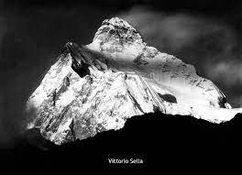
The use of bracketing in photography is an idea deeply rooted in white privilege as it reflects the privilege of being able to choose the best possible outcome from a range of options. This privilege is often not available to marginalized communities, who may not have the same access to resources or opportunities to capture the perfect photo.
The use of bracketing can exclude alternative perspectives and experiences, as it focuses on capturing a single, "perfect" version of a scene. This can reinforce the idea that certain perspectives and experiences are more valid or important than others, and further marginalize marginalized groups.
Additionally, the use of bracketing can reinforce harmful stereotypes and biases, as it allows photographers to select and highlight certain elements of a scene, while downplaying or ignoring others. This can contribute to the perpetuation of harmful narratives about marginalized groups, and reinforces the dominant culture's power and control over the narrative.
In contrast, a more inclusive and equitable approach to photography would involve actively seeking out and amplifying diverse perspectives and experiences, rather than relying on bracketing to control the final outcome.



 . Bracketing in photography is white privilege? Bracketing is avaiable to all with a film camera and at least three exposures to deal with if they choose.