


M Carter
Member
I need to test HVLP spraying of liquid emulsion (using Fomaspeed for now and maybe Liquid Light down the line, FOMA is out of stock until at least june and who knows these days...)
I understand (and have used) coffee creamer and dilute gesso to practice coating and so on, but gelatin is a unique substance, and I'm concerned with how it might spray, if it might dry while airborne, what effect hardeners have and so on. I'd prefer to use hardener in this application, FOMA ships with its own hardener (they recommend 15ML per liter of emulsion), no idea what it is though. I do have Glyoxal.
So to dial in spraying, my guess is using grocery store gelatin (vs. using up my expensive photo gelatin) might be a good idea. Do I just bloom and mix a 10% batch, maybe add hardener and photoflo as if sizing paper? Or is there any sort of standard mix that would simulate emulsion characteristics? thanks for any help!
I understand (and have used) coffee creamer and dilute gesso to practice coating and so on, but gelatin is a unique substance, and I'm concerned with how it might spray, if it might dry while airborne, what effect hardeners have and so on. I'd prefer to use hardener in this application, FOMA ships with its own hardener (they recommend 15ML per liter of emulsion), no idea what it is though. I do have Glyoxal.
So to dial in spraying, my guess is using grocery store gelatin (vs. using up my expensive photo gelatin) might be a good idea. Do I just bloom and mix a 10% batch, maybe add hardener and photoflo as if sizing paper? Or is there any sort of standard mix that would simulate emulsion characteristics? thanks for any help!


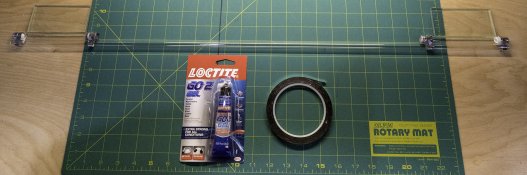

 . If you first prime the canvas with handmade baryta subbing, you can coat handmade emulsion, made with a slightly lower water content, using wet paper technique. You'll wet the primed canvas and squeegee it flat to your coating surface. Then, a glass tube coater will work perfectly.
