Correct - we have decent access to pre-packaged items, but poor access to raw chemicals.
And those of us in the Vancouver area are much better off than people in the middle of the country.
As much as I try to see "the merits of driveway cleaner vs the raw ingredients of driveway cleaner" being a captivating conversation I don't think it will provide anyone any sort of opinion of what motion picture film will look like when used for still photography.
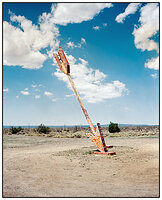
In an attempt to steer this thread back to its intended subject here is an RA-4 darkroom print from Vision3 500T film that was cross processed in C-41 chemistry and *gasp* driveway cleaner. It was shot in dim daylight with a Leica and a 50mm summicron, 1/60 ƒ/2.0 I believe.
As much as I try to see "the merits of driveway cleaner vs the raw ingredients of driveway cleaner" being a captivating conversation I don't think it will provide anyone any sort of opinion of what motion picture film will look like when used for still photography.
In an attempt to steer this thread back to its intended subject here is an RA-4 darkroom print from Vision3 500T film that was cross processed in C-41 chemistry and *gasp* driveway cleaner. It was shot in dim daylight with a Leica and a 50mm summicron, 1/60 ƒ/2.0 I believe.
As much as I try to see "the merits of driveway cleaner vs the raw ingredients of driveway cleaner" being a captivating conversation I don't think it will provide anyone any sort of opinion of what motion picture film will look like when used for still photography.
In an attempt to steer this thread back to its intended subject here is an RA-4 darkroom print from Vision3 500T film that was cross processed in C-41 chemistry and *gasp* driveway cleaner. It was shot in dim daylight with a Leica and a 50mm summicron, 1/60 ƒ/2.0 I believe.
Like!
I am encouraged that you got that result in an RA4 darkroom print from *gasp* C41! I like the colors and saturation. Did you do anything special? Standard developing times for film and paper? Fuji Crystal Archive? Nice one!
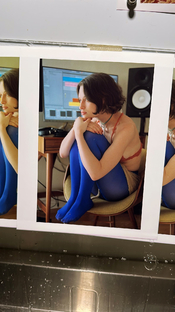
RA-4 print is standard 2m dev and 2m blix at room temp. Paper is Fuji Crystal Archive II glossy. The 8x10 was scanned with an epson flatbed and then adjusted in capture one so that the scans from the epson match a scanned color checker. Basically the print on the computer screen matches the print in hand well enough. No digital trickery or anything like that. Adding an iPhone shot of the print on the board in the darkroom for context.
The biggest advantage to pellets vs. flakes is there's somewhat less tendency for the particles to weld together -- which can make the material hazardous to use (instruction on the Red Devil cans used to say to discard the can -- via the Federally prescribed method -- if this occurred).
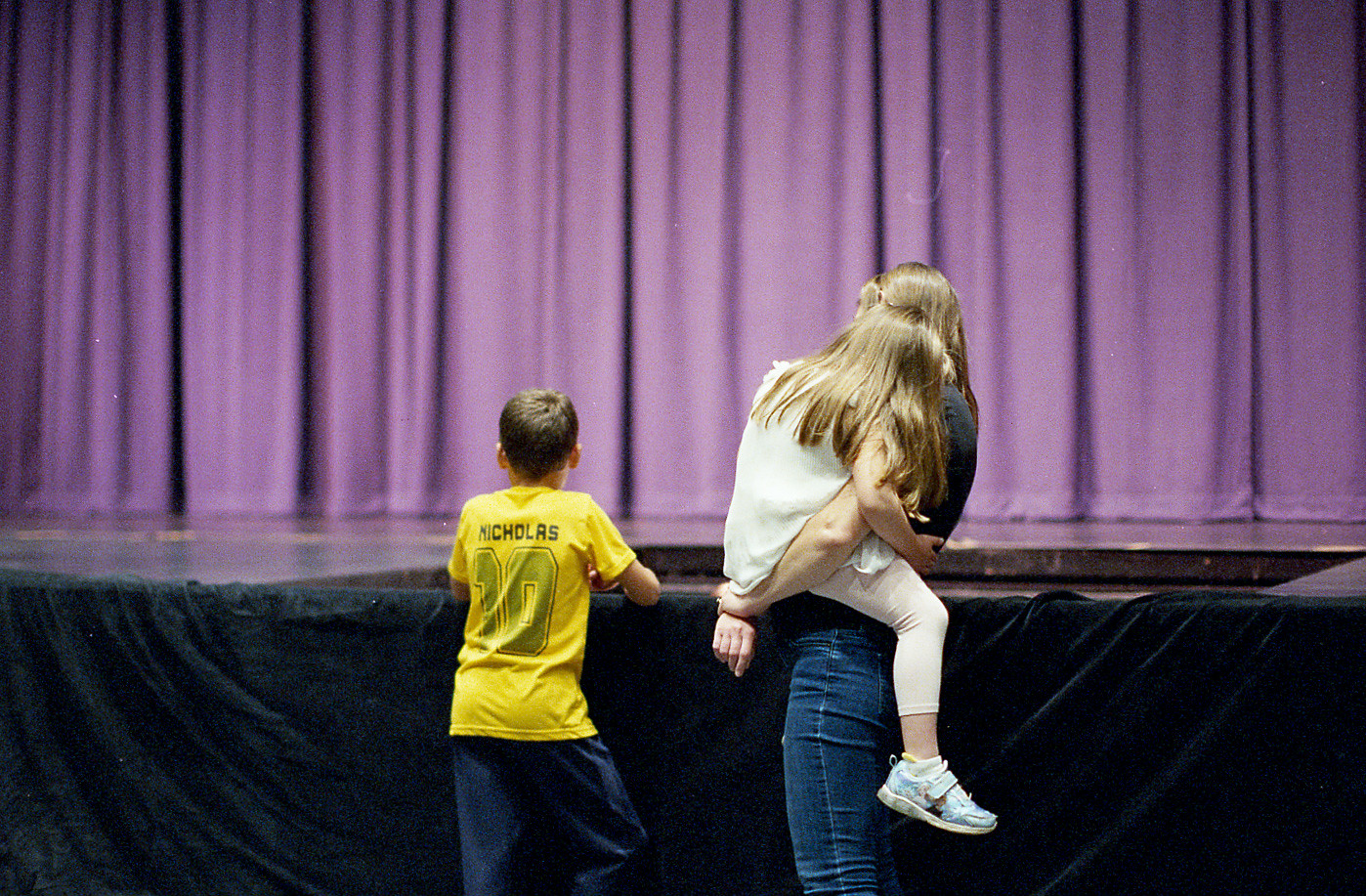
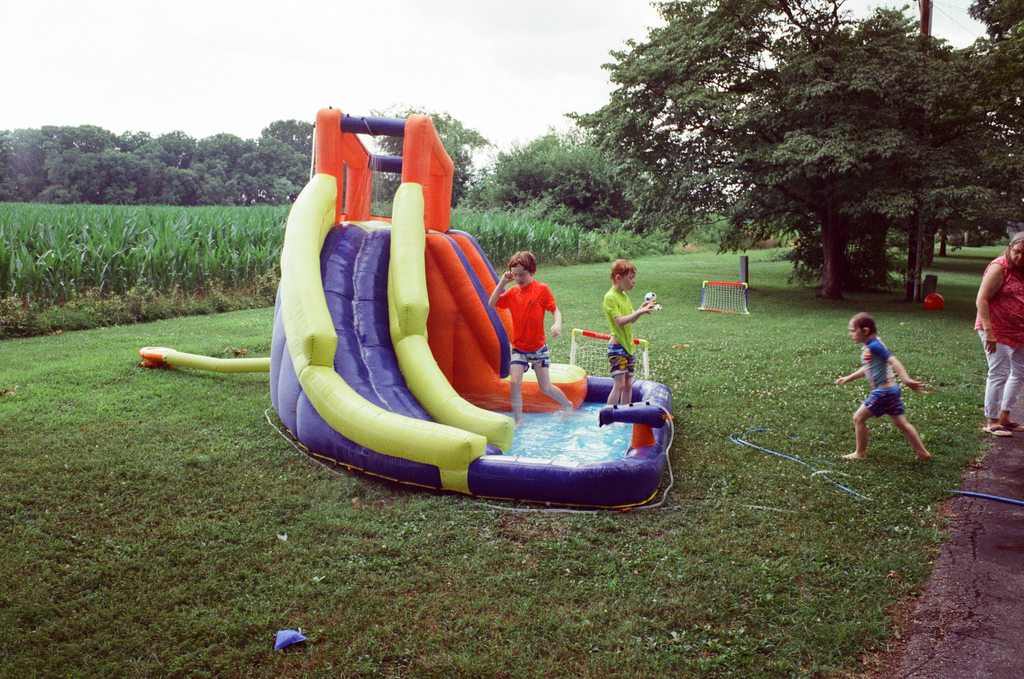
I was looking at something from Reflx Lab and suddenly found myself down the rabbit hole of their respooled Kodak Vision 3 films, particulary 500T. Most of the photos I have come across taken with this stock are outdoor/daylight photos. I would love to see more examples of this film used indoors in tungsten-ish lighting.
Also for anyone thats interested for sending their ECN-2 film out to get developed in ECN-2 chemicals, a lab called Midwest Film Co does developing for $8 bucks:
I was looking at something from Reflx Lab and suddenly found myself down the rabbit hole of their respooled Kodak Vision 3 films, particulary 500T. Most of the photos I have come across taken with this stock are outdoor/daylight photos. I would love to see more examples of this film used indoors in tungsten-ish lighting.
Photrio.com contains affiliate links to products. We may receive a commission for purchases made through these links. To read our full affiliate disclosure statement please click Here.