
Somewhere in between traditional printing and lith printing, is yet another world.
Its a lot of fun in my opinion. Its a great 'normal'-ish developer in its own right but has diversity.
If you have never done normal lith printing this might be a bit maddening .
There is no set development time.
Its more intuitive and has what is called a snatch point to get the sucker out of there .
Longer, too strong; shorter, too weak.
I have very limited use of developers so Im interested in what the experienced have to say.
I tweaked the whole system to work well with this. At current, Im shooting 35mm using ilford delta at 50 developed in rollo pyro for 7min.
Ive found it gives nice straight prints with the other variables below.
So, this is what Im doing:
I buy the arista powder from Freestyle.
30ml Arista A, 25ml Arista B, 120ml room temp water.
6:5:24
Don't ask how I came up with the ratio....I've long forgotten....
If I was to give it a name I guess I'd call it SLD or SLD6524
Anyway, this is the small amount I use for 5X7 and smaller prints in a 5X7 tray.
Its just enough to cover the print.
It creates a nice warm tone with Fomatone MG. I like the velvet so Im using the 133.
If I use the 00 filter I gain control of the blacks a bit more.
For an idea on exposure with this combo its about 1min at f/11.
There is still a snatch point but it builds up a bit slower so its easier to tell I think.
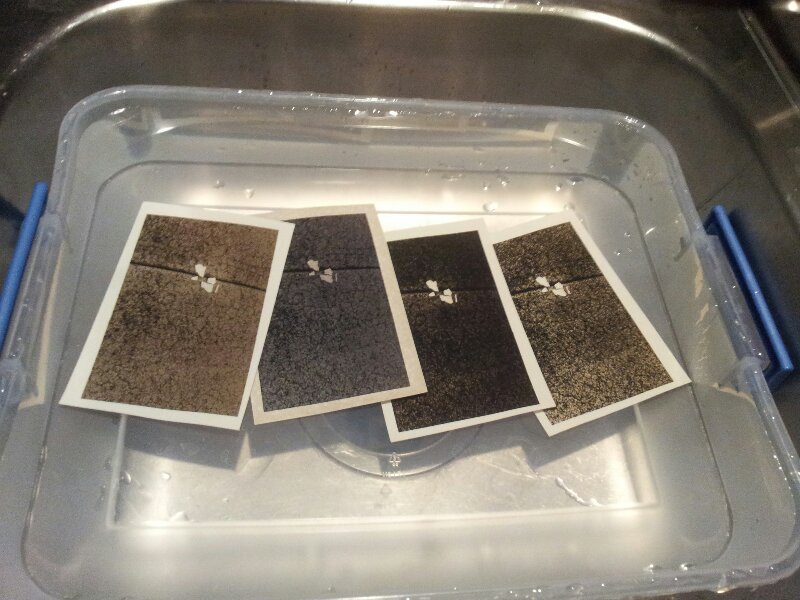
The first print is ready in about 3 mins or so with the developer at room temp (78F tap today) and times increase from there, but not too bad.
You could heat it up like normal lith printing, but since its strong I just do without.
I think it lasts a bit longer too. Its really a fun journey.
The earlier prints are more of standard development but have a nice lith shift.
Ive become pretty comfortable with a snatch if Ive found the right area to look at.
If so, I just skip to another negative. I can get that satisfied even without dodging and burning.
If you keep going with more prints or longer time of dev just sitting(oxidizing), you will get the more lithy look.
Im not using old brown, just mix it and go for a run with a negative, then toss.
A 'run' can be 3-4 prints or 10. I haven't gone that far but it all depends on what you are after and how lithy you want it. I find myself sometimes just wanting to use it more as a normal developer and stopping.
As with regular lith, it will get to a point of 'who knows what will happen'...
The Arista powder costs $18 and makes a gallon each of A and B.
So its really pretty cheap compared to paper if you make it a 3-4 shot dev, especially for a nice tone and a lot of fun. The tone can shift depending on how much light you feed it. It's very warm. Tannish, olive out of the fixer.
Selenium is VERY effective. It kind of has its own snatch point depending on what you are after. I like to just bring in the blacks a bit and pull it. Thats in the 15-20s range usually.
Thats keeps the warm tone. If you keep going its still have a nice tone but will start to get purpley. If you keeeeep going (2min) it will be a deep red/brown.
The dry down is pretty significant, especially if you did Selenium. Thats when you need to know your snatch point. However, if you know how to compensate for it, I think its a pretty badass looking print, in hand, compared to all the other normal dev/paper combos I tried.
For those that make lith prints, I think youll still have lots of fun with this. I can say that the bleach back in the fixer isnt as much so look out for that.
Im very interested in what others experience, especially with other papers.
I'm low on MGWT but I think I have some snippets to tryout. That and a couple of others I'm curious about, so I continue to update. I like fomatone but never cared too much for the pinks. The stronger the developer got, the bigger the shift away.
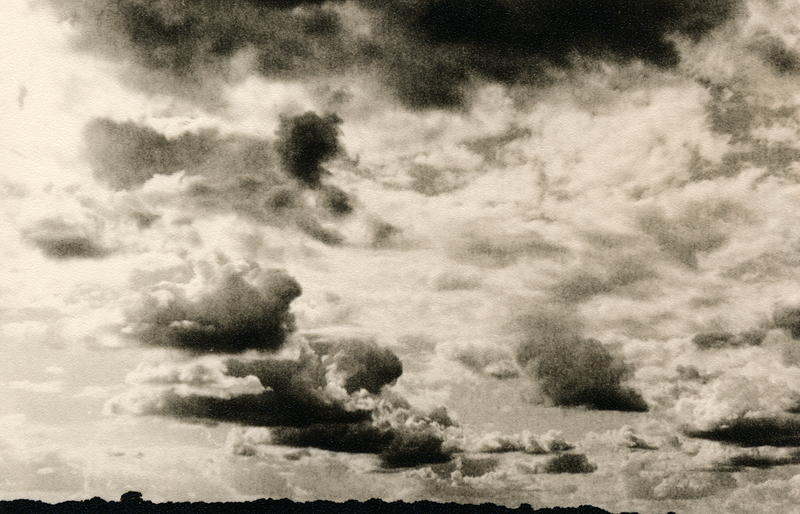
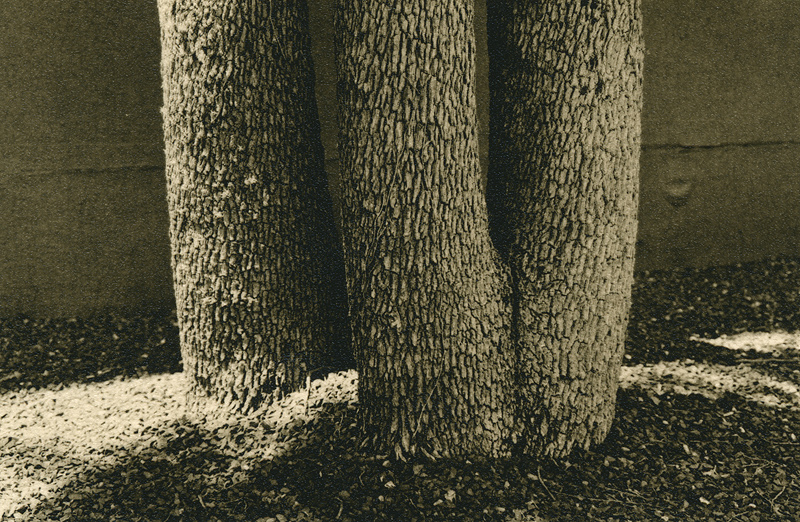
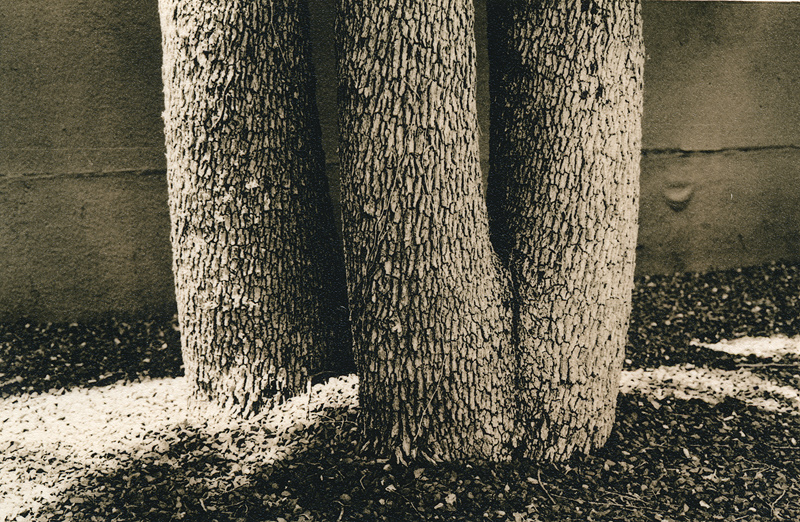
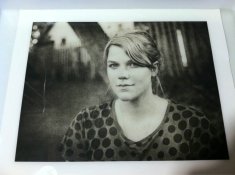
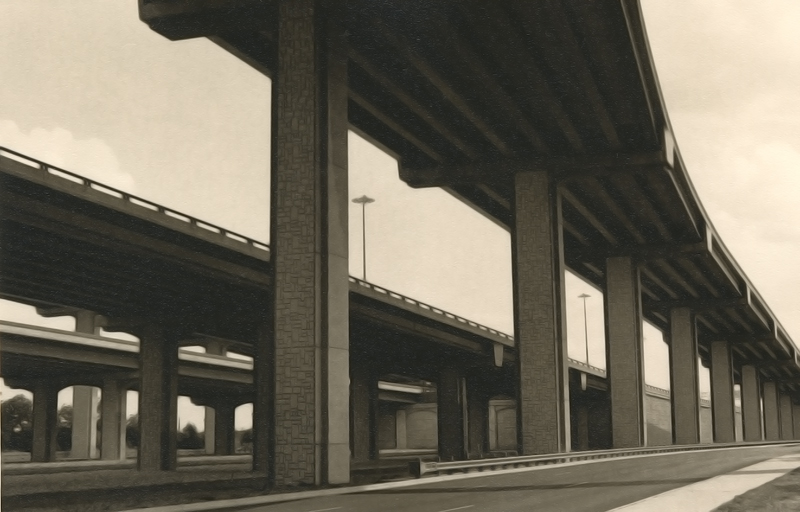
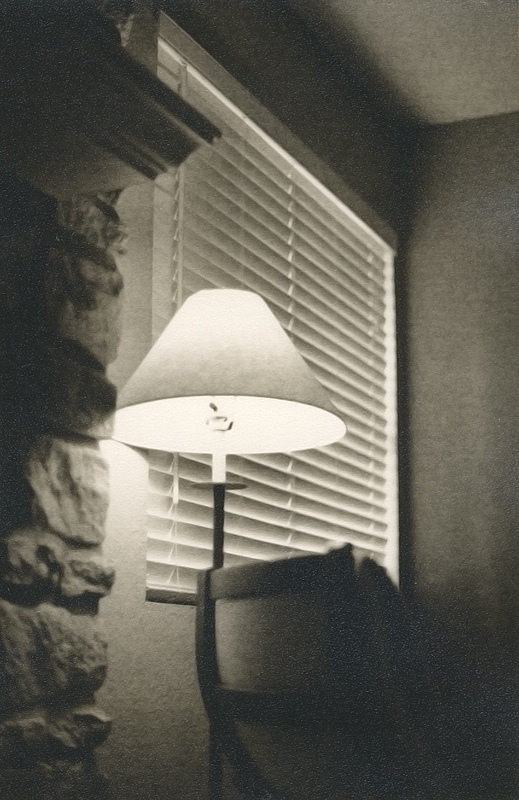
However, it's difficult to scan because of the velvety sheen. Here are two from last night with parameters above, ~20s in selenium (thinking of diluting for more control, it's 1:10). It's also hard to get the right tone on the scanner.....These are straight with no dodging or burning. It may be hard to see but the second one held the shadows well and it was a low light exposure.
Its a lot of fun in my opinion. Its a great 'normal'-ish developer in its own right but has diversity.
If you have never done normal lith printing this might be a bit maddening .
There is no set development time.
Its more intuitive and has what is called a snatch point to get the sucker out of there .
Longer, too strong; shorter, too weak.
I have very limited use of developers so Im interested in what the experienced have to say.
I tweaked the whole system to work well with this. At current, Im shooting 35mm using ilford delta at 50 developed in rollo pyro for 7min.
Ive found it gives nice straight prints with the other variables below.
So, this is what Im doing:
I buy the arista powder from Freestyle.
30ml Arista A, 25ml Arista B, 120ml room temp water.
6:5:24
Don't ask how I came up with the ratio....I've long forgotten....
If I was to give it a name I guess I'd call it SLD or SLD6524
Anyway, this is the small amount I use for 5X7 and smaller prints in a 5X7 tray.
Its just enough to cover the print.
It creates a nice warm tone with Fomatone MG. I like the velvet so Im using the 133.
If I use the 00 filter I gain control of the blacks a bit more.
For an idea on exposure with this combo its about 1min at f/11.
There is still a snatch point but it builds up a bit slower so its easier to tell I think.
The first print is ready in about 3 mins or so with the developer at room temp (78F tap today) and times increase from there, but not too bad.
You could heat it up like normal lith printing, but since its strong I just do without.
I think it lasts a bit longer too. Its really a fun journey.
The earlier prints are more of standard development but have a nice lith shift.
Ive become pretty comfortable with a snatch if Ive found the right area to look at.
If so, I just skip to another negative. I can get that satisfied even without dodging and burning.
If you keep going with more prints or longer time of dev just sitting(oxidizing), you will get the more lithy look.
Im not using old brown, just mix it and go for a run with a negative, then toss.
A 'run' can be 3-4 prints or 10. I haven't gone that far but it all depends on what you are after and how lithy you want it. I find myself sometimes just wanting to use it more as a normal developer and stopping.
As with regular lith, it will get to a point of 'who knows what will happen'...
The Arista powder costs $18 and makes a gallon each of A and B.
So its really pretty cheap compared to paper if you make it a 3-4 shot dev, especially for a nice tone and a lot of fun. The tone can shift depending on how much light you feed it. It's very warm. Tannish, olive out of the fixer.
Selenium is VERY effective. It kind of has its own snatch point depending on what you are after. I like to just bring in the blacks a bit and pull it. Thats in the 15-20s range usually.
Thats keeps the warm tone. If you keep going its still have a nice tone but will start to get purpley. If you keeeeep going (2min) it will be a deep red/brown.
The dry down is pretty significant, especially if you did Selenium. Thats when you need to know your snatch point. However, if you know how to compensate for it, I think its a pretty badass looking print, in hand, compared to all the other normal dev/paper combos I tried.
For those that make lith prints, I think youll still have lots of fun with this. I can say that the bleach back in the fixer isnt as much so look out for that.
Im very interested in what others experience, especially with other papers.
I'm low on MGWT but I think I have some snippets to tryout. That and a couple of others I'm curious about, so I continue to update. I like fomatone but never cared too much for the pinks. The stronger the developer got, the bigger the shift away.
However, it's difficult to scan because of the velvety sheen. Here are two from last night with parameters above, ~20s in selenium (thinking of diluting for more control, it's 1:10). It's also hard to get the right tone on the scanner.....These are straight with no dodging or burning. It may be hard to see but the second one held the shadows well and it was a low light exposure.