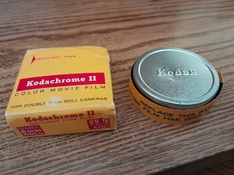
Developing Kodachrome in its original, vibrant color (the
K-14 process) is no longer possible. The last lab in the world to offer this service, Dwayne’s Photo in Kansas, processed its final roll in January 2011 after Kodak stopped manufacturing the specialized chemicals required.
However, if you have an old roll of Kodachrome, you still have two main options in 2026:
1. Develop as Black & White (The Most Reliable Option)
Because Kodachrome is essentially a complex black-and-white film with color dyes added during the (now extinct) development process, it can still be processed as high-quality black-and-white negative film.
- Film Rescue International: They specialize in "lost" and expired film. They can develop Kodachrome into B&W and even offer a digital colorization service to approximate the original look.
- Blue Moon Camera and Machine: Known for their expertise with vintage formats, they offer B&W processing for Kodachrome.
- Process One: They offer dedicated services to turn old Kodachrome rolls into B&W negatives.
2. Specialty "Rescue" Labs (Experimental Color)
A few specialized labs have developed proprietary methods involving high-end scanning and AI-assisted color restoration to try and "bring back" color from Kodachrome.
- Andrew’s Analog Service Center: As of 2026, they offer a specialty service using a process they call PhotoFlux. They claim to be able to restore color to old Kodachrome and C-22 film stocks, though they note it is a blend of chemistry and digital reconstruction.
Important Things to Know Before You Send It
- No Guarantees: These films are often decades old. Heat, humidity, and radiation (X-rays) can degrade the hidden images.
- Rem-Jet Backing: Kodachrome has a black "rem-jet" layer that most modern labs cannot handle. Do not send Kodachrome to a standard 1-hour lab or a typical local lab; the rem-jet will ruin their machines and your film.
- Cost: Expect to pay significantly more than standard development (usually $20–$40 per roll) due to the manual labor involved.
Pro Tip: If you decide to develop it yourself at home, you must manually remove the black rem-jet backing using a baking soda bath before or during development, or you'll end up with a mess of black soot.
Would you like me to find the current mailing address or pricing for one of these specific labs?