Okay, I actually wrote to Sekonic and here is the response I got.
Dear Mr. or Ms. Subhro Kar,
Thank you for your inquiry.
I am Minoru Oda(Mr) from Sales Operation Sec.
of light meter in Sekonic Corporation in Japan.
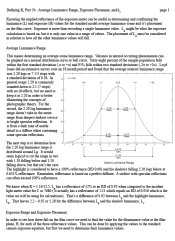
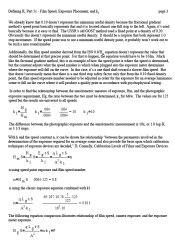
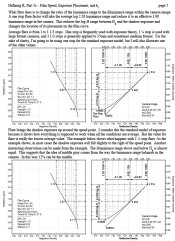
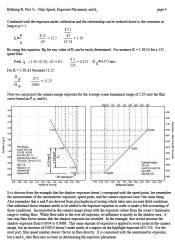
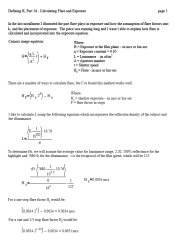
As you already might know, exposure value is determined by calibration constants.
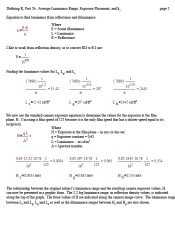
Our light meter has K=12.5, C=340(Lumisphere), C=250(Lumidisc).
Therefore, the incident reading and the reflected reading(with 18% gray) are different under the
condition of point light source and in dark room. However, the reason you mentioned is a little
wrong.
These calibration constants means that if you measure 16% gray with spot, the reading might be
same as incident reading of lumidisc.
However, in the measurement with lumisphere, the lumisphere receives more light than Lumidisc
does.
It is no meaning to compare the readings between Lumisphere (incident) and Spot(reflected) because
they are different system and receive different light.
If forced to say, if you measure 11.5% gray with spot, the reading might be same as incident reading
of lumisphere under the condition of point light source and in dark room with no reflection from
walls.
However, actually in the lighting in nature or studio, "Point light source" are impossible.
So, this is only for theory and formula.
We have traditionally continued to use C=340(Lumisphere) from long time ago, because we have
recommended it and our customer has appreciated its performance in nature or studio.
Does it answer your inquiry?
If you have any question, please kindly let us know.
Sincerely yours,
Minoru Oda
Sales Operation Sec.