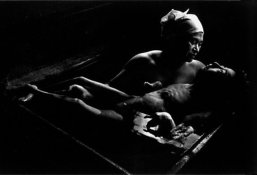
Like the old commercial, "You can me Ray or you can call me Jay but, you doesn't have to call me Johnson."
Raymond J. Johnson Jr.

All right, Ray!

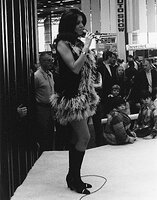
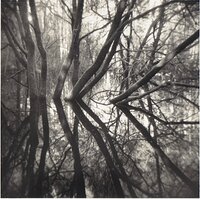
Like the old commercial, "You can me Ray or you can call me Jay but, you doesn't have to call me Johnson."
Raymond J. Johnson Jr.

Anytime you photograph under different lighting conditions, it's always a compromise when it comes to development. All things considered, I think they turned out quite well!
If you think this is high contrast you should see the same shots with Tri-X and HC-110 Dil H. Looking back over the negatives, I think they could stand a slight reduction in developing time...maybe half a minute or so. that could reduce the perceived contrast as well.

Film Photography Project probably used a bulk loader to manually load your cassette.
I would be very surprised if their operation is big enough to have the sort of film packaging equipment that the manufacturers use.
I think they gave you too little film, but not by much.


I was going to remark on the grain, though. It does seem so much different in "texture" or "shape" from what I have seen on still film, but I have little experience with tri-x in any format. Col. "Ray" photos of especially the hose reel and the gas meter especially. I can almost "see" a similarity to BW movies graininess, which is mostly not visible at 24pfs.As far as I can determine the differences between cine and still films are mechanical and not emulsion related.
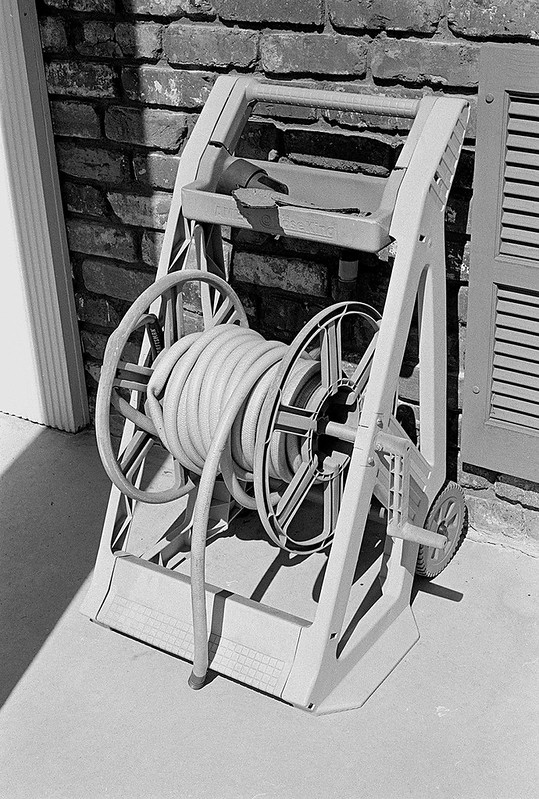 Double X film developed in ID-11 1:1 for 8 minutes. Shot at ASA 250 with Leica M4 and 50 f2 DR Summicron lens. by David Fincher, on Flickr
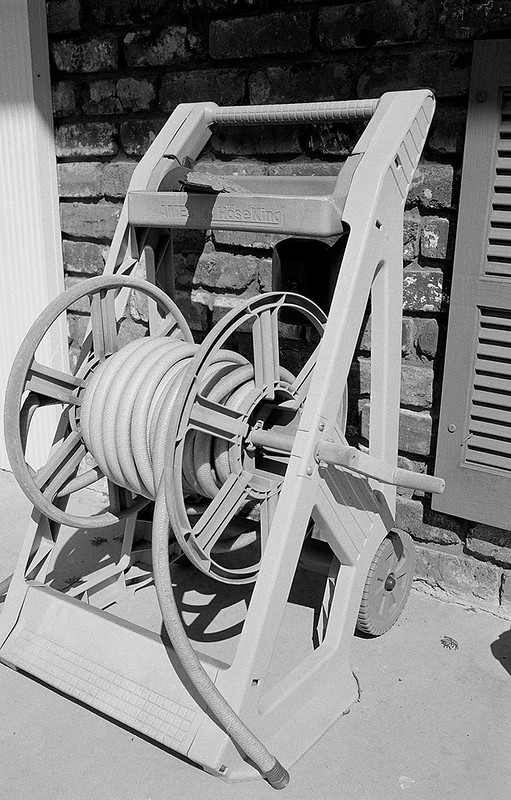 LeicaM4 and Tri-X with HC-110 Dil H by David Fincher, on Flickr
I was going to remark on the grain, though. It does seem so much different in "texture" or "shape" from what I have seen on still film, but I have little experience with tri-x in any format. Col. "Ray" photos of especially the hose reel and the gas meter especially. I can almost "see" a similarity to BW movies graininess, which is mostly not visible at 24pfs.
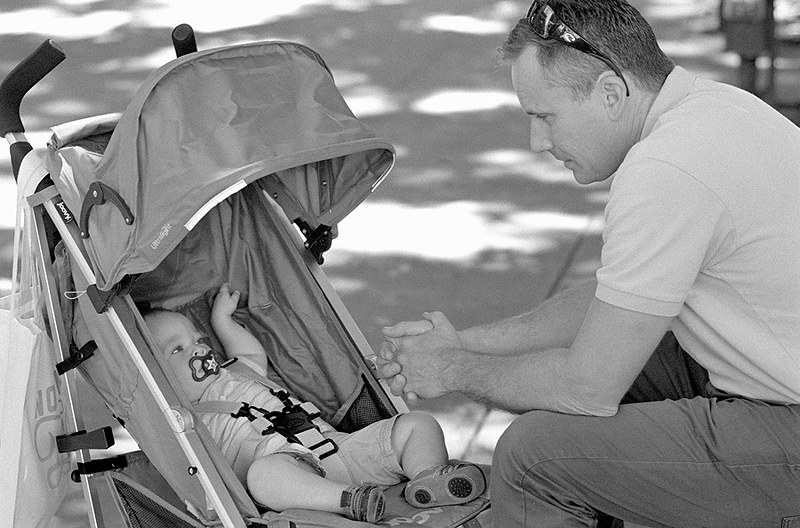 Dntwn+012a by David Fincher, on Flickr
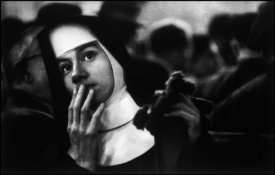
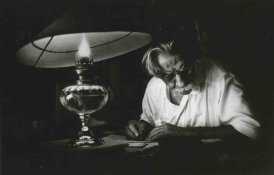
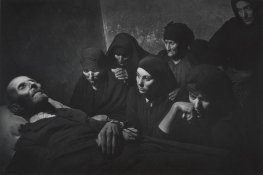
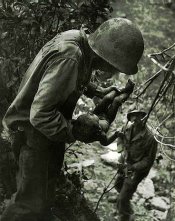
That "look" has almost nothing to do with the film.I guess in my mind I'm still looking for that "look" I see in books on Eisenstaedt and HCB's photos and I'm just not getting there. Something about them I like a lot but neither HP-5, TX or 5222 seems to be the one. Take the photo Gene Smith did on his essay "Spanish Village" and his photo he called "The Wake". Marvelous lighting, subject composition and just the look I like. No idea as to the film used, perhaps the old Super XX that the other two used a lot but I'm not sure. Maybe I'm seeking the illusive butterfly.
David,I guess in my mind I'm still looking for that "look" I see in books on Eisenstaedt and HCB's photos and I'm just not getting there. Something about them I like a lot but neither HP-5, TX or 5222 seems to be the one. Take the photo Gene Smith did on his essay "Spanish Village" and his photo he called "The Wake". Marvelous lighting, subject composition and just the look I like. No idea as to the film used, perhaps the old Super XX that the other two used a lot but I'm not sure. Maybe I'm seeking the illusive butterfly.
I agree!Books can also distort our perceptions.
I've seen a few "famous" photos in original print version. In almost all cases, the published versions of those photos are different - usually more dramatic.
| Photrio.com contains affiliate links to products. We may receive a commission for purchases made through these links. To read our full affiliate disclosure statement please click Here. |
PHOTRIO PARTNERS EQUALLY FUNDING OUR COMMUNITY:  |