You can't shoot film at 3200 and 6400. I don't care what they say.
You most certainly can, AND you can get good results.
You do lose shadow density, but for many shots in the kind of lighting where you'd be doing this, that won't matter.
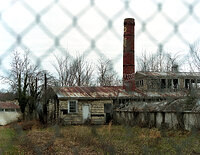
I don't have any experience with Delta 3200 in ID-11. I use T-Max developer with it which is excellent for pushing, and once my T-Max is gone will probably change to DD-X which is similar. For best results with this film develop for one stop more than you shot it at, thus develop per the instructions for EI 12500 since you shot it at 6400. That said, 6400 is a huge push for this film. I've done it successfully with TMZ but never tried it with D3200. This is TMZ at 6400 in T-Max developer (the color cast was done by printing this black and white negative on RA4 paper and filtering accordingly, not done digitally.) This was developed in T-Max developer per the instructions for EI 12,500:
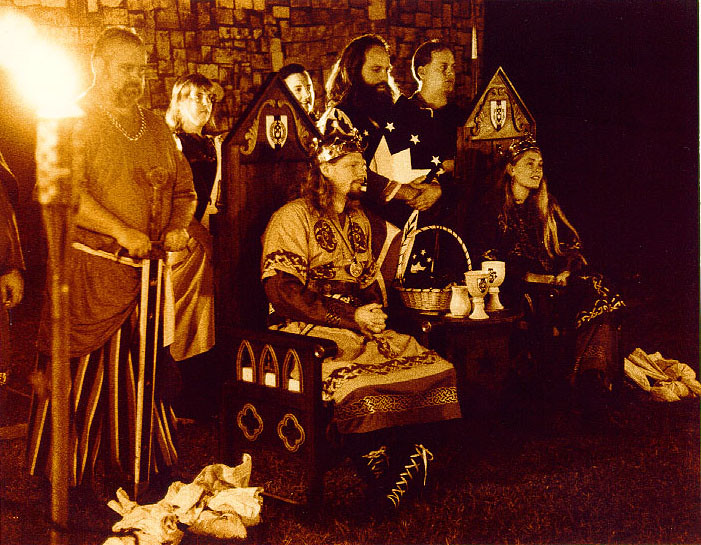 SCACOURT
 by
Roger Cole, on Flickr
Sure, the shadows are empty, but I still think the shot works.
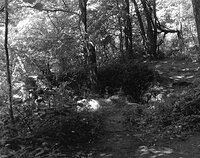
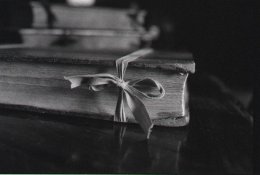
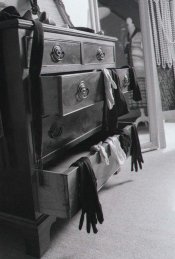
Of course the OP was asking about D3200. These are Delta 3200 shot at 3200, metered with a Goseen Luna Pro SBC (just an averaging reading of the scene) and developed in T-Max per instructions for 6400. Yashicamat 124G for both:
I would highly recommend using either T-Max developer, DD-X or Microphen especially for EI 6400, but if you really want to try ID11, the data sheet for this film says 17 minutes in stock ID11 at 68F for EI 12500. I'd go with that for negatives shot at 6400. Realize that you will be missing shadow detail, but midtones will print with enough contrast to look pretty good. Prints can look fine depending on whether that lost shadow detail matters much.