
• Welcome to Photrio!
    Registration is fast and free. Join today to unlock search, see fewer ads, and access all forum features.
    Click here to sign up

Anyone tried FPP ISO 3 colour film? On sale...

Recent Classifieds

Forum statistics

Threads
203,062
Messages
2,849,341
Members
101,629
Latest member
Evgenymv
Recent bookmarks
0
While not a direct comparison, here's a similar film from FPP (Kodak 2254, ISO 1.6) processed in C-41. Color temperature tends to shift with exposure (becoming warmer the more exposure is given) and the blue/green curves are janky when used in daylight.

It's a witheringly sharp film, as one might expect, and good colors for pictorial use are achievable even though they can be a bit off-kilter. Who needs an ND filter anyway? :tongue:

Epsonscan auto-corrected and cooled color temperature, respectively.

2254.jpg


Edit: Also, this stock does have an integral mask, but appears more red than orange to the eye.
 
Last edited:
If we can "rescue" almost anything with the requisite scanning skills and the right software do we need good quality C41 film that can be projected by an enlarger and printed on RA4? It would seem the answer is a resounding NO

pentaxuser
 
*grouses*
pentaxuser

Given the extremely limited availability of RA-4 materials to the hobbyist and the persnickity, closely guarded C-41 developer formula, I'd agree that C-41 and RA-4 are headed the way kodachrome.

Film stocks like the ones being discussed in this thread (digital intermediate stocks) are soley the by-product arcane cinema workflows and are state-of-the-art for their prescribed uses. The fact they're available to consumers in 35mm cassettes at all is a good enough reason for me to shoot it. YMMV.
 
If we can "rescue" almost anything with the requisite scanning skills and the right software do we need good quality C41 film that can be projected by an enlarger and printed on RA4? It would seem the answer is a resounding NO

pentaxuser
Well ...
Some of those images look like the "rescue" animals that we can all love, even if they are missing one leg, an ear and an eye and aren't seeing too well out of the remaining eye.
:whistling:
 
Given the extremely limited availability of RA-4 materials to the hobbyist and the persnickity, closely guarded C-41 developer formula, I'd agree that C-41 and RA-4 are headed the way kodachrome.

Film stocks like the ones being discussed in this thread (digital intermediate stocks) are soley the by-product arcane cinema workflows and are state-of-the-art for their prescribed uses. The fact they're available to consumers in 35mm cassettes at all is a good enough reason for me to shoot it. YMMV.

On this side of the Atlantik, at least, I see good availability of RA-4 and C41 chemistry for hobbyists. I only find these quite unsuitable if you want to do more than the occasional print/ film or two. There is no in-between. E.g. the commercial stuff for replenishment, but only one bottle, instead of a case of four, or more.

Commercial labs seem on the rise. I'd say C41 is here to stay for as long as film is going to be a thing.

You can find the C41 recipe on this forum, btw. Seems to be the real thing, although possibly an older revision. Even RA-4 was posted, iirc. Posted by the late Ron Mowrey, aka PE. I did buy CD4 and other ingredients years ago, but never mixed it up. I just find it more economical and easier to buy it. I'm planning to use the CD4 for b/w PPD developer recipes some time. Maybe it'll do something.

ECN2 and ECP2 processes for movie negative and print film are published by Kodak. I've done ecn2 and have everything for ecp2, now. It's in my queue. If you like lomo results, like above, feel free to use it in camera. But despite the continuing use of MP camera film, these intermediate and print films are rarely used in the movie industry, now. They are much more likely to disappear, than C41 films.
 
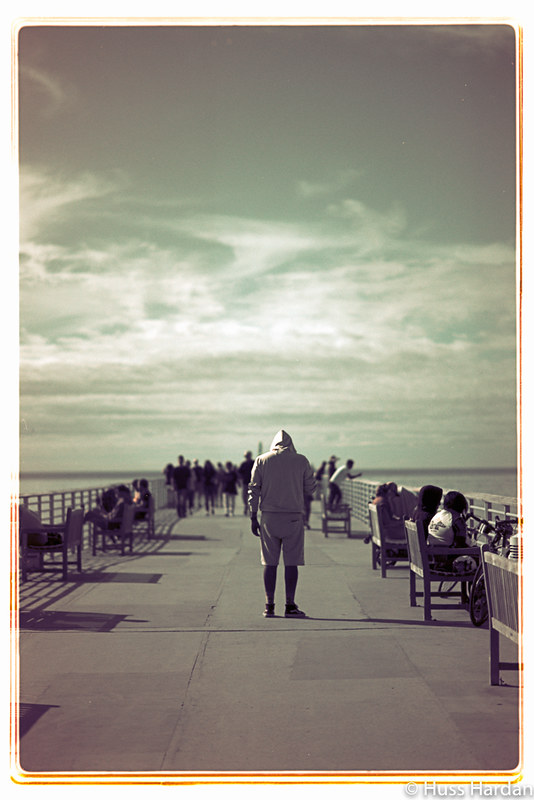
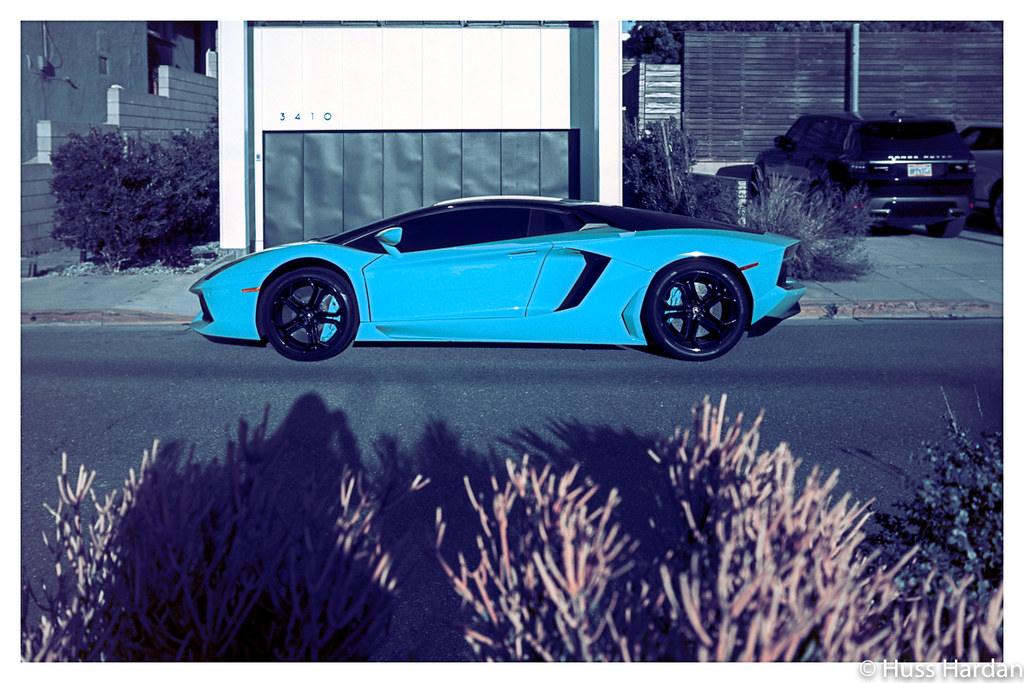
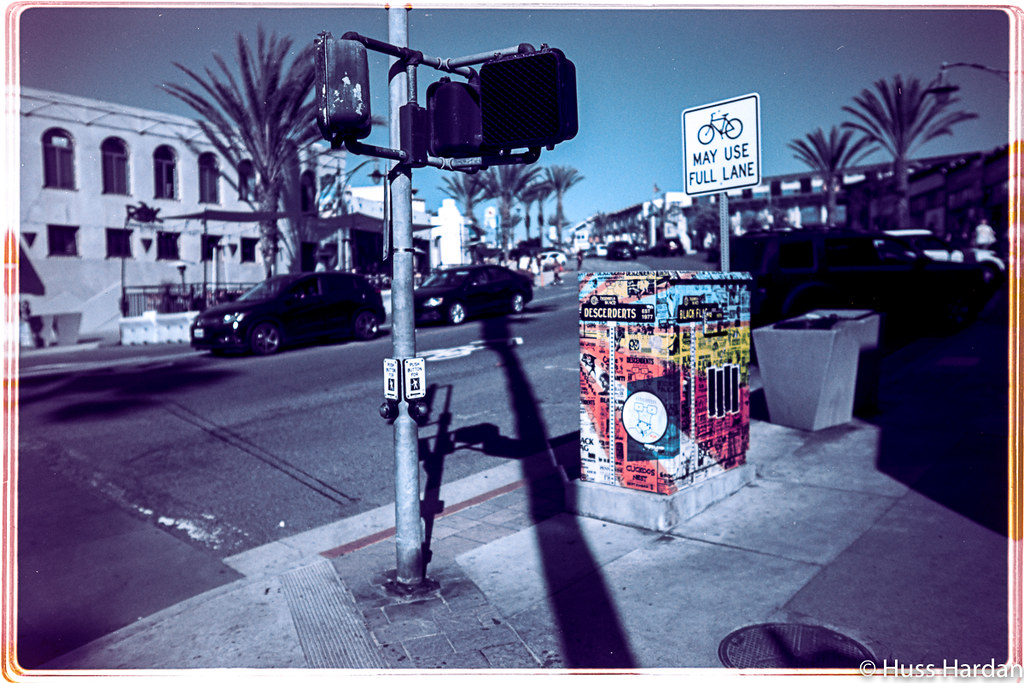
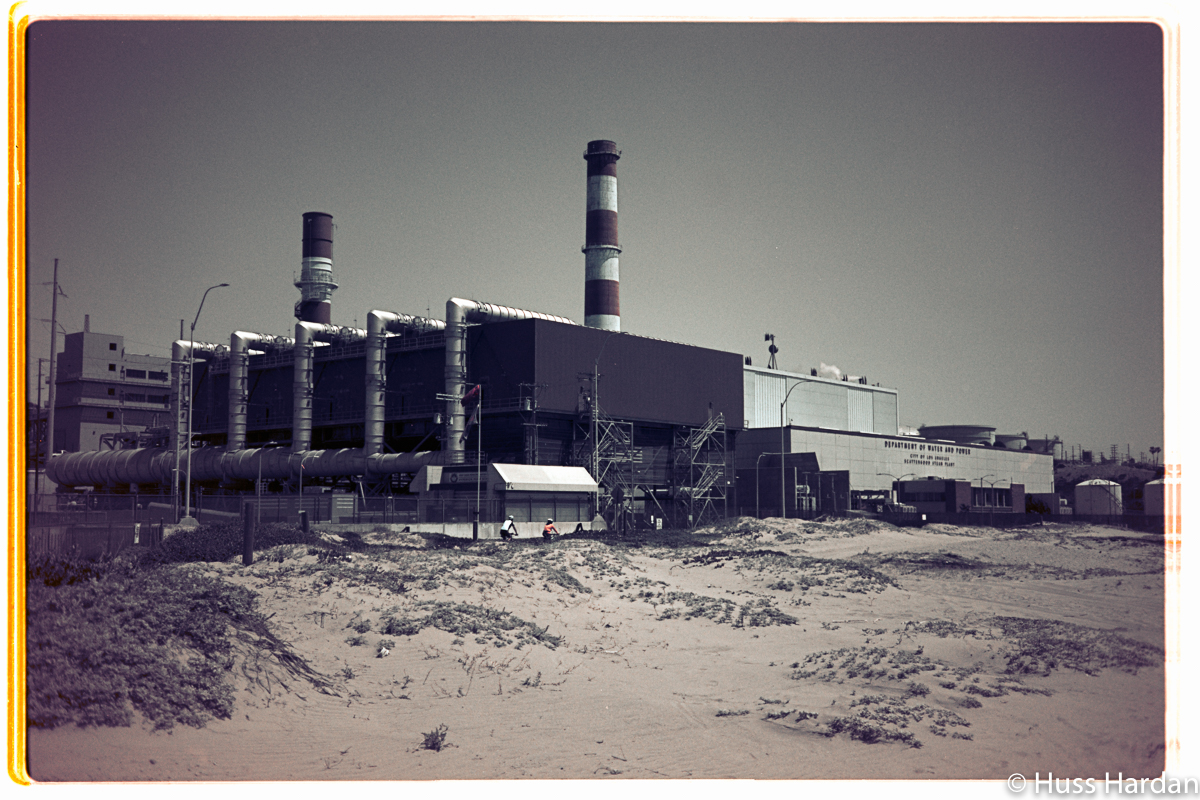
Nikon F6, 80 1.8G, FPP Blue Ultra ISO 3

With the right subject matter it gives a pleasant Grim Reaper vibe...

 
The thing with this film is it converts really well into black and white. So it has the bonus over 'regular' ultra slow films of also being able to shoot colour (albeit wacky colour!) and B&W.
 
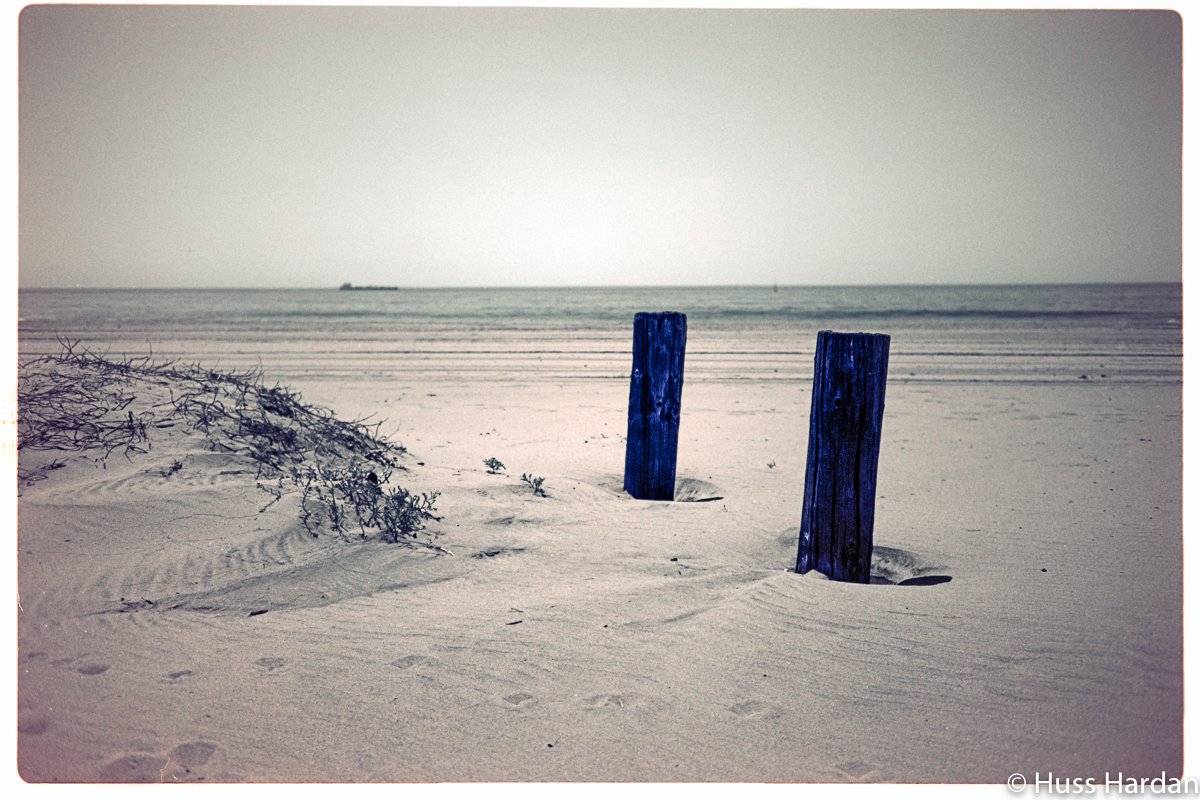
M7 w CV 40 2.8 and FPP Blue Ultra ISO 3 film.

I'm gonna put good money down that I'm the first person to use the CV 40 2.8 w ISO 3 film! (maybe a nickel)

Shot at 2.8 and 1/125 blazing beach sunshine.

Shout out to Leica! How many other film cameras can be set down to ISO 0? (ISO 6, then it lets you give two more stops with exposure compensation set)

 
While not a direct comparison, here's a similar film from FPP (Kodak 2254, ISO 1.6) processed in C-41. Color temperature tends to shift with exposure (becoming warmer the more exposure is given) and the blue/green curves are janky when used in daylight.

It's a witheringly sharp film, as one might expect, and good colors for pictorial use are achievable even though they can be a bit off-kilter. Who needs an ND filter anyway? :tongue:

Epsonscan auto-corrected and cooled color temperature, respectively.

View attachment 296268

Edit: Also, this stock does have an integral mask, but appears more red than orange to the eye.

Thanks for the tip! Ordered some. Because, ya know, ISO 3 was too speedy!
 
First roll of Kodak 2254 loaded. FYI the Leica R9 and R7 can meter in auto exposure down to at least ISO 1.6. Pretty sweet.

Bright sunshine w ISO 1.6 film is 1/250 @ 1.4. Easy peasy to use.
 
That reminds me I have a 100' roll......must try and use it sometime.
Was going to use it with the Horizon camera on slow speed.

Has any one tried a warming filter with it?
 
I've been experimenting with the 2383 in 16mm and been getting very... experimental results.

As an ECP-2 film, it responds poorly to the CD-3 component in ECN-2 and E-6 color developers. An E-6 reversal attempt resulted in zero positive image or dye formation, confirmed by bleaching away the negative image to reveal a totally clear base. The remaining negative images were quite distinct, however, and I see why they offer it as an ISO 3 b&w negative stock in 16mm (and 35mm?). I have yet to attempt a true b&w reversal.

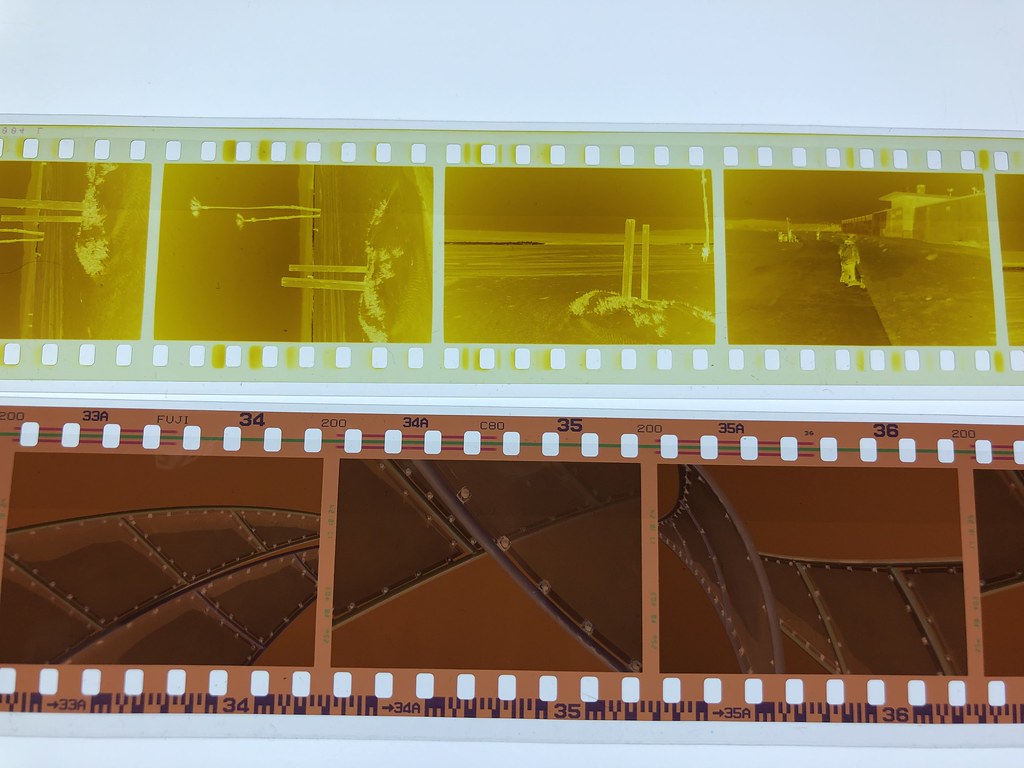
Shot in daylight and processed as color negative in C-41 yields wildly yellow negatives from the huge amount of extra blue light, precisely like the frames from Huss in post #39. Heavy filtering for daylight use is a possibility with probable impact on speed, but so far I prefer using it under controlled, artificial light (e.g. LED lamps).

At some point I'd like to try it as intended: an ECP-2 print film in conjunction with another negative stock, like 2254 or others perhaps already daylight balanced. The means to strike many positives from color negatives onto film, not paper, sounds like fun. I've only got the print film (2383) in 16mm and FPP doesn't offer it in bulk 35mm but is enough to get started.
 
I did a color test of 3383 in daylight, filtered through a pack of Yellow 8, 85B, and a piece of cleared c-41 film base and developed C-41. The results are what you'd expect shooting hand-held bulb exposure macro on a windy day, but a direct reversal of the negatives yields close to lifelike color, maybe even a touch too warm. Film speed didn't seem to be impacted by filtering as much as I thought it would, but confirming that would take something a bit more scientific.

pos.jpg

3383_c41_y8_85b_c41base.jpg

Edit: and a more carefully adjusted single frame from above. The yellow 8 filter definitely isn't needed. The amount of warming for more accurate color rendering is probably somewhere between a regular 85 and the 85b+C-41 base combo depending on cloud cover / season / daylight color temperature.

_3383_sf.jpg


Most folks would probably be better off with Vision3 and an ND filter but maybe developing in CD-2 will boost it's appeal as a slide.

Next I'll try contact printing c-41 & ecn-2 negatives directly onto the 3383 and process in C-41. The film base plus an incandescent light source seems just about the right color temperature. So far, I'm convinced that the only way to get a fully analog positive image out of this stock is to start with a negative, as designed.
 
Last edited:
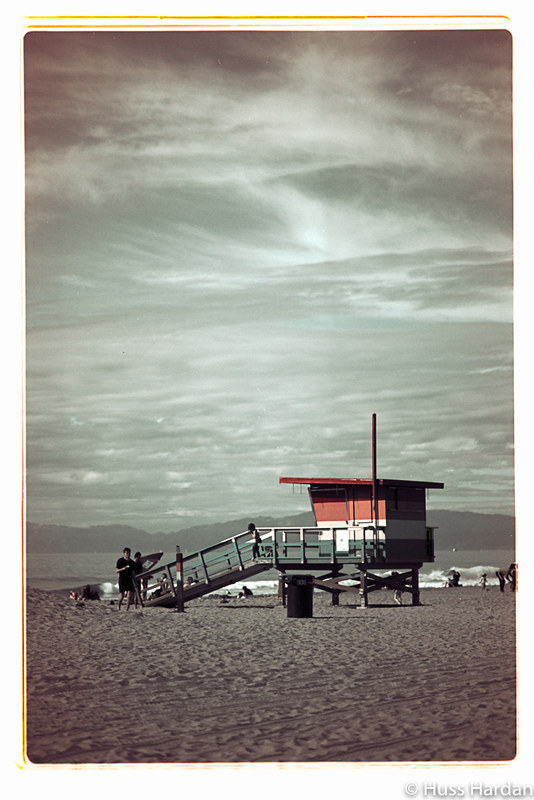
And here it is "colour corrected" i.e. how I will be using this film. Nice to have this crazy low ISO option in colour.


How do you explain the color vignetting at the edges? Is this the combination of a tint gradient with a wide-angle lens, or something else? It almost looks like something taken through a colored dichroic filter.
 
How do you explain the color vignetting at the edges? Is this the combination of a tint gradient with a wide-angle lens, or something else? It almost looks like something taken through a colored dichroic filter.

It looks like usual type of vignette you'd see when shooting at a lens's widest aperture, particularly in those conditions. The effect is pretty evident from the image of the negatives in post #39 and manifests as a shift in density (and thus color) in the final image.

Edit: Another trial of 3383, this time through a 35mm SLR with a Yellow 8 and 85B filter. I would have preferred 85B + c-41 base filtration, but couldn't be bothered to dig out some 120 scrap for use over the 52mm filters. I rated as ISO 12 on the TTL meter and let the camera compensate for the filters. Exposures were all taken at f1.2 1/15s or 1/30s under cloudy sky. This was also my first time using an ECP-2 color developer (SD-50).

3383_ecp2-y885b.jpg


Too much green in the positives this time around maybe due to filtering, the developer, or both. Somewhat salvageable though, with a higher contrast and more slide film-like qualities than when used with ecn-2 or c-41 processing.

3883_ungreen.jpg


An excellent inexpensive film for experimentation in B&W or color, stills or motion is 2383/3383.

I may forgo contact printing for the time being as I think it will be easier and more reliable to re-photograph some negatives using the 16mm-film-in-a-35mm-SLR technique.
 
Last edited:
How do you explain the color vignetting at the edges? Is this the combination of a tint gradient with a wide-angle lens, or something else? It almost looks like something taken through a colored dichroic filter.

As Bronson mentioned immediately after, all these shots were taken wide open as it is ISO 3 film. Almost every lens vignettes at max aperture. Then take into account time of day for angle of light etc.

I just shot a roll of the ISO 1.6 film, and realized I had messed up maybe the first 8 shots as I had incorrectly set my exp compensation! Rookie mistake!
 
So I was checking which camera has the greatest metering capability for shooting super low ISO film.

My R9 goes down to ISO 6, then you can dial in +3.

My Nikon F6 also goes down to ISO 6, but then you can dial in +5!
 
So I was checking which camera has the greatest metering capability for shooting super low ISO film.

My R9 goes down to ISO 6, then you can dial in +3.

My Nikon F6 also goes down to ISO 6, but then you can dial in +5!

Reminds me of a long ago (circa 1977) experiment where my teenaged self got a roll of copying Ektachrome (ISO 1 I think) and shot it outdoors at a train museum--just to see what would happen. As I recall, I got a few shots of historic locomotives that were indeed pretty sharp with essentially nonexistent grain, but there were some wacky tint gradients including bizarre reddish shadows. The film was intended for copying slide film at 1 second exposure time with an incandescent backlight and reciprocity-compensated for exactly those circumstances. Shorter exposures made it go strange.
 
The film was intended for copying slide film at 1 second exposure time with an incandescent backlight and reciprocity-compensated for exactly those circumstances. Shorter exposures made it go strange.

The FPP Blue ultra (2383/3383 print stock) has a similar application and temperature balance, although the data sheet for this film mentions suitable exposure times of 1/20-1/2000s.

What you're describing sounds like a low-speed positive -> positive reversal film, Kodak EDUPE perhaps? The print film is designed to produce a positive in a single color development step if photographing a negative, ala RA-4.

Great stuff for 'off-label' photography and very affordable in 16mm.
 
Photrio.com contains affiliate links to products. We may receive a commission for purchases made through these links.
To read our full affiliate disclosure statement please click Here.

PHOTRIO PARTNERS EQUALLY FUNDING OUR COMMUNITY:


Ilford ADOX Freestyle Photographic Stearman Press Weldon Color Lab Blue Moon Camera & Machine
Top Bottom