• Welcome to Photrio!
    Registration is fast and free. Join today to unlock search, see fewer ads, and access all forum features.
    Click here to sign up

Who shoots 16mm or 110 cameras?

Recent Classifieds

Forum statistics

Threads
202,850
Messages
2,846,548
Members
101,568
Latest member
MrRom92
Recent bookmarks
1

Who shoots 16mm or 110 cameras?

  • I shoot 16mm subminiature cameras

    Votes: 11 33.3%
  • I shoot 110 cameras

    Votes: 28 84.8%
  • I respool 110 cartridges

    Votes: 6 18.2%

  • Total voters
    33
I use a slitter that cuts 35mm film into one strip for Minox and another for Minolta 16. For processing I use appropriate Nikor reels. I found plastic reels too fussy. Somehow, 110 never interested me. Other subminiature cameras in collector area so hard to find and expensive when available.
I almost always have a Minox or Minolta in my pocket.
What is the brand and model number of the slitter?
Don’t you run into problems with the different sprocket holes of 135 film?
 
Sorry, forgot to specify that I’d strongly prefer film from EU as the import taxes takes a lot of the fun out of it.

I understand. But if B&H carries it, we know (hopefully) it's a currently available film that other retailers should stock or be able to order.
 
The poll asks a question but doesn't include the answer "neither".
 
What is the brand and model number of the slitter?
Don’t you run into problems with the different sprocket holes of 135 film?
The areas with sprocket holes are waste. Two strips slit from remaining film. One 9.4mm for Minox, one 16mm for Minolta 16. Probably could be used for 110.
Had a house fire and all contents of office in storage. Slitters made by Jimmy Li in China. Check Photo.net for details.
 
Had a Minolta 16 way back in the 1970's. Can't remember the model, but had some excellent results in B&W and color (including slides), but (later regretted) passed it on to another Photo Club member.

In more recent years, I have tried Minox, but find it very fiddly (my fault, or perhaps my time and patience, not the system), so am seriously considering trying out 16mm once again....I have the developing reels, etc., (I also bought a ridiculously-expensive official Minox slitter when I thought I was going to get into the system, it seemed a good idea at the time. :redface: )
 
Last edited:
Had a Minolta 16 way back in the 1970's. Can't remember the model, but had some excellent results in B&W and color (including slides), but (later regretted) passed it on to another Photo Club member.

In more recent years, I have tried Minox, but find it very fiddly (my fault, or perhaps my time and patience, not the system), and am seriously considering trying out 16mm once again....I have the developing reels, etc., (Also bought a ridiculously-expensive official Minox slitter when I thought I was going to get into the system, it seemed a good idea the the time. :redface: )

Just as a FYI:

Minox format = 8x11mm = kodak disc format
110 format = 13 x 17 mm
Minolta-16 = 12x17mm on later models
half frame 35 = 18×24 mm

Minox format is significantly smaller than minolta-16 format!
 
The poll asks a question but doesn't include the answer "neither".

I'd like the "half 35" option to be added... 35mm is "miniature format", so half 35 is by definition "SUBminiature"!
 
Hmmm, I never updated.

This summer I ran a bunch of 16mm film. 110, Minolta and a Kiev30.


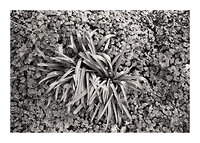
Minolta 16II Kodak Micro film @ ISO 25-50 1:150 HC110 I think
nWUnbZ0.jpg


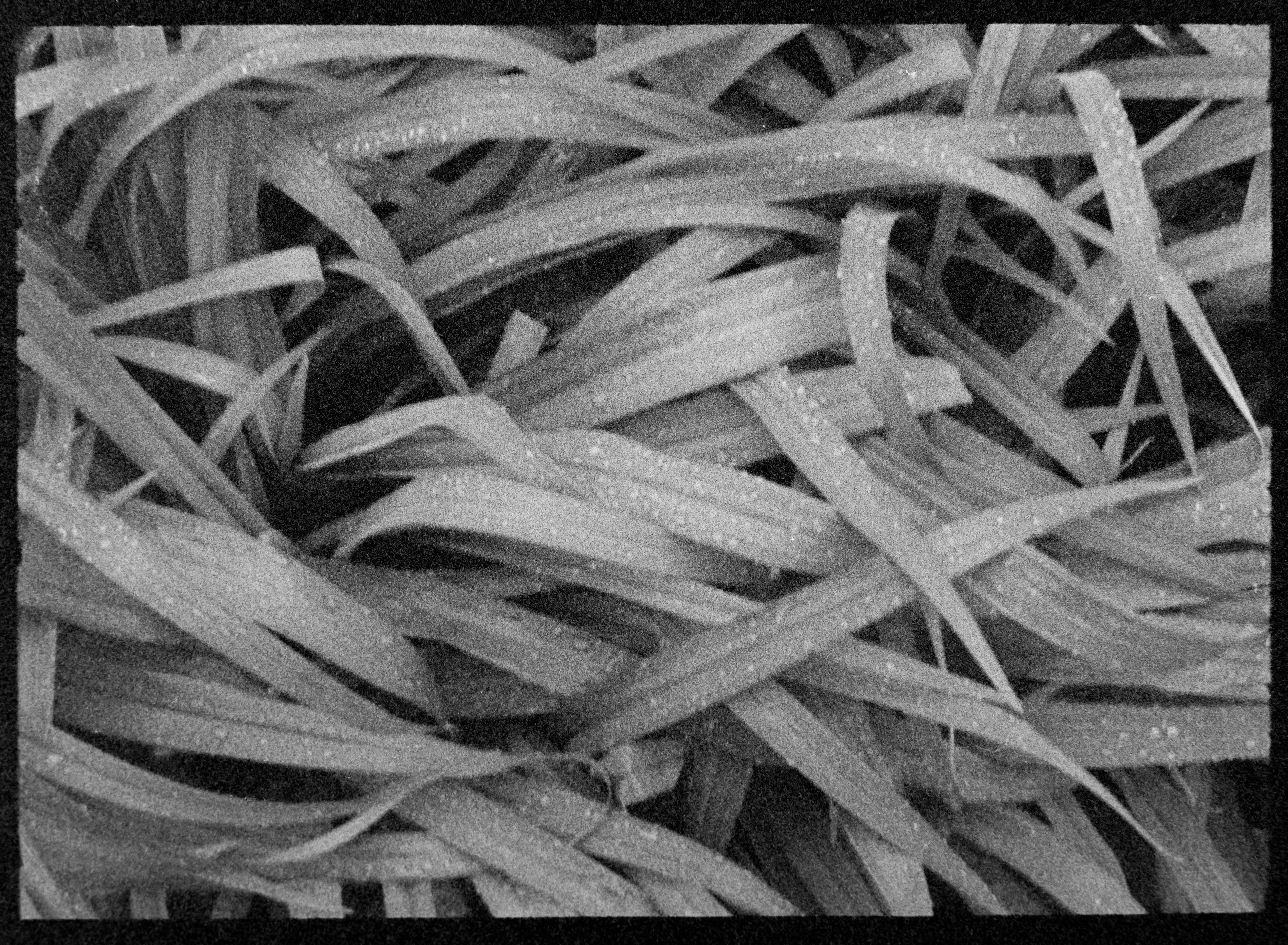
Some very old Tri-X
HhaSomc.jpg


HP5+
U3VlWEO.jpg


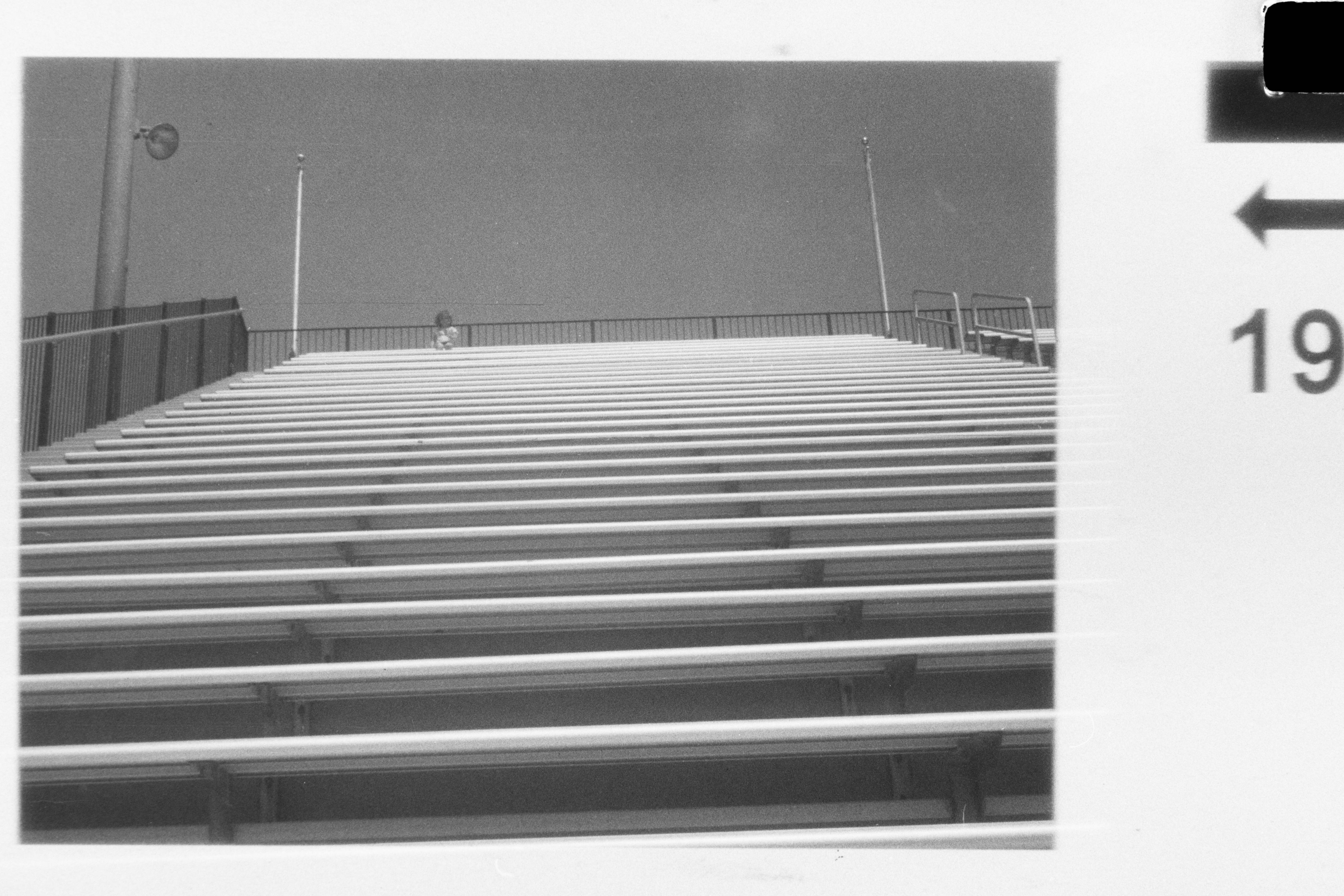
Kodak Instamatic 60 and Fukkatsu 110 (I think)
Vq6yVwl.jpg


Instamatic 60 Microfilm, Rodinal 1:150 2 hours stand maybe?
4mCMEYY.jpg


Kodak has a nice lens but is a pain to use sometimes. Can't focus that rangefinder dot...
 
Just as a FYI:

Minox format = 8x11mm = kodak disc format
110 format = 13 x 17 mm
Minolta-16 = 12x17mm on later models
half frame 35 = 18×24 mm

Minox format is significantly smaller than minolta-16 format!

Speaking from long experience with both Minox and Minolta16 various models, the lens found in Minox does not seem to produce pictures that are inferior to Minolta, although I enjoy using both kinds of cameras. If there is any advantage, it lies in the fact that a picture taken is infinitely superior to one not taken. A Minox can be carried unnoticed in a pants pocket; a Minolta is somewhat larger, and not so convenient. The Minox lens is obviously superior to a Kodak disk camera.
The problem with the Minox slitter is that blades are no longer available.
 
The areas with sprocket holes are waste. Two strips slit from remaining film. One 9.4mm for Minox, one 16mm for Minolta 16. Probably could be used for 110.
Had a house fire and all contents of office in storage. Slitters made by Jimmy Li in China. Check Photo.net for details.
Well, I really need at least one side of sprocket holes as my MEC 16 uses a claw to pull the film.
I guess I’ll either have to concoct a stamp out tool or “just” find real 16 mm film.
I’d really like to find something more fine grained than Tri-X though.
 
These were taken with the Pentax auto 110. I've still been tinkering on and off. On some of my initial pics I was a bit disappointed in my focus and the sharpness of the image. Maybe my vision isn't great. I was happier with the sharpness of these among others that I took recently. For 110, I am satisfied.
Just put some Kenmore 400 in the Minolta 16 II and looking forward to seeing what I can do with that. I was able to buy a kit that included the diopters so hopefully they'll help me get sharper infinity and close focus.
 

Attachments

  • img075.jpg
    img075.jpg
    1.2 MB · Views: 120
  • img066.jpg
    img066.jpg
    753.8 KB · Views: 134
The Minox lens is obviously superior to a Kodak disk camera.
Not to start a flame war, but, what makes you say this? Do you think that a spherical lens designed in the late 50s can be obviously better... to a computer-designed aspheric lens made in the early 80s? Kodak boasted the resolution of the kodak disc lens (can't remember the exact figures).

You can see some examples of properly scanned disc film and it certainly resolves to the full capabilities of the film:

https://photojottings.com/kodak-disc-film-better-than-you-think-or-worse/

Now, the comparison to Minox is, in my opinion, not fair at all, since the only Kodak Disc film available was color negative film, which is always going to be less resolving and less sharp than black and white film, which is what Minox users often use... (emphasis). I bet that a theoretical B/W "acros 100" disc film, with the increased film base thickness (good), on a top of the line Kodak Disc camera would fare pretty well (equal or better) compared to the same film on a good Minox camera.

If there is any advantage, it lies in the fact that a picture taken is infinitely superior to one not taken.

Fully agree.
 
Not to start a flame war, but, what makes you say this? Do you think that a spherical lens designed in the late 50s can be obviously better... to a computer-designed aspheric lens made in the early 80s? Kodak boasted the resolution of the kodak disc lens (can't remember the exact figures).

You can see some examples of properly scanned disc film and it certainly resolves to the full capabilities of the film:

https://photojottings.com/kodak-disc-film-better-than-you-think-or-worse/

Now, the comparison to Minox is, in my opinion, not fair at all, since the only Kodak Disc film available was color negative film, which is always going to be less resolving and less sharp than black and white film, which is what Minox users often use... (emphasis). I bet that a theoretical B/W "acros 100" disc film, with the increased film base thickness (good), on a top of the line Kodak Disc camera would fare pretty well (equal or better) compared to the same film on a good Minox camera.


Fully agree.

I was comparing various cameras that take 16mm film, since that was the topic of discussion. Also, the Minox lens of the 1950s is not the same lens as in the LX. For the most part I shoot BW film in my Minox and Minolta cameras: color negative occasionally,but send that out to a lab for processing: attempted color reversal s couple of times but felt not worth the bother for my purposes.A number of rather compact 35mm cameras are more practical for color reversal. As for the Tessina, which takes 35mm, judging by what is available on the used market, mechanically the nylon gears don't seem to hold up very well. Never had a Minox or Minolta die on me in the field (unlike the 35mm Minox's which only seem to die at the decisive moment!).
As for "theoretical" films for Kodak disk cameras, that may be so, but "theoretical" doesn't produce pictures, and I doubt that anyone is going to produce a quality BW film for disk cameras nowadays. However, your comments on the disk camera lens are very interesting and informative. That's what I like about APUG contributors.
The nice thing about Minox and Minolta is that cassettes are easily available and cheap. Also, some subminature cameras may take subminature film but in themselves can be quite bulky and not so pocketable. I just like the way a Minox slips comfortably into a pocket.
While subminature cameras have their place and I have one with me all the time, they are not a substitute for 35mm and up. Not toys, but not view cameras either.
 
I've got more cassettes than cameras, at present, and only three 16mm cameras I'd expect anything from (Kiev 30, Kiev 303, and Minolta 16QT), all with 13x17 or 13x18 frame. A quarter frame with slow film can produce some pretty good images. My others (16, 16II, MG) are the early small frame and no focus, the MGs has focus but the small frame, barely larger than half the late one.

Still, it's cool that there'll be new cassettes available. The last ones I saw that didn't come in a camera were resin cast, barely ahead of junk, and prone to light leaks and film scratching.
 
Photrio.com contains affiliate links to products. We may receive a commission for purchases made through these links.
To read our full affiliate disclosure statement please click Here.

PHOTRIO PARTNERS EQUALLY FUNDING OUR COMMUNITY:


Ilford ADOX Freestyle Photographic Stearman Press Weldon Color Lab Blue Moon Camera & Machine
Top Bottom