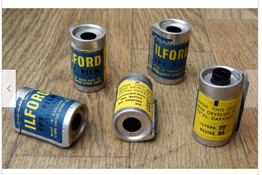
For me the biggest challenge is that "manufacturer-dedicated- brass cassettes" work the best when are using all the time the same camera or cameras that accept them. Problem is when you using a few differed makes and models.
I recently start playing with IIIF and regular cassettes. Now I would like to try it with FILCA type and also with Contax III and it's own cassettes. For some reason Nikon AM-1 for F2 are super rare.
One of the benefits of using camera/brass cassettes is, if you have bulk and "normal" rolls of film, you can always continue shooting with that/those cassette(s), with the correct brass case.
It is also possible to divide normal rolls, 36ct, 24ct lengths of film into them, for example, a 36ct roll, with two pre-positioned spare back ends, two cut spare lengths of tongues and some Scotch Tape, etc, to reload only the films unexposed lengths, with these already exposed tongues and backs into three different cassettes.
You'll already have one each tail and tongue from the original normal roll, so you'll be able to get a few extra frames from it by using used fronts and backs.
A pair or so, of smooth finished wood or cardstock, free of dust can serve as blacked out darkroom measures for hand division of normal cassette rolls and other smaller count preloaded rolls.
Also, unless you'll be despooling the bulk film rolls by hand, the counter of a loader will make it easier to find the correct count of good frames.
If you only shoot small amounts of film at a time, this might just be the most economical way to proceed, leaving your bulk and normal fims in the cold until time to reload fresh.
IMO.