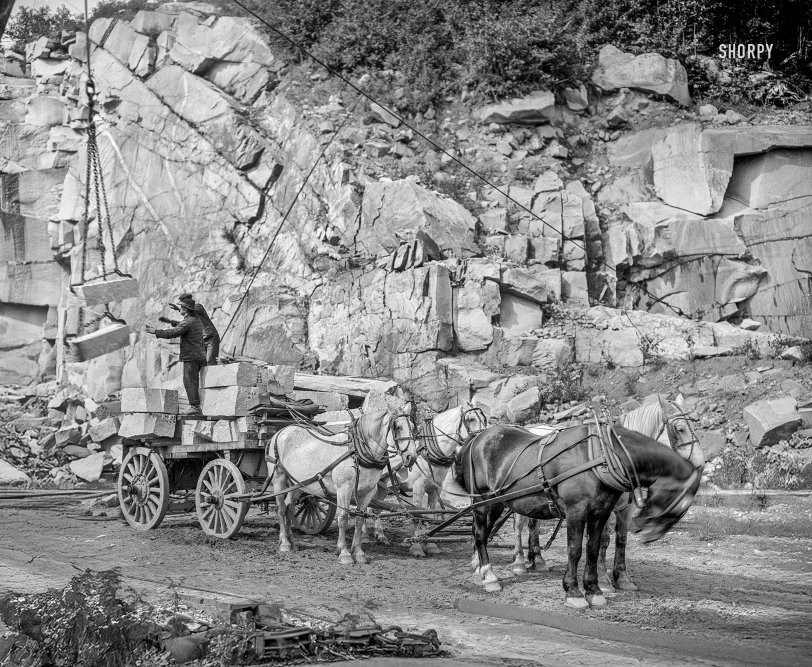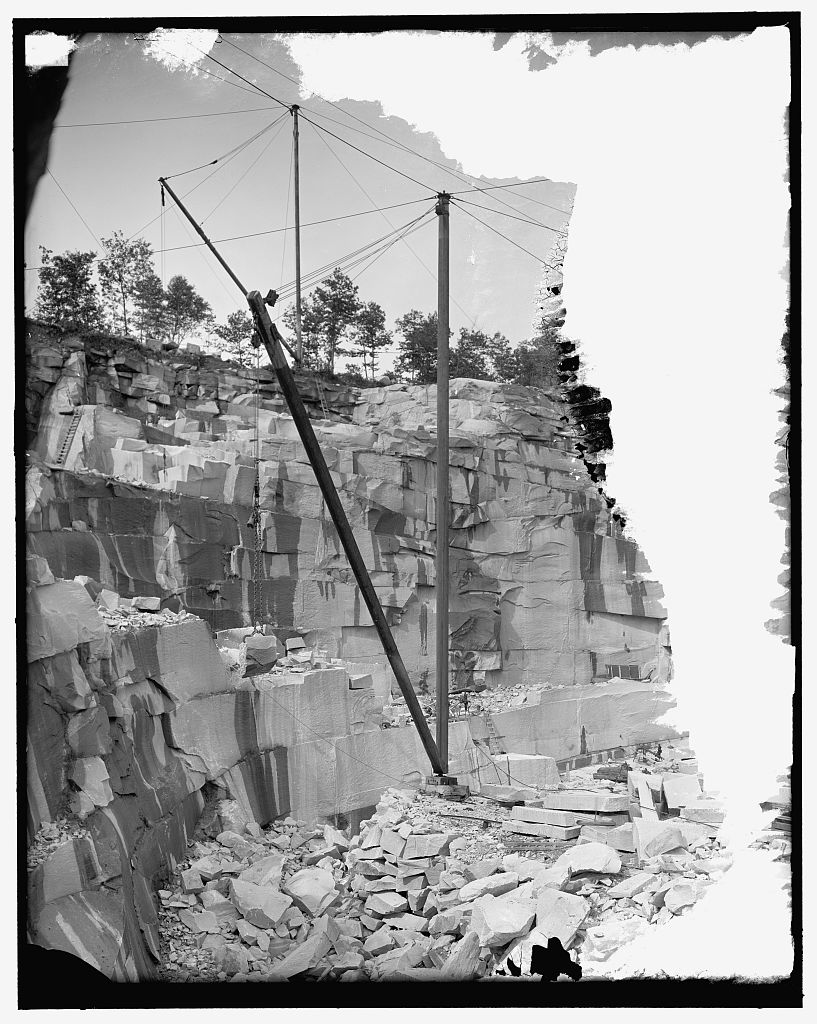

This was done around 1900 and is a dry plate. I've seen a lot of glass plates files with similar emulsion loss like this.
What was the cause?
Thanks
Photo: L.O.C.
What was the cause?
Thanks
Photo: L.O.C.
Gelatin has a great affinity to glass, in fact. It bonds quite well.
assuming this is a transmission scan
If it's not a negative, it's a reflective scan (from tintype etc.) or already a print. Reversal positives weren't really a major thing in the glass plate era.
A photo of the plate as it appears to the naked eye would clarify many things.
Right, good point; looks like you're on to something:The OP might not have access to the actual plate, though -- this might be an image from an online archive.
Ah, great - got it: https://www.loc.gov/item/2016795520/And with the Library of Congress notation, the image likely was online.
| Photrio.com contains affiliate links to products. We may receive a commission for purchases made through these links. To read our full affiliate disclosure statement please click Here. |
PHOTRIO PARTNERS EQUALLY FUNDING OUR COMMUNITY: ![]() |