

• Welcome to Photrio!
    Registration is fast and free. Join today to unlock search, see fewer ads, and access all forum features.
    Click here to sign up

What caused emulsion loss on this glass plate?

Procession

A
Procession

  • 1
  • 0
  • 35
Millers Lane

A
Millers Lane

  • 4
  • 2
  • 64

Forum statistics

Threads
202,899
Messages
2,847,216
Members
101,531
Latest member
F2_User
Recent bookmarks
2

DDTJRAC

Member
Allowing Ads
Joined
Oct 15, 2017
Messages
1,026
Location
L.A. - NYC - Rustbelt
Format
Multi Format
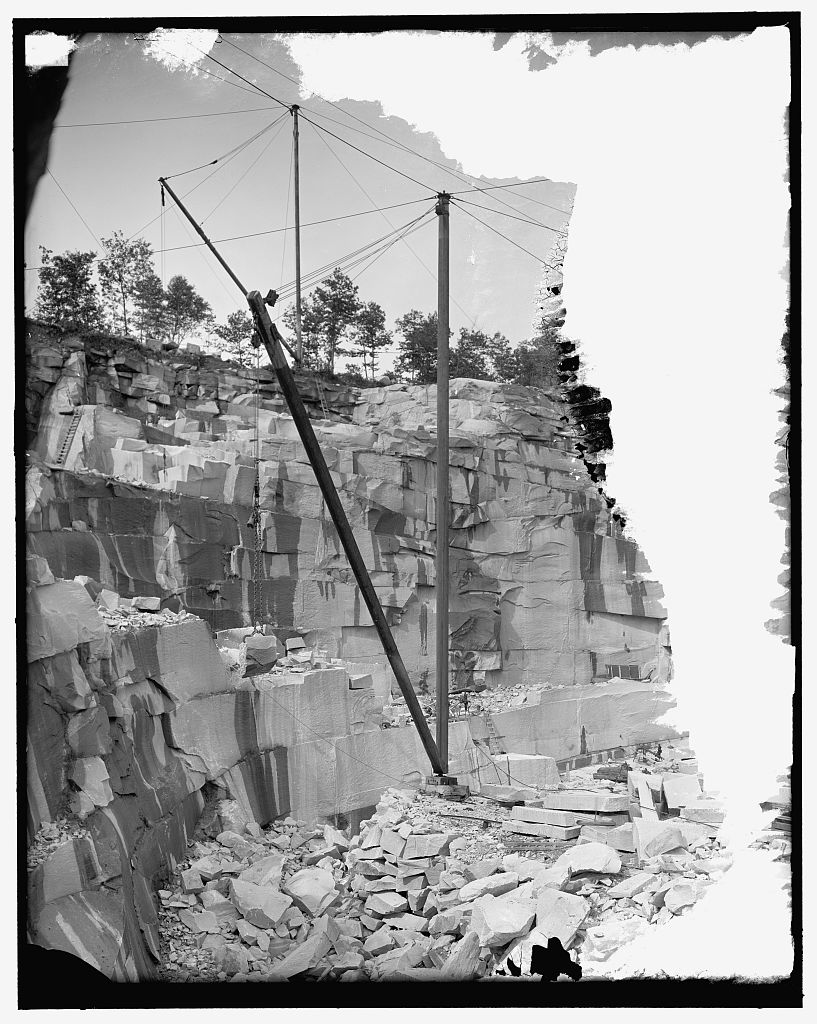
This was done around 1900 and is a dry plate. I've seen a lot of glass plates files with similar emulsion loss like this.

What was the cause?

Thanks


Screenshot 05-16-2025 14.02.58.jpg


Photo: L.O.C.
 
Are there any other photos of this plate that show how it looks to the naked eye?
The reason I'm asking is that emulsion loss would result in no optical density (apart from the density of the glass itself), and that would render as solid black on an inverted negative. This shows up as pure white, which isn't consistent with emulsion loss as such.
 
Well it is glass, after all. Not a lot of "tooth" to glass. About like coating teflon with emulsion, or most anytihng else.
 
I have some slides that have been munched on be teeny-tiny little creatures and it looks a little similar to this, but who knows for sure. The slides were accidentally lost in a box stored on the floor of my parents garage for years. It was a sad find since most were from my tour in Vietnam way back in 1969. I didn't find the slides until after my father's passing in 1989 when I was cleaning the garage for my mother. I always figured the little creatures were going after the gelatin in the emulsion, but like I said, what do I know.
 
Gelatin has a great affinity to glass, in fact. It bonds quite well.

Worth noting in this context that some varieties of textured glass receive their texture by having chips pulled off with hydraulics and gelatin glue. In any case, I agree with the comment above, what we're seeing isn't emulsion loss, it's Dmax (assuming this is a transmission scan). If it's a reflective scan it might be something like dichroic fog.

It could also be due to paper stuck on the emulsion after long storage in an envelope or folder with slight dampness -- and the conservators elected not to risk further damage by trying to soak the paper off the gelatin.
 
If it's not a negative, it's a reflective scan (from tintype etc.) or already a print. Reversal positives weren't really a major thing in the glass plate era.
 
If it's not a negative, it's a reflective scan (from tintype etc.) or already a print. Reversal positives weren't really a major thing in the glass plate era.

I agree the likelihood is small, but it cannot be excluded at this point. Virtually always plates like these are negatives. It's conceivable someone contact printed one of these plates to another plate. I'm not aware of any examples, but they must exist, somewhere, surely.
In any case, this is part of the reason I asked the very first question in #2. A photo of the plate as it appears to the naked eye would clarify many things.
 
A photo of the plate as it appears to the naked eye would clarify many things.

The OP might not have access to the actual plate, though -- this might be an image from an online archive.
 
Magic lantern slide? EDIT: apparently not.

(And with the Library of Congress notation, the image likely was online. I seem to recall that if one digs through the LOC image page there is info about the nature of the media.)

EDIT:
 
Last edited:
The OP might not have access to the actual plate, though -- this might be an image from an online archive.
Right, good point; looks like you're on to something:
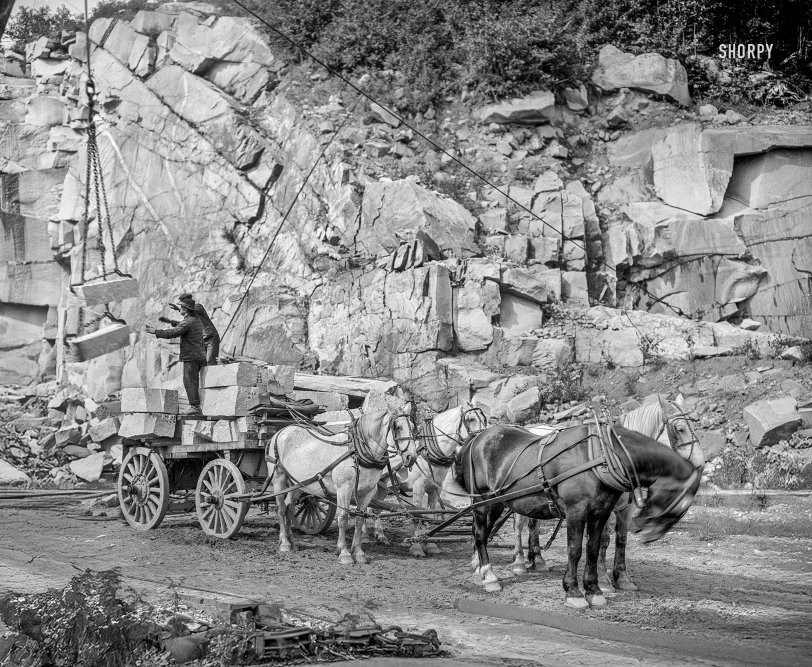
Note how here on Shorpy they apparently used AI to fill in some of the gaps remaining after cropping:

1747746001173.png


And with the Library of Congress notation, the image likely was online.
Ah, great - got it: https://www.loc.gov/item/2016795520/

It's described as an 8x10" dry plate glass negative.

I think the white areas are a fluke and they are the result of an arbitrary choice in the digitization process to render areas of the plate that have no density information as pure white. It may have been stored originally as a transparency area which didn't carry over to the web view.
 
The only way to be sure would be to ask the conservators. To my eye, it looks as much like paper (which would scan as Dmax) that got stuck to damp gelatin, and that's all they could get off without risking further damage to the plate, but your explanation would fit, too.
 
Photrio.com contains affiliate links to products. We may receive a commission for purchases made through these links.
To read our full affiliate disclosure statement please click Here.

PHOTRIO PARTNERS EQUALLY FUNDING OUR COMMUNITY:


Ilford ADOX Freestyle Photographic Stearman Press Weldon Color Lab Blue Moon Camera & Machine
Top Bottom