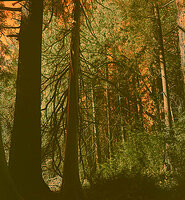
Don't speak too soon. The main difference between the West and the East is the pine beetle, which doesn't die during warmer winter's, hence massive dead pine forests and giant fires even in Alberta, Canada. If those beetles get to the East, everything might change. What are ordinarily quite wet areas of Oregon burned this year. There are all kinds of unquestionable symptoms of accelerated global warming, including 90% of the glaciers I once knew now completely gone. There have been giant fires in Siberia. People were just let back in what was once my living room view of the San Joaquin Canyon. What survived were areas that had already burnt in the last two or three decades. Fortunately, most of that country is uninhabited. But when you're talking about a thermocumulus cloud 50,000 ft high generating internal fire tornadoes that can uproot large trees and incinerate them mid-air, that's a function of very steep terrain and wind patterns. In that case, a 20 foot wide fire break won't help much; maybe a 20 mile break, maybe not. Smaller fire tornadoes up toward the ski resort took out brand new lakeside houses almost instantly. My former property did fine, although that whole area itself had to be evacuated for weeks. A tiny shift in the wind, and hell can be at your doorstep. Finally blue sky today, so me, all the kittens n cats, even the tree squirrels, are lounging in the back yard enjoying it.