John Salim,
Have you already developed the customer's film or should I keep going? I could try an hour (I have 2/3 of this roll left and 2 more in the freezer).
When I develop for an hour, I change the agitation pattern over the course of development. I agitate "Kodak" style for the first 10 minutes, then break the pattern to an agitation every minute for the next 30 minutes or so, then agitate less often, not quite stand but just don't need to agitate that often because by this point I'm not worried about uneven development.
It might be an hour, or two or three before you get a good negative in stock XTOL from something shot at EI 200 on Tech Pan.
Update:
Well I've spoken to the client again and was now told he'd exposed the film at 400 and not 100/200 !
So I processed a clip test for 20 minutes ( at 24 degrees C ) and inspected the film under IR.
There were images present - not very dense, so continued for another 5 minutes.
That test displayed a darkish base with poor images present, so decided to run the rest at the same spec.
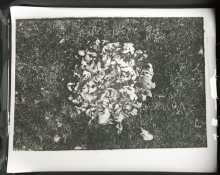
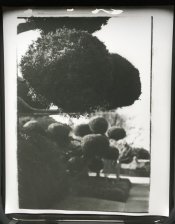
Final results showed the front end was darker and fogged ( ... this is additional from some light-piped fogging ), however a few inches further, the rest of the roll wasn't fogged and had very variable exposures. This was shot by an inexperienced amateur.
Incredibly, D-min is very low for a film that's been cooked, with plenty of density available ( as noticed from a totally fogged frame ).
Contrast is a little more difficult to comment on because of the relatively poor photography throughout - though I'd say it doesn't look unusually high or low.
For the record: XTOL developer ( stock solution ) replenished @ 80ml / unit and processed for 25 minutes at 24 degrees C using a Jobo CPE-2 at high speed.
Many thanks to you all for your input,
John S







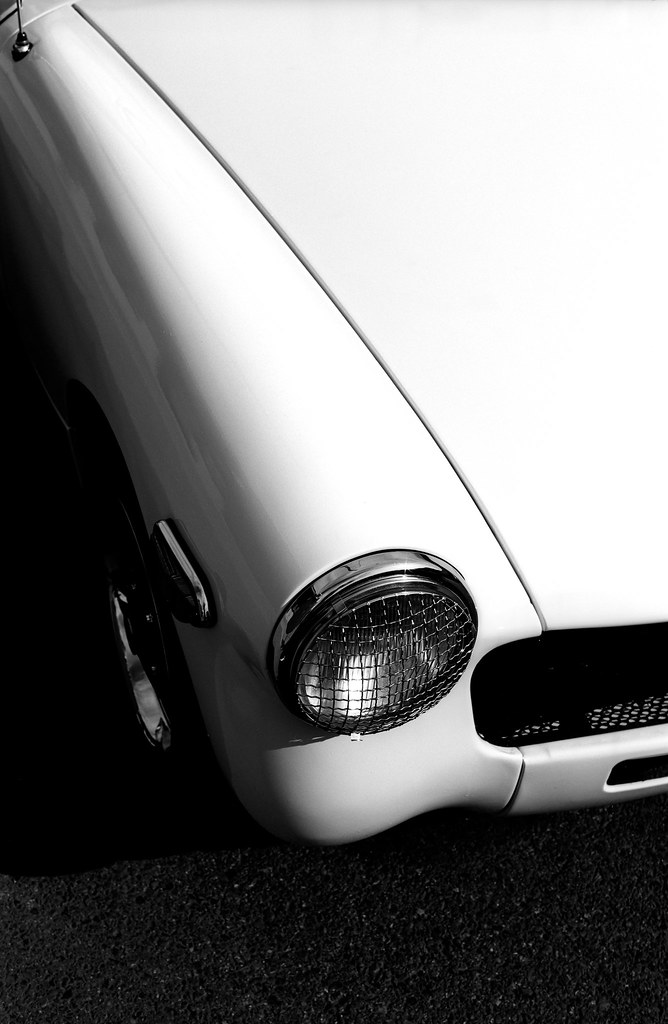 MG_Midget
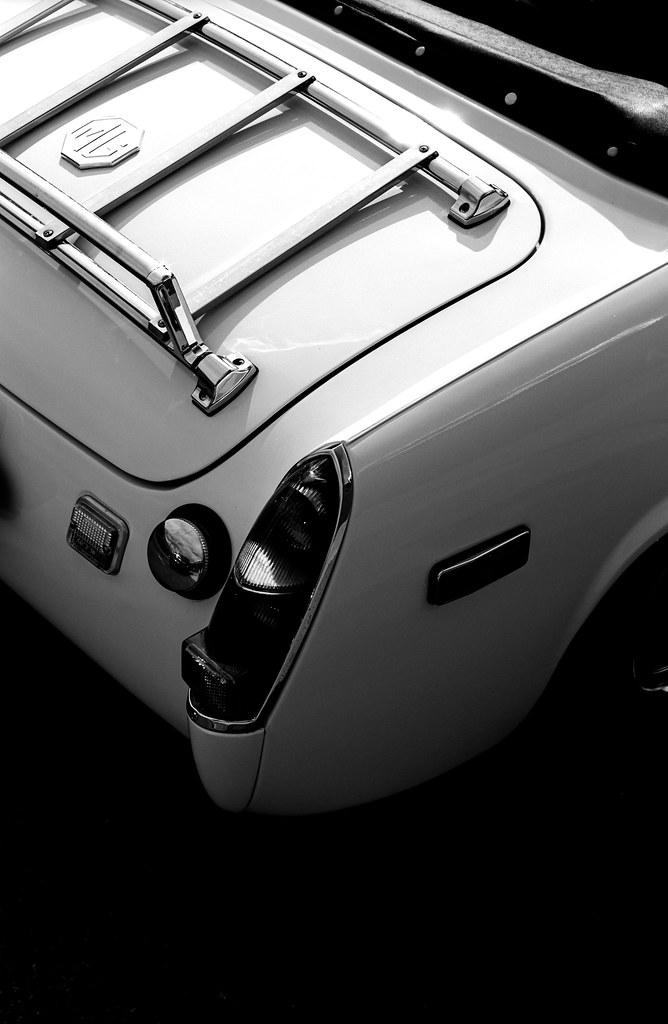 MG_Midget2
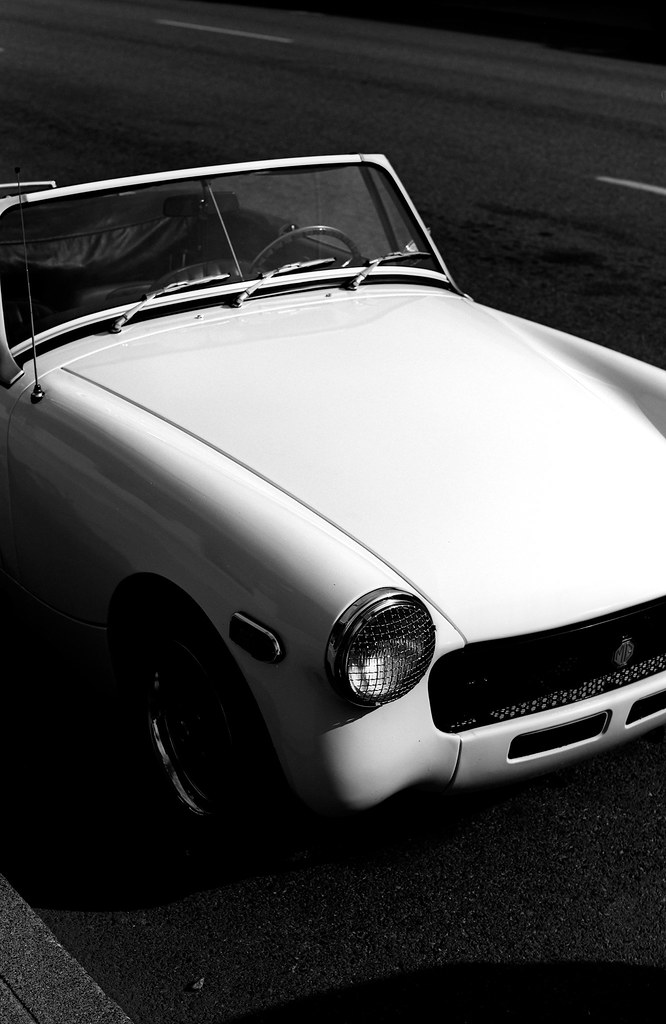 MG_Midget3


 .
.