
• Welcome to Photrio!
    Registration is fast and free. Join today to unlock search, see fewer ads, and access all forum features.
    Click here to sign up

Taking first steps in developing the film

Grill

H
Grill

  • 0
  • 0
  • 26
Cemetery Chapel

H
Cemetery Chapel

  • 2
  • 0
  • 53

Recent Classifieds

Forum statistics

Threads
202,775
Messages
2,845,391
Members
101,516
Latest member
DDX
Recent bookmarks
0
Again:
A friend took me with him into his bathroom and let me accompany him during processing a film. Obviously part of the process was not visible to me as he turned off the lights...
The next day I went into town and bought at a supermarket (yes, those were the times...) a 2-reel Jobo tank, a bottle of developer concentrate, a bag of fixer, a bottle of wetting-agent. And one brown storing bottle for the developer, and a measuring beaker and a funnel, for the fixer I used a water bottle (no good idea!). As thermometer I used a room thermometer where I put a mark at 20°C and took it out of its holder.
I had no book or such. Just what I experienced in that bathroom and the leaflets with the things I bought.

My films all came out fine.


This internet makes things look terrible complicated...
 
Too much agitation can increase contrast and have other undesired effects on the film. Same for too little agitation.

I usually follow the manufacturer's recommended agitation times and frequency, but here's a good video that shows the technique, and might answer some questions for you: http://crawfordphotoschool.com/film/index.php
Chris has a lot of good information on his site.
It's night time here and my mind is clouded, but I will check the resource tomorrow on clear head. I still need to finish clicking my sacrificial roll of Kentmere anyway so I have some time until Saturday.

Again:
A friend took me with him into his bathroom and let me accompany him during processing a film. Obviously part of the process was not visible to me as he turned off the lights...
The next day I went into town and bought at a supermarket (yes, those were the times...) a 2-reel Jobo tank, a bottle of developer concentrate, a bag of fixer, a bottle of wetting-agent. And one brown storing bottle for the developer, and a measuring beaker, forv the fixer I used a water bottle (no good idea!). As thermometer I used a room thermometer where I put a mark at 20°C and took it out of its holder.
I had no book or such. Just what I experienced in that bathroom and the leaflets with the things I bought.

My films all came out fine.


This internet makes things look terrible complicated...
I still pray for a day when all those above mentioned supplies will be freely available in Georgia.
I know it's not difficult, I just want to minimize the risks of doing something stupid so I won't have to waste too much film/chems on mistakes like "1+1=11".

Everything I do right now, I do because in the future I want to test and process Delta 3200 or P3200 on my own, since push-processing is not an option here and if I leave the film in a lab they'll just process it as ISO 800 or ISO 1000 film.
 
Developing tank, and be it something old from Lomo, beakers, bottles, a funnel, a thermometer should be no problem to get locally.

Developer-, Fixer- and wetting-agent-concentrate have to be ordered. But meanwhile we all have to order such as it no longer is available locally.
I do not see the problem of even importing such to Georgia. If so, please make us wiser.
 
Developing tank, and be it something old from Lomo, beakers, bottles, a funnel, a thermometer should be no problem to get locally.

Developer-, Fixer- and wetting-agent-concentrate have to be ordered. But meanwhile we all have to order such as it no longer is available locally.

I'm mainly referring to the chemicals, since I already have everything else. I even have an enlarger, tray, red light, dryer and everything else that is required for black and white printing, but I don't have a motivation to do it.
 
WHAT I learned the hard way was the danger of (some) developer concentrate.

Back then there was no warning of any kind, but still I worked very cautiously, mostly even in a sink. But one day I got a few droplets of developer concentrate on my bare upper hand. I could rinse them off within seconds. But I tell you, you would not want that to happen...
 
Good day

Looks like it is time for me to get my hands dirty. I have a proper ID-11 developer, but stop bath consists of white vinegar solution and fixer is also homemade with Theo Sulphate or Thiosulfate of Sodium. Before I start, I have some questions to minimize catastrophic failure:

1. Pre-soaking. What does this step involve? I just pour plain water into tank with film and agitate it? Or is there some magic ritual involved? And why do I even do that?

2. Stop bath. Do I need to agitate while doing this, or I just pour in, wait some time and pour out?

3.1. Fixer. Do I need to agitate it and if yes, then with what frequency?
3.2. Fixer. Is there some set time for fixing, or I just need to take the film out and see if the base is clear already?
3.3. Fixer. Does film speed have anything to do with fixing time, or it will be same for, let's say, ISO 100 and ISO 400 films?
3.4. Fixer. Do I filter the fixer solution for storage/re-use, or do I just pour it down the drain and use a new batch for every roll?

4. Rinsing. Do I rinse after each step (dev, stop, fix) ?

These are all very basic questions but answers vary from thread to threat, from article to article.

1. Do NOT presoak. It's completely unnecessary for black and white film development.
2. Yes, agitate gently while using stop bath.
3. Yes, agitate while fixing. I invert the first minute and then 20 seconds each additional minute.
3. Fix for twice the clearing time.
4. I typically get 20 rolls of film out of each batch of Ilford Rapid fixer. Fixing times go up as you continue to use the fixer. Fixer is very cheap so dump and make a new batch every 15-20 rolls (for Ilford Rapid Fixer; others may be different).
5. Washing starts after fixing.
 
I suppose I could ask my father to help me, but things were different in USSR, I think some things changed and some advanced a little.


So this one here actually works and I can go as low as 16 degrees (average temp of my stored water)?
True. You just extend the development for colder water, and shorten it for warmer water. It's a LOT easier than trying to maintain a temperature.
 
I'm mainly referring to the chemicals, since I already have everything else. I even have an enlarger, tray, red light, dryer and everything else that is required for black and white printing, but I don't have a motivation to do it.
Printing is the most enjoyable part of the process! Don't skip that. It's the end result of your picture taking-film-developing efforts.
 
Hello! I indeed must keep in mind that tapping thing. I don't want any bubbles, I've read enough posts about artifacts on developed film. It's alright if thiosulfate takes longer than rapid fixer, I have nowhere to hurry, can develop in the evening, after work and leave it for the night to dry. I bought 1 kilo of that powder with difficult name for around 2.5$ here, it'll make enough fixer to last for whole year, in several batches. Much more than I need since I shoot monochrome mostly in winter.

excellent
good luck with your development !
btw don't use the turny-thing to agitate your film
do the actual agitation rocking and turning it ...
that spinnything is useless.
 
don't use the turny-thing to agitate your film
do the actual agitation rocking and turning it ...
that spinnything is useless.

That tank he got is a "spinning" tank. It has no lid, thus cannot be inverted without running empty.
 
That is an interesting technique. But how do I control amount of agitation? I mean, too much agitation can wash the whole film, right?
Your agitation should cause the chemicals to slosh around inside the tank. With those tanks, you will know that you are agitating too much when the sloshing is so much that some sloshes out.
As long as you don't start creating foam agitating too much doesn't really damage the film, it just causes a bit of over-development. If there is a lot of foam, development will be uneven because of all the air mixed in.
If you move the tank through a small figure 8 twice in five seconds or so, you should achieve a satisfactory amount of slosh.
 
I have several tanks that can’t be inverted (old Kodak Kodacraft tanks). I just do a kind of tilting revolution. So I hold the tank by the bottom and move the top in a couple of revolutions (the tank doesn’t spin because I’m holding it but the top moves around in a gyre which gets the developer circulating), then I switch hands and hold the tank by the top and spin the bottom the same way. Then I bang the tank on the sink three times to dislodge any bubbles, set the tank down and wait 50 seconds to the top of the next minute, then repeat.
 
How long an unused solution of ID11 would last assuming it's air-tight and stored in the dark? Some say six months isn't a problem, others say 2 months are maximum.
 
How long an unused solution of ID11 would last assuming it's air-tight and stored in the dark? Some say six months isn't a problem, others say 2 months are maximum.
The product's datasheet is the first place to look for information like that. The manufacturer always gives conservative figures and in this case it is 6 months, assuming undiluted developer, stored in air tight containers. In practice, you can store it much longer than that, but it will be a bet when it actually becomes significantly less potent.
 
The product's datasheet is the first place to look for information like that. The manufacturer always gives conservative figures and in this case it is 6 months, assuming undiluted developer, stored in air tight containers. In practice, you can store it much longer than that, but it will be a bet when it actually becomes significantly less potent.
So in this case practical longevity is somewhat close to datasheet. Thank you. I have one liter solution, next time I'll consider a bigger one.
 
I checked today (Ilford Photo website) and could not find again those basic informations. As with other issues I consider their new site a mess.

Just found a link to their Learning Zone, but it is dead.
 
Interesting. I did not look under Community , but under FAQ and there the respective link is dead.
 
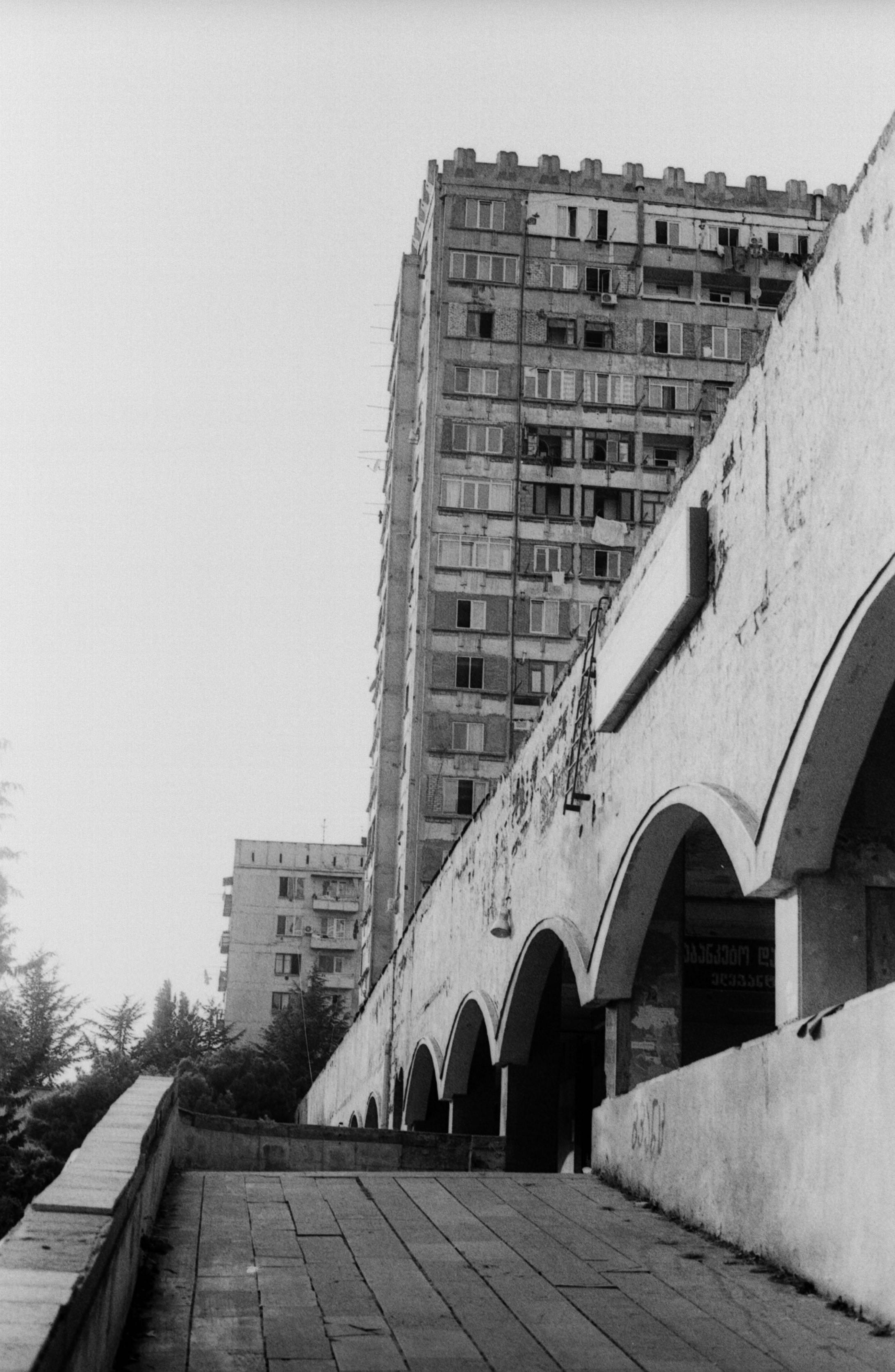
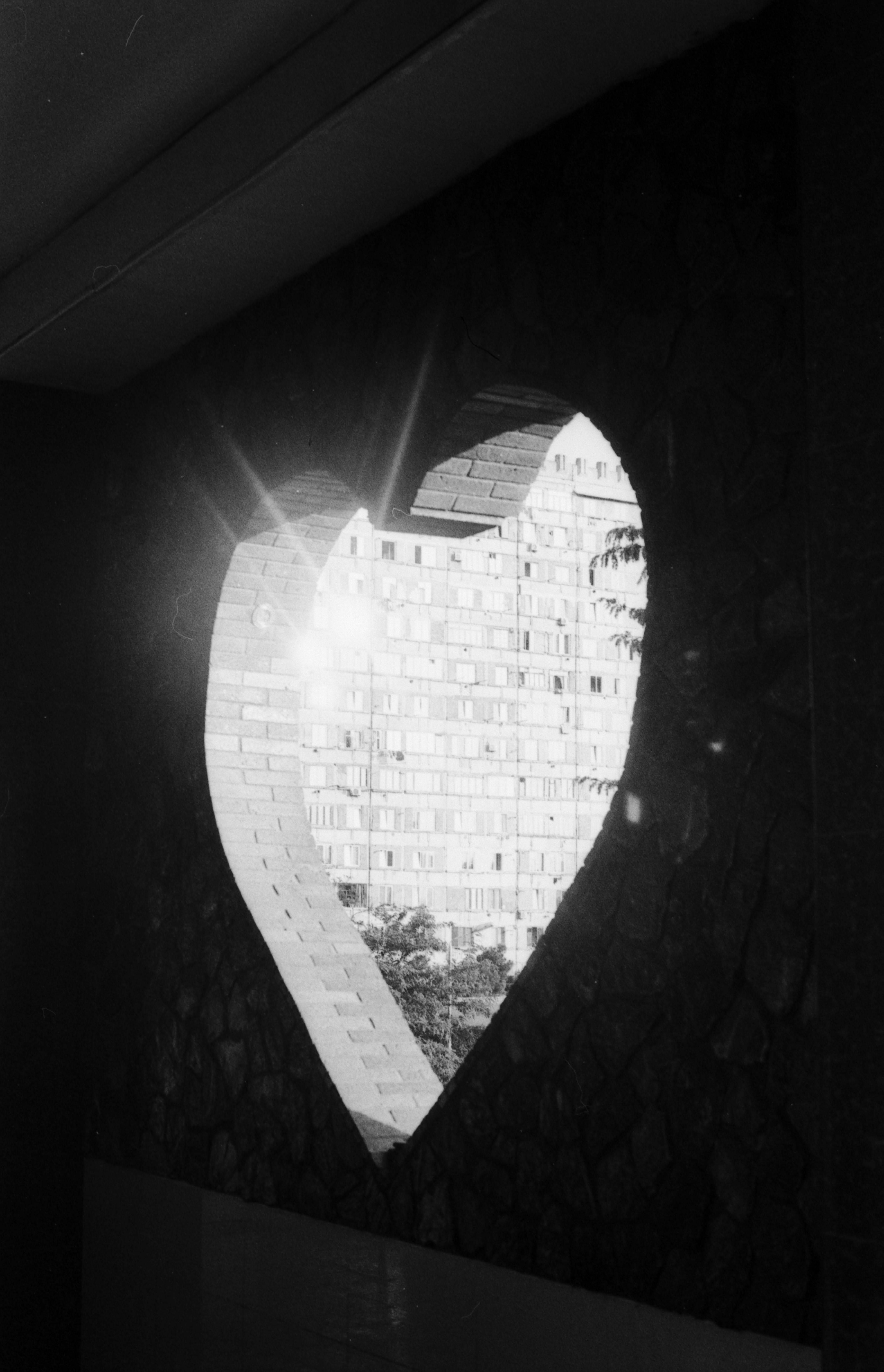
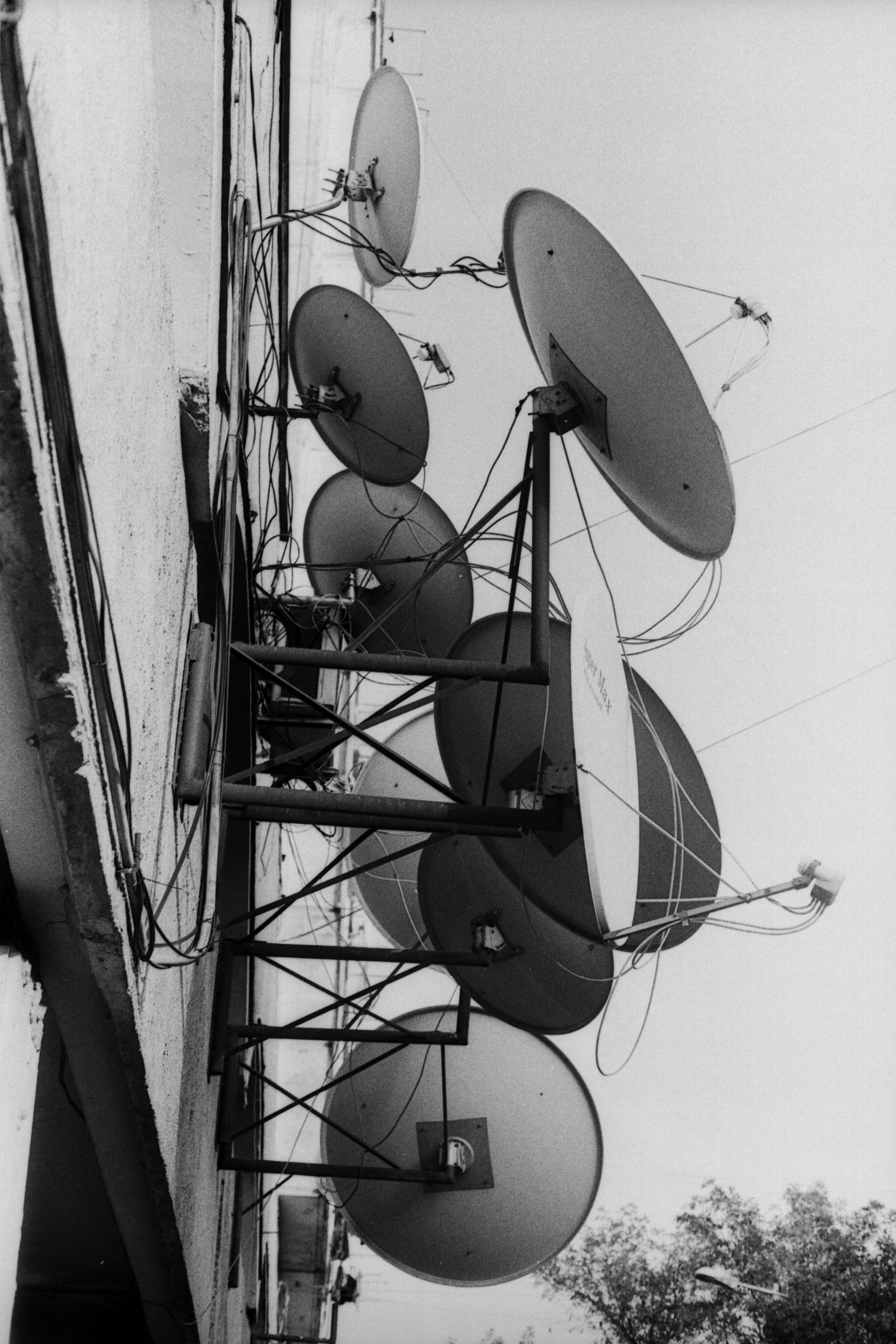
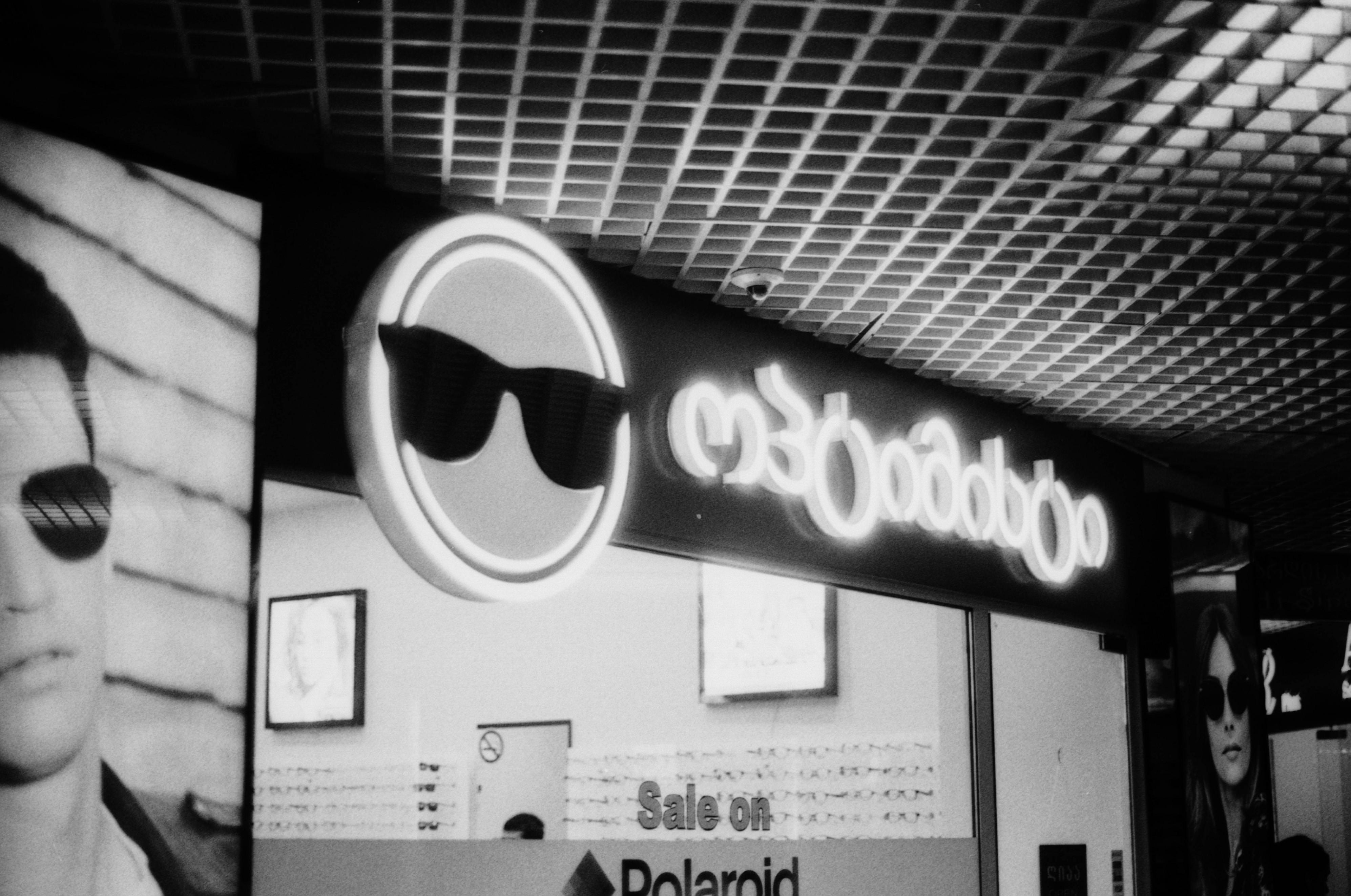
First sacrificial roll of Kentmere 100:

B1V85hc.jpg


UOz1Rku.jpg


DLqYH9c.jpg


NtGkOf5.jpg


jCZFs98.jpg


I think I overdone with agitation - continuous for first 30 seconds and then 5 seconds in every 30 seconds. Maybe next time I'll agitate a little less. But I was expecting something worse.
 
I think I overdone with agitation - continuous for first 30 seconds and then 5 seconds in every 30 seconds. Maybe next time I'll agitate a little less. But I was expecting something worse.
That is what I have used for 50+ years.
Two smooth twisting inversions ( or two smooth figure 8 movements) every 5 seconds - the liquid gurgles, but doesn't foam.
 
That is what I have used for 50+ years.
Two smooth twisting inversions ( or two smooth figure 8 movements) every 5 seconds - the liquid gurgles, but doesn't foam.

There wasn't any foam, I guess. But since I have a tank with rotating thermometer in the middle, I can't twist it. I just did "8" movements.
 
Whatever you did, keep it up, your images look great.

They look a little washed to me. And the last photo has some sort of halo around the letters but I blame it to shooting at f/1.4. The film is expired two years ago (it's a leftover from a bulk) so I think I'll need to try a proper roll once. Like Tri-X or something basic. HP5+ is readily available in Georgia, but I'd much rather buy Kodak.
 
The house in the first photo is a bit oblique. Check whether your tank was truly upright.
 
Photrio.com contains affiliate links to products. We may receive a commission for purchases made through these links.
To read our full affiliate disclosure statement please click Here.

PHOTRIO PARTNERS EQUALLY FUNDING OUR COMMUNITY:


Ilford ADOX Freestyle Photographic Stearman Press Weldon Color Lab Blue Moon Camera & Machine
Top Bottom