

DWThomas
Subscriber
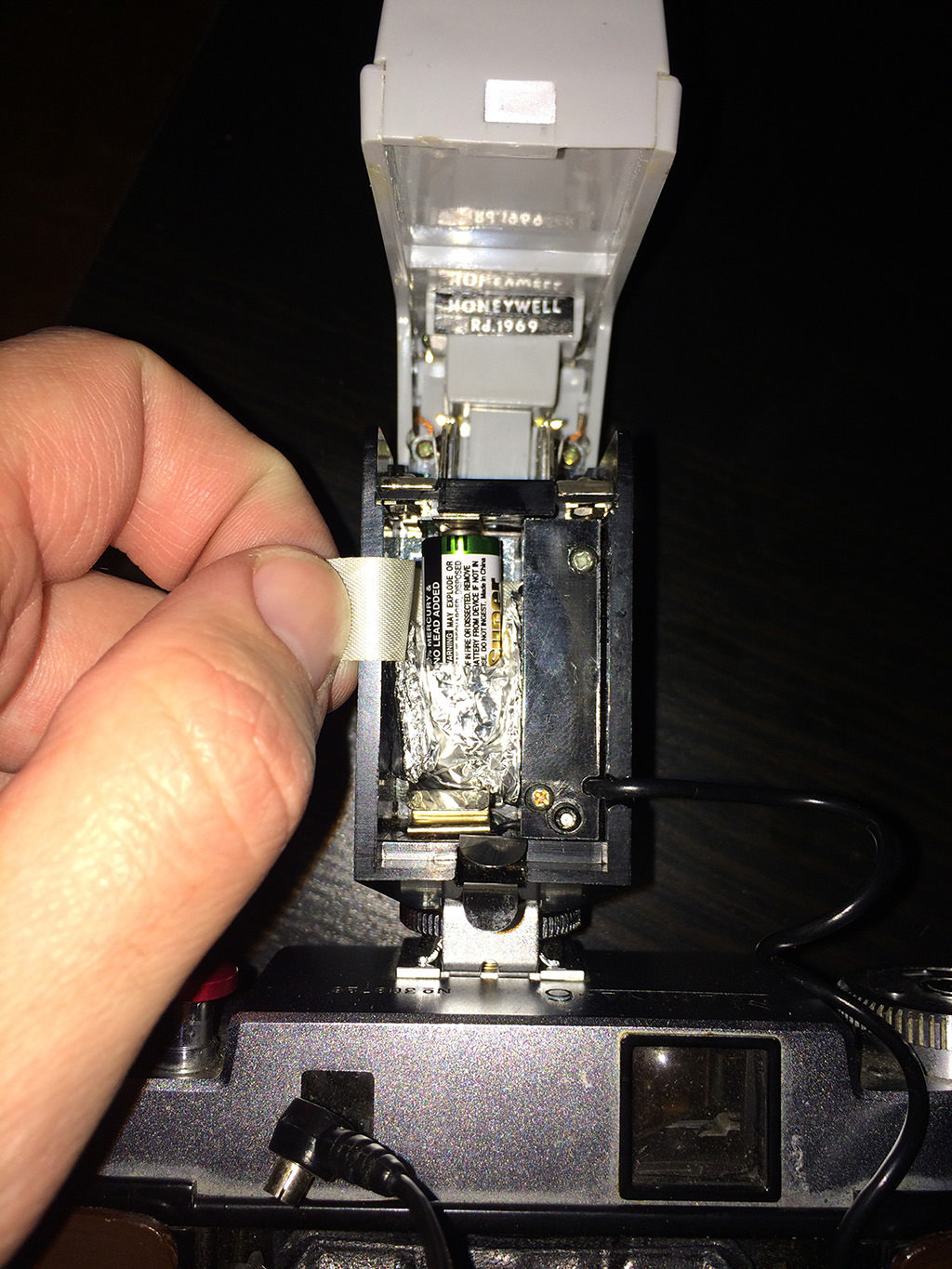
Yes, as far as I am aware, most early flashguns were simply a battery and the bulb where the sync closed the circuit. The voltage required is not at all high, it's the current that can be an obstacle. I have a 1957 vintage Argus C-3 with a flashgun that holds two 'C' cells, and that's it. It's likely that 'AA' or 'AAA' cells, especially the old zinc-carbon might have trouble supplying the current. So the "BC" (battery capacitor) flashguns stored a charge in a capacitor to supply a surge of current to fire the bulb. That permitted a much smaller package to perhaps mount on the camera instead of L brackets and those monster "light sabers."Oh no kidding? So I can try to see if it will fire with a less powerful battery as long as its ends touch the proper contact points and complete the circuit? In the technical data I've been reading it appears most bulbs will fire with as little as 3 volts.
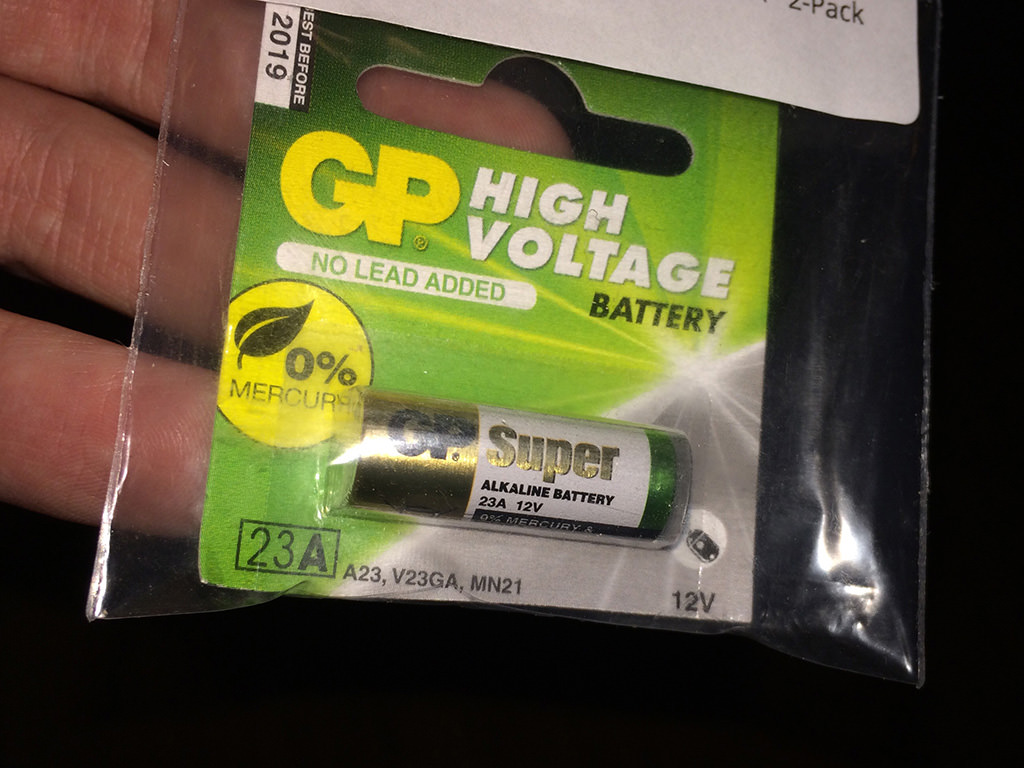
I wasn't aware of those A23 12-volt batteries mentioned upthread, that might indeed be a worthy candidate -- and apparently here in the US, CVS pharmacies carry them because they are used in some medical widgets.
Electrolytic capacitors have a fluid or gel inside that tends to dry out, plus the actual dielectric layer is essentially just the surface oxide on an aluminum foil. Over time, if the capacitor is not charged occasionally, the oxide layer can become electrically leaky and lose effectiveness. Sometimes (often done with electronic flash units) charging, firing and discharging the unit a few times can "re-form" the oxide layer and restore operation, but one cannot count on it. I bring this up because I have several small electronic flashes that are decades old and they won't even start (you can normally hear the internal oscillator "sing") to begin charging because the capacitors are so far gone they overload the charge circuit. Fun stuff!