
• Welcome to Photrio!
    Registration is fast and free. Join today to unlock search, see fewer ads, and access all forum features.
    Click here to sign up

Revisiting 'Preflashing' with Rodinal

Untitled

A
Untitled

  • 1
  • 2
  • 47
The Hot Waters

A
The Hot Waters

  • 0
  • 0
  • 47

Forum statistics

Threads
204,324
Messages
2,867,144
Members
102,223
Latest member
jeffwiedner
Recent bookmarks
1

Cholentpot

Member
Joined
Oct 26, 2015
Messages
7,150
Format
35mm
On scouring the internets and some dusty tomes I came across a method of socalled 'preflashing' color film with Rodinal. I googled some more and found some old threads from this website.

Armed with a tiny slice of knowledge and a much larger pie of cluelessness I pulled out of the fridge two rolls of Vision 3 500T that I shot at 800 a few weeks ago. The film is from a roll of short ends expired who knows when and stored idunno. It has worked ok in the past and I have nothing to lose trying something new. My C-41 kit rated for 8 rolls was holding at roll 40. It was mixed up back in October. This sets the table.

Into the stainless tank goes 450ml of I guess room temp water with 4.5ish ml of Rodinal. 10 min dev, shake the first 30 seconds and invert a few times around 5 min. On dumping the Rodinal I noticed the water was black, looks like the rodinal took care of the remjet? I rinsed and did a baking soda bath anyhow which didn't seem to do anything.

Color dev for 8:00 min and then blix for 12. This was due to the age and use of the kit. 3 min wash, finger clean under running water to get rid of any leftover remjet - looked like there was nothing left - and seesaw through some stab. (I was developing a roll of CN400 120 alongside, just a standard development)

On inspecting the negatives they look excellent. I can't tell the colors until I scan but hanging up they are really nice looking. I'll scan some examples and post them over the next few days. If the Rodinal does get rid of the remjet then this method is completely worth the extra effort. The scan will tell the truth though.
 
@Cholentpot: just curious, without a control group that received the normal processing, how do you plan to evaluate the speed gains of pre-flash?

Also, have you or anyone tried Perborate latensification with colour film? How does it compare with Rodinal pre-flash?

No control group other than I've developed dozens of rolls of this stuff and I have an inkling of the basic look.

I suppose this would be "lets see what happens" experiment rather than a scientific method excersise

Science is for NERDS! But like, yeah. Just going to see how it worked out.
 
Cholenpot, it may just be me but I cannot see any connection between what you did with Rodinal and "pre-flashing" of any kind.

Was the 800T pre-flashed prior to using and you didn't say so because you felt this step was clear from the word "pre-flashing"? I am in fact also unclear what the Rodinal did for the film, except maybe act as a remjet remover although how Rodinal achieves this is a mystery to me

Nobody else seems to have wondered about any of this so as I said it is maybe me. Hopefully you or others can clear up my confusion.

Thanks

pentaxuser
 
Yeah, nothing wrong with it :smile: Great that you are having fun By the way, any chance to post some pics?

Will get some up. Cholentpot jr is currently preventing me from doing this.

Cholenpot, it may just be me but I cannot see any connection between what you did with Rodinal and "pre-flashing" of any kind.

Was the 800T pre-flashed prior to using and you didn't say so because you felt this step was clear from the word "pre-flashing"? I am in fact also unclear what the Rodinal did for the film, except maybe act as a remjet remover although how Rodinal achieves this is a mystery to me

Nobody else seems to have wondered about any of this so as I said it is maybe me. Hopefully you or others can clear up my confusion.

Thanks

pentaxuser

Some old guy named Adams wrote about it. I read up about doing it chemically instead of with light.
 
I can understand some random old Adams dude being confused what pre-flashing and what post-flashing is. But, c'mon, we're on Photrio... :wink:
 
I would have expected a process intended to emulate flashing (whether pre- or post-) to involve very lightly fogging the emulsion, as light would do, and Rodinal isn't something I'd expect to do that. What you might be accomplishing with a short development at high dilution in Rodinal is to "get things started", enhancing the silver specks to make them easier for the CD-4 to develop.
 
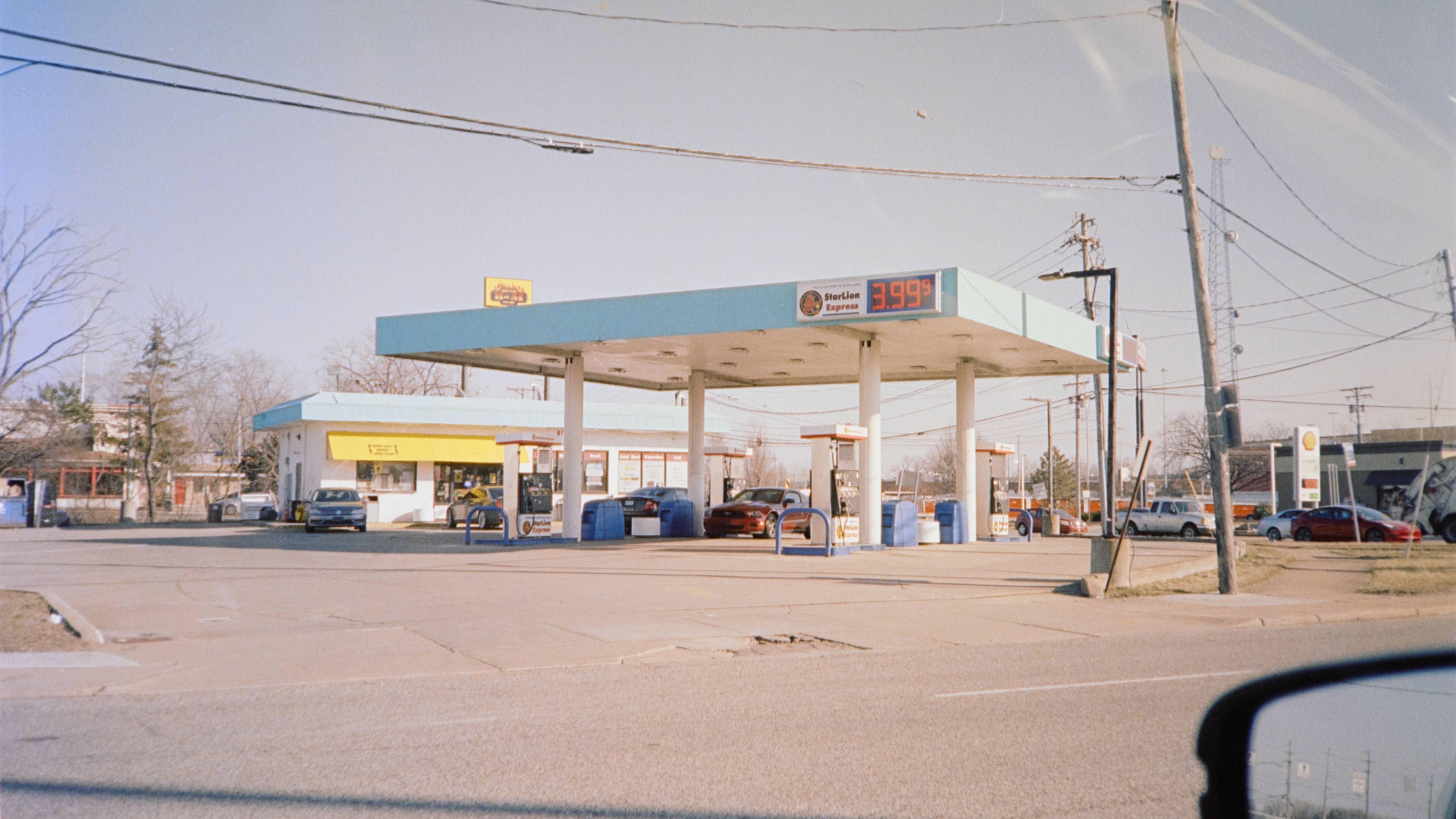
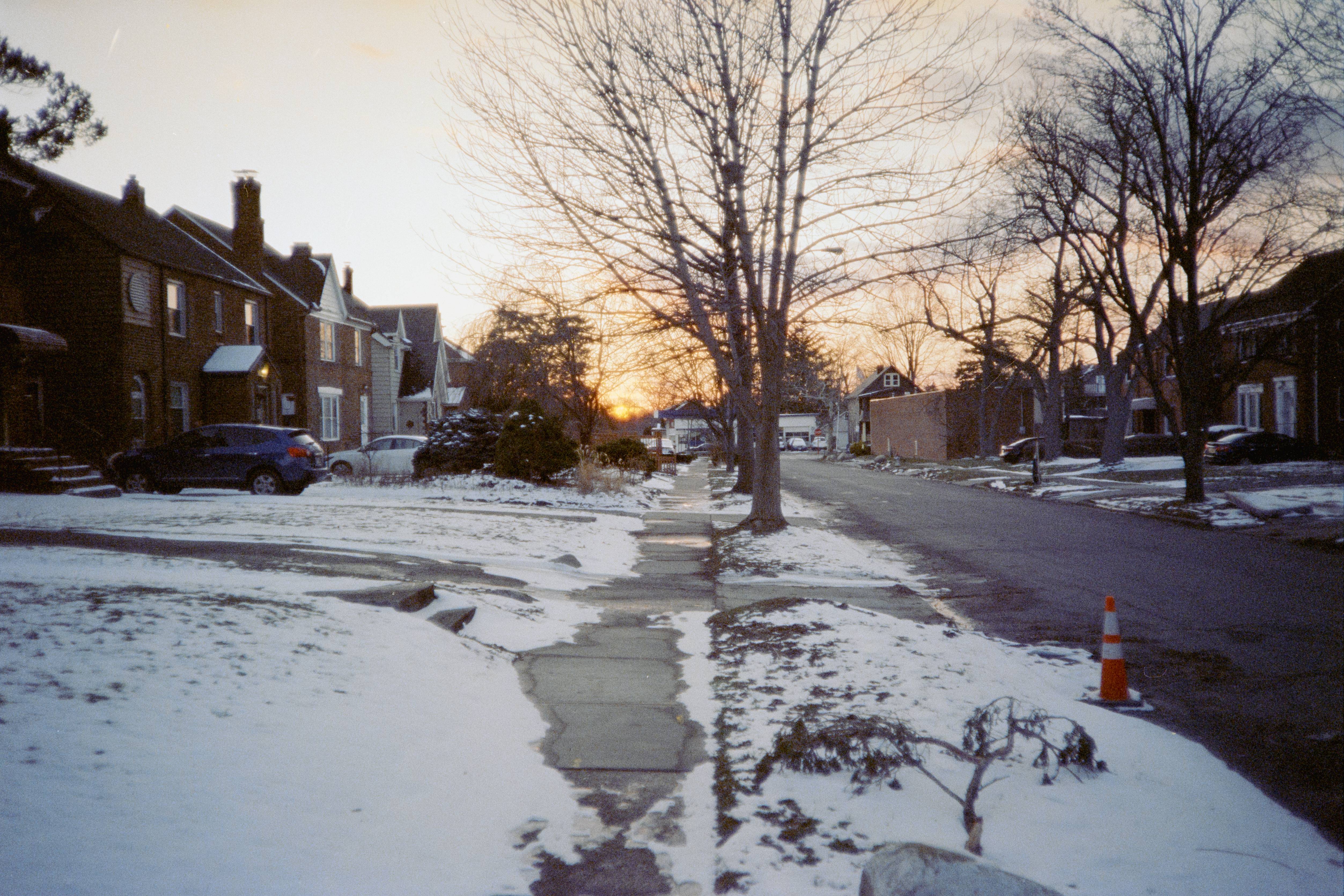
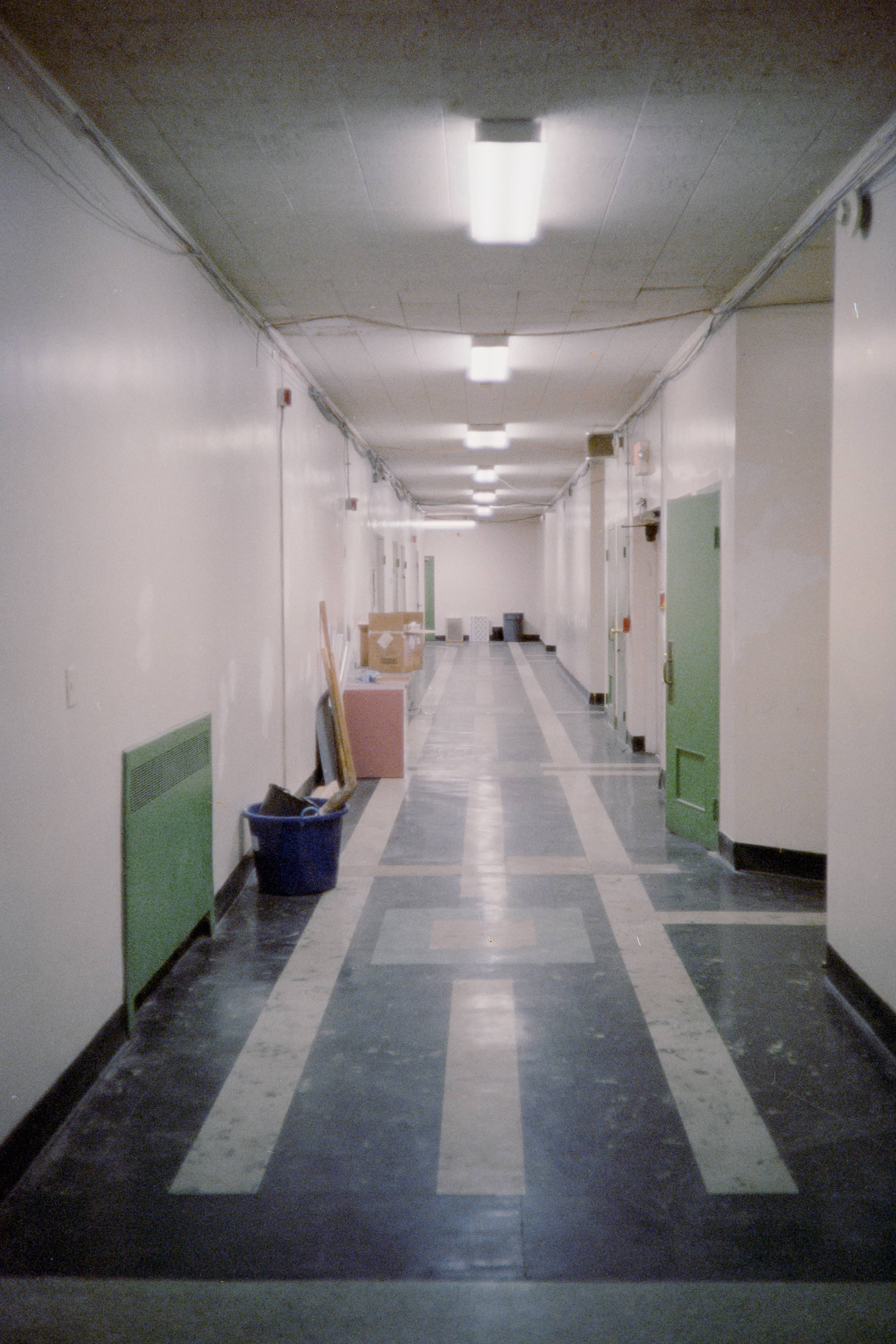
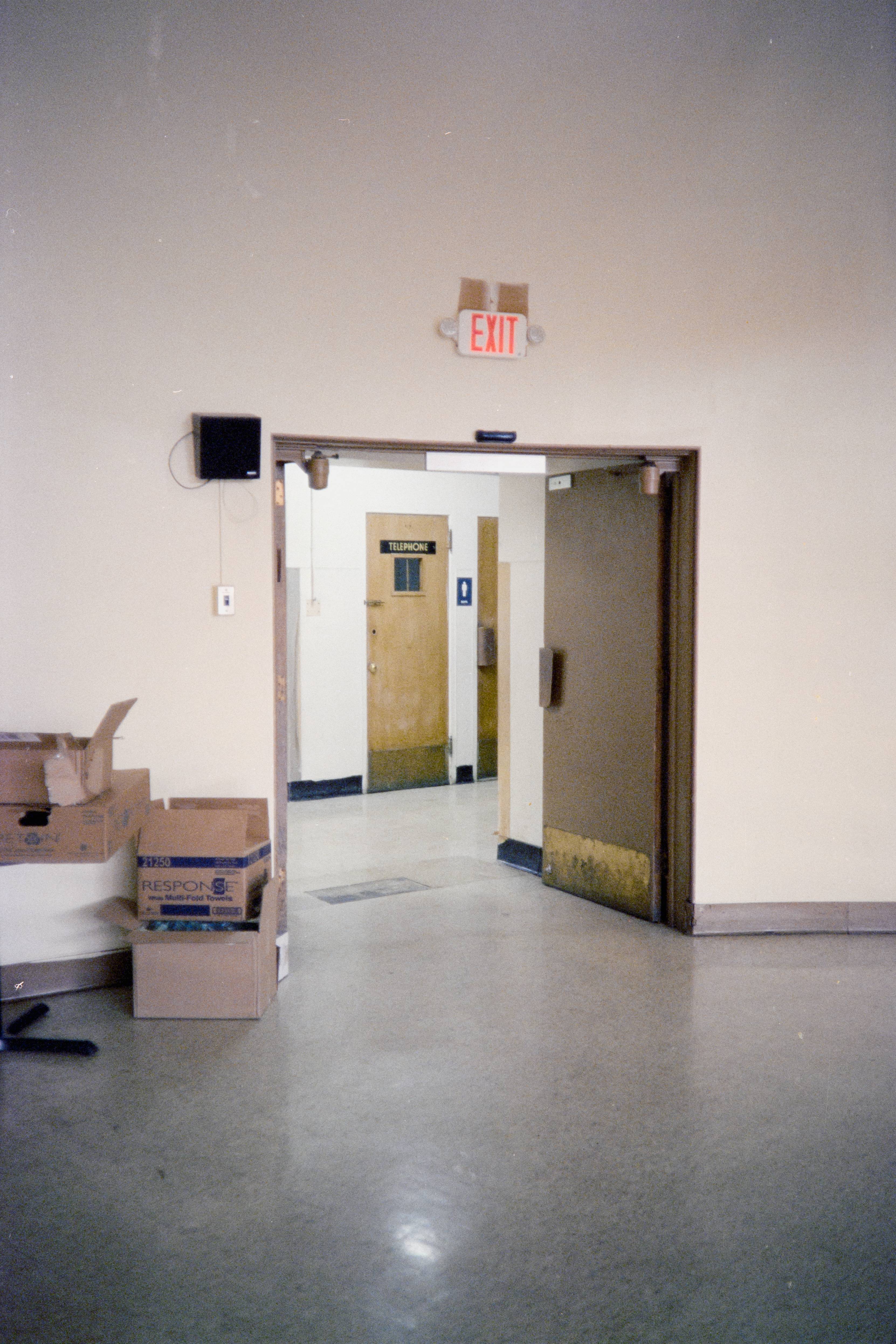
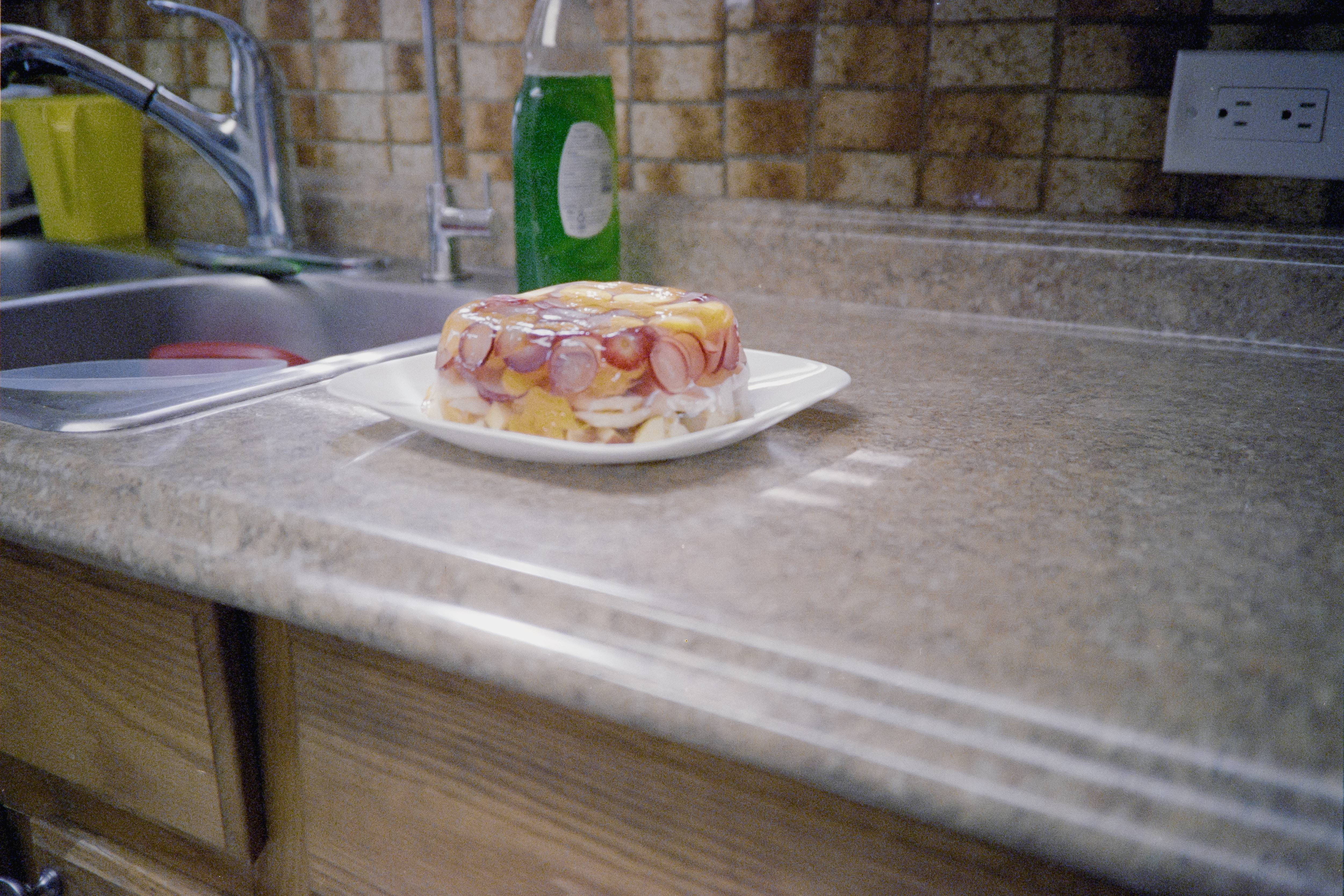
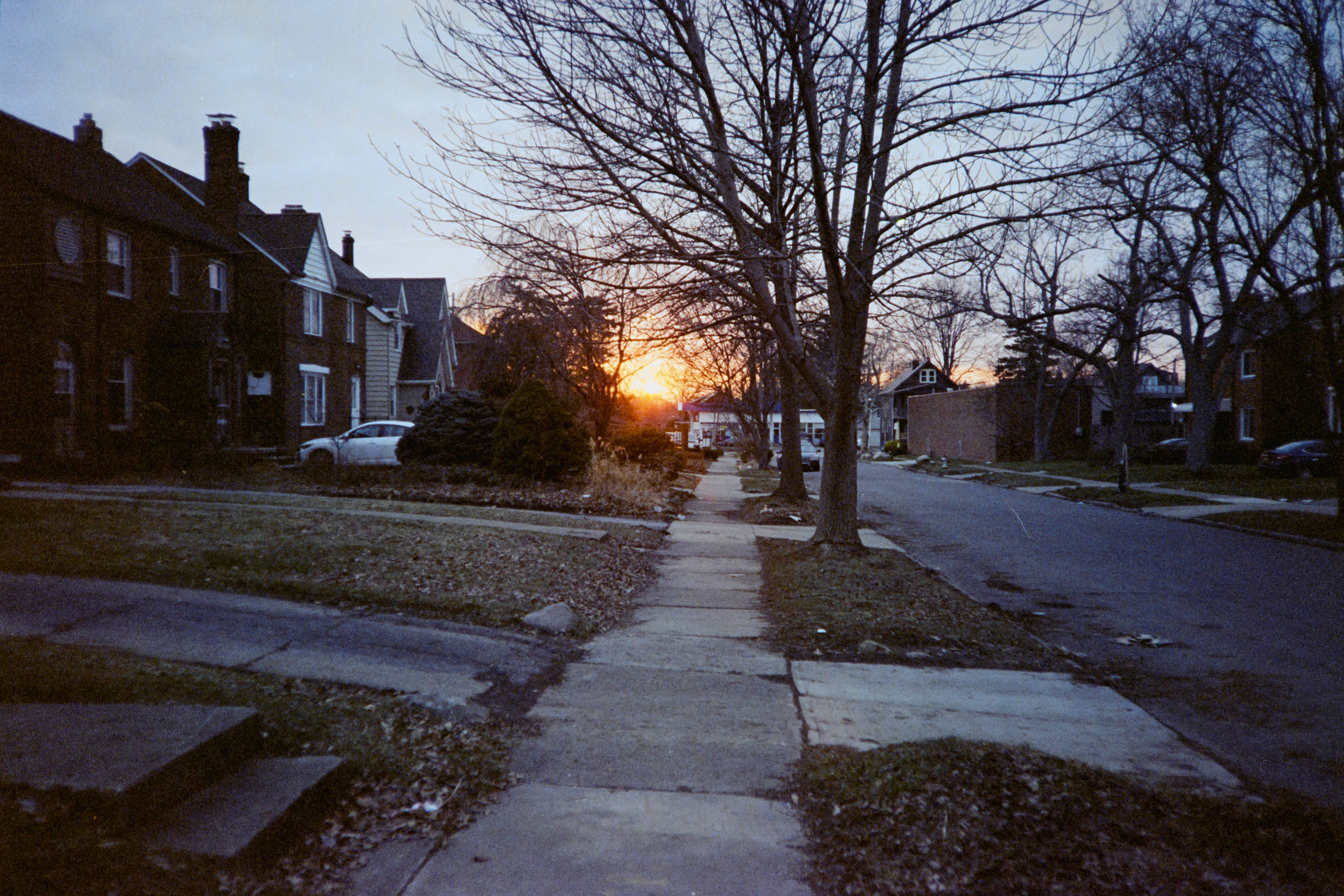
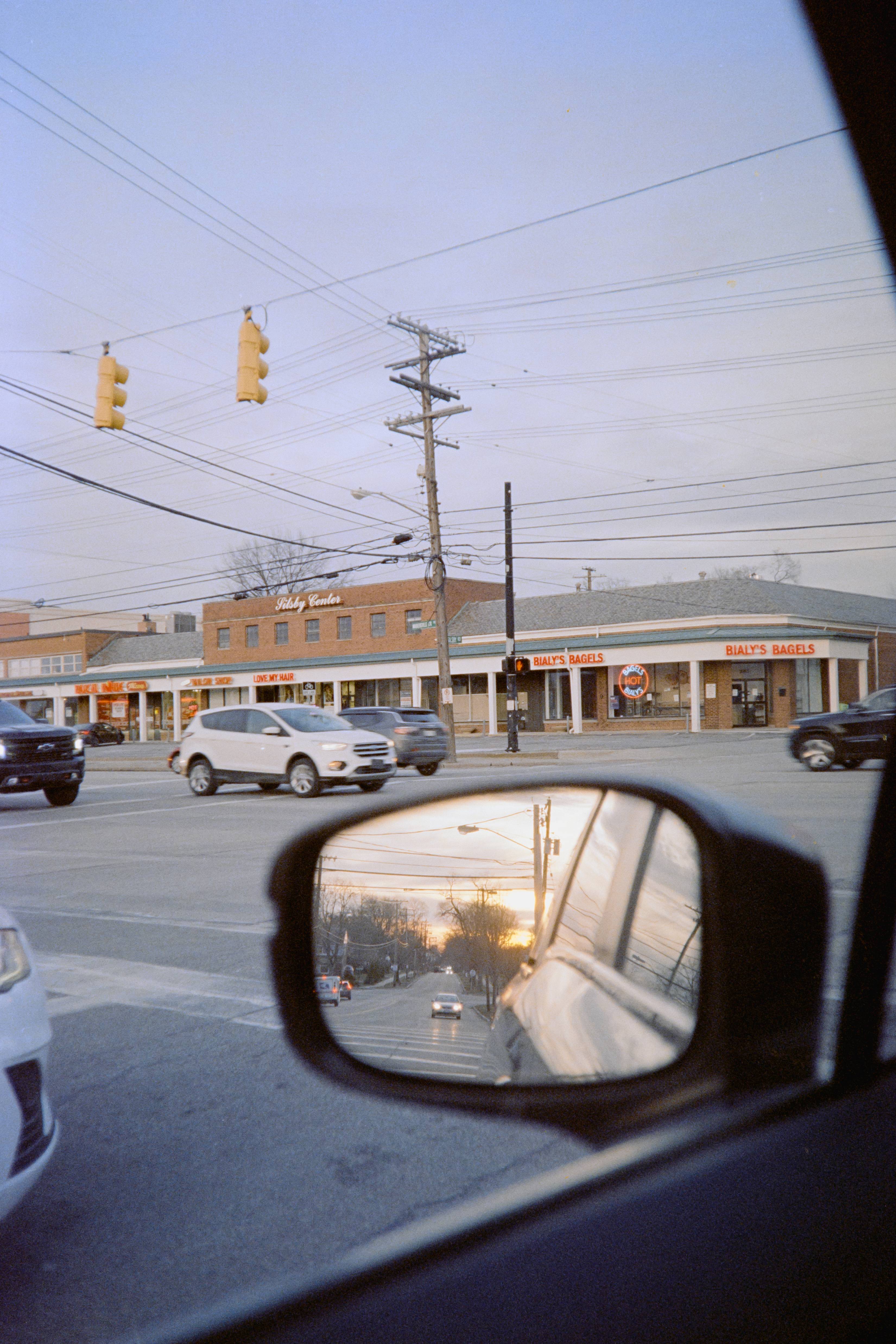
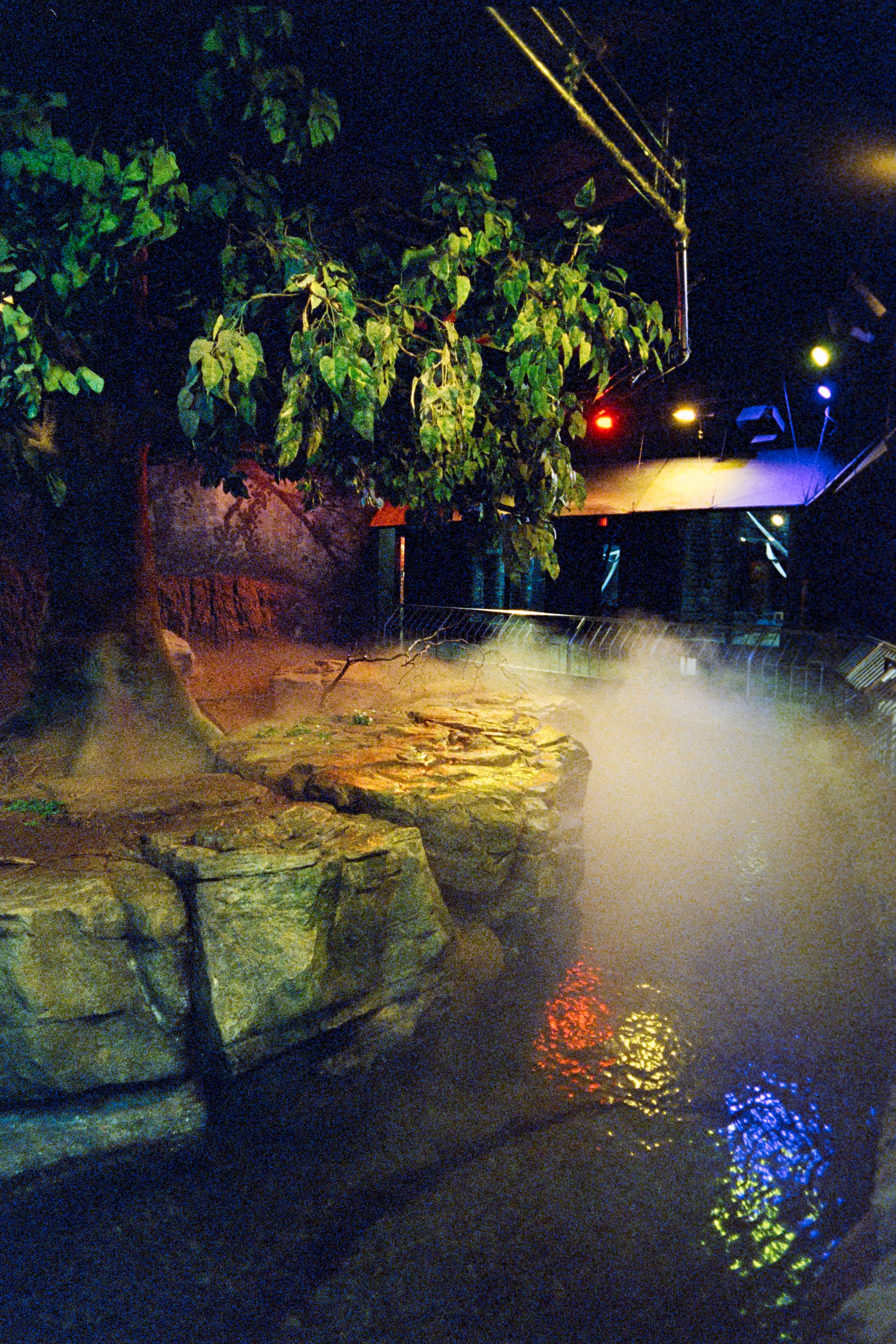
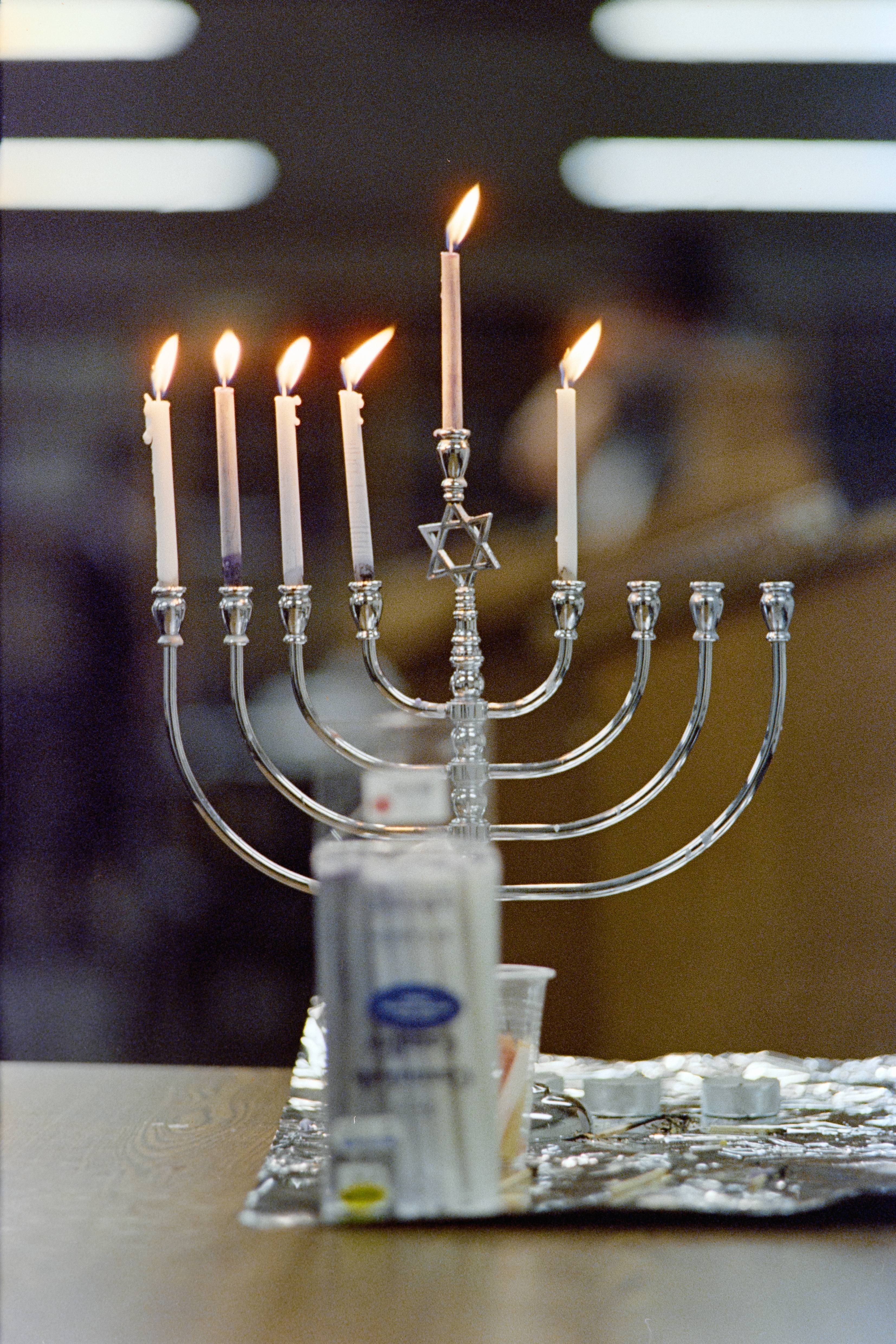
Here's shots from the first roll. Taken on an Olympus XA set to 800. I've left them more or less full size so you can have the full fun view of everything.

2rlcHK3.jpg


pMOBn1I.jpg


ZrfVREV.jpg


CbxZ228.jpg


qzVTZ2m.jpg


FtbAiIO.jpg


SYNt2sC.jpg


08haeOh.jpg


For comparison here's 500T shot on a N6006 rated at ISO500 and developed normally.
BiyqnPU.jpg


And another from an F3 shot again at 500.
57T4hky.jpg


Straight off the bat I noticed there is far less color noise or grain. Much smaller grain too. I'm really impressed with the method. Also, the XA punches way above its class.

I have another roll waiting for scanning. It was shot with higher quality lenses (Supposedly) then the XA so I'm curious how it'll look.
 
I would have expected a process intended to emulate flashing (whether pre- or post-) to involve very lightly fogging the emulsion, as light would do, and Rodinal isn't something I'd expect to do that. What you might be accomplishing with a short development at high dilution in Rodinal is to "get things started", enhancing the silver specks to make them easier for the CD-4 to develop.

Right. We need a catchy name for this process because it looks to me like it worked.
 
In the (limited imagination) tradition of analog photography, I'd suggest calling it "pre-development."
 
"Cholentpot" would work.
 
Here's shots from the first roll. Taken on an Olympus XA set to 800. I've left them more or less full size so you can have the full fun view of everything.

2rlcHK3.jpg


pMOBn1I.jpg


ZrfVREV.jpg


CbxZ228.jpg


qzVTZ2m.jpg


FtbAiIO.jpg


SYNt2sC.jpg


08haeOh.jpg


For comparison here's 500T shot on a N6006 rated at ISO500 and developed normally.
BiyqnPU.jpg


And another from an F3 shot again at 500.
57T4hky.jpg


Straight off the bat I noticed there is far less color noise or grain. Much smaller grain too. I'm really impressed with the method. Also, the XA punches way above its class.

I have another roll waiting for scanning. It was shot with higher quality lenses (Supposedly) then the XA so I'm curious how it'll look.
I found it difficult to make a fair comparison in that at least one of the 500 shots the colours looked a bit garish but it may be that 500T at 500 in that light would produce that effect anyway. There was no candelabra shot at 800 but it did look to me as if it has better colour rendition at box speed. Some of the 800 shots were OK but the colours in the gas station shot in particular looked quite desaturated and to an extent that it was too "thin" for me However other shots at 800, the dusk shot in particular looked OK

What I cannot work out is whether the shots at 800 would have looked that way in any case i.e. the Rodinal did nothing in reality except it would appear to remove the remjet

Why Rodinal would have this ability is something that I am curious about but as no-one else has even mentioned it I may be in a population of 1:smile:

My jury on the benefits of Rodinal as a useful ingredient here is still out Worth an experiment though

Is there a source for AA's writing about the use of Rodinal as a chemical pre-flasher?

Thanks

pentaxuser
 
I found it difficult to make a fair comparison in that at least one of the 500 shots the colours looked a bit garish but it may be that 500T at 500 in that light would produce that effect anyway. There was no candelabra shot at 800 but it did look to me as if it has better colour rendition at box speed. Some of the 800 shots were OK but the colours in the gas station shot in particular looked quite desaturated and to an extent that it was too "thin" for me However other shots at 800, the dusk shot in particular looked OK

What I cannot work out is whether the shots at 800 would have looked that way in any case i.e. the Rodinal did nothing in reality except it would appear to remove the remjet

Why Rodinal would have this ability is something that I am curious about but as no-one else has even mentioned it I may be in a population of 1:smile:

My jury on the benefits of Rodinal as a useful ingredient here is still out Worth an experiment though

Is there a source for AA's writing about the use of Rodinal as a chemical pre-flasher?

Thanks

pentaxuser

The desaturated look may be from using the C-41 kit well past the manufacturers recommendation.

I do see smaller grain and less noise in the 800 speed shots. And the color rendition could also be due to my own scanning, I process how I see fit. Sometimes the colors are more garish than other times. As per the AA, he mentions pre-development in The Negative but I don't think he mentions Rodinal. Maybe HC-110 in high dilution. I have to get the book again and re-read. I can very well be misquoting or making the whole thing up.
 
As per the AA, he mentions pre-development in The Negative but I don't think he mentions Rodinal.

I don't recall this -- he did write about water bath development (film/plate is developed normally for a while, then switch to a water bath without agitation, then back to developer, then water again). He said this produced strong compensating effect, pushing up shadow density without increasing contrast the way extended development would. I would think this is best applied in a development by inspection, but I don't recall his saying (at least in that trilogy) that he did that.
 
The desaturated look may be from using the C-41 kit well past the manufacturers recommendation.

. As per the AA, he mentions pre-development in The Negative but I don't think he mentions Rodinal. Maybe HC-110 in high dilution. I have to get the book again and re-read. I can very well be misquoting or making the whole thing up.

Well if nothing else you seem to have discovered Rodinal's use as a remjet remover. How does this compare with the cost of baking soda?

No-one else seems interested in the why and how of its use for remjet removal. Time is not on our side as we approach midnight on 31st( we are already beyond it in NZ and Oz) the whole thread may descend into the twilight zone on 1st April :D

pentaxuser
 
I don't recall this -- he did write about water bath development (film/plate is developed normally for a while, then switch to a water bath without agitation, then back to developer, then water again). He said this produced strong compensating effect, pushing up shadow density without increasing contrast the way extended development would. I would think this is best applied in a development by inspection, but I don't recall his saying (at least in that trilogy) that he did that.

There you go. I take back the AA statement. Now I have to recall the book where I came across this.

Well if nothing else you seem to have discovered Rodinal's use as a remjet remover. How does this compare with the cost of baking soda?

No-one else seems interested in the why and how of its use for remjet removal. Time is not on our side as we approach midnight on 31st( we are already beyond it in NZ and Oz) the whole thread may descend into the twilight zone on 1st April :D

pentaxuser

It's less messy than baking soda. I think it clearly does a better job too. As per deadline, have at it.
 
Higher pH probably loosens the remjet better than baking soda or (slightly more alkaline) washing soda. Probably borax would do better than those, but seemingly even a very weak lye solution does a very good job.

Lye sold as a drain opener is still available (I got some from Amazon when I set my darkroom up a couple years ago, but I used to get it in larger supermarkets and it's probably available in home improvement stores), and quite cheap, given how little you need for this.
 
nto the stainless tank goes 450ml of I guess room temp water with 4.5ish ml of Rodinal. 10 min dev, shake the first 30 seconds and invert a few times around 5 min. On dumping the Rodinal I noticed the water was black, looks like the rodinal took care of the remjet? I rinsed and did a baking soda bath anyhow which didn't seem to do anything.

Color dev for 8:00 min and then blix for 12. This was due to the age and use of the kit. 3 min wash, finger clean under running water to get rid of any leftover remjet - looked like there was nothing left - and seesaw through some stab. (I was developing a roll of CN400 120 alongside, just a standard development)
This is a wonderful topic, my brother, God bless you.
Could you remind me, in which city do you live?
 
Higher pH probably loosens the remjet better than baking soda or (slightly more alkaline) washing soda. Probably borax would do better than those, but seemingly even a very weak lye solution does a very good job.

Lye sold as a drain opener is still available (I got some from Amazon when I set my darkroom up a couple years ago, but I used to get it in larger supermarkets and it's probably available in home improvement stores), and quite cheap, given how little you need for this.

Borax did not work for me. I have a box of 20 Mule that's still sitting around. How would I go about using lye? What's the dilution?

This is a wonderful topic, my brother, God bless you.
Could you remind me, in which city do you live?

North East Ohio.

You are in Egypt? I was there in 2004, Giza to Aswan with a stop in Luxor. Public transportation only. Wonderful country, lovely people.
 
@Cholentpot: just curious, without a control group that received the normal processing, how do you plan to evaluate the speed gains of pre-flash?

Also, have you or anyone tried Perborate latensification with colour film? How does it compare with Rodinal pre-flash?
The purpose of pre-flashing film is to have some tea to detail to the shadows and not to get an overall speed gain. In any land procedure should be independent of the type of developer used.
 
Photrio.com contains affiliate links to products. We may receive a commission for purchases made through these links.
To read our full affiliate disclosure statement please click Here.

PHOTRIO PARTNERS EQUALLY FUNDING OUR COMMUNITY:


Ilford ADOX Freestyle Photographic Stearman Press Weldon Color Lab Blue Moon Camera & Machine
Top Bottom