• Welcome to Photrio!
    Registration is fast and free. Join today to unlock search, see fewer ads, and access all forum features.
    Click here to sign up

One transparent negative when developing 2 rolls at once

Somewhere...

D
Somewhere...

  • 3
  • 1
  • 71
Iriana

H
Iriana

  • 6
  • 1
  • 137

Recent Classifieds

Forum statistics

Threads
202,745
Messages
2,844,975
Members
101,494
Latest member
FlyingDutchman
Recent bookmarks
0
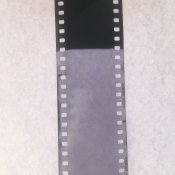
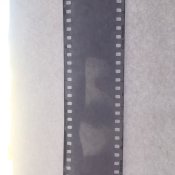
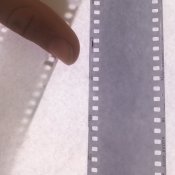
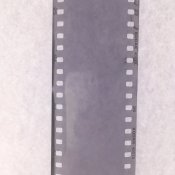
Here is the second roll that was ruined in the second bunch.
 

Attachments

  • R2-1.JPG
    R2-1.JPG
    628.4 KB · Views: 165
  • R2-2.JPG
    R2-2.JPG
    618.9 KB · Views: 150
  • R2-3.JPG
    R2-3.JPG
    641.2 KB · Views: 155
  • R2-4.JPG
    R2-4.JPG
    628.7 KB · Views: 185
  • R2-FINAL.JPG
    R2-FINAL.JPG
    541.2 KB · Views: 169
Were all these rolls taken with the same camera? Are these rolls the same, or a mixture of different films?
What model camera or cameras were you using?
I have a number of old cameras, and a few of then are very difficult to load. I have since learned how to detect whether or not the film advances, but that is due to improperly loading the film and shooting multiple blank rolls.
Based on your photos, the "blank" rolls were properly developed. This appears to be a camera loading issue or lens cap left in place. Most of us have done this at some time,
 
The 4th picture shows what you get when camera isn't loaded correctly. You see the black at the very beginning of the roll. This black is the film that was exposed from the film tab sticking out of the cassette. You can see the film numbers that are clearly developed on the film, this shows it not a developer problem. One final observation, you see frame numbers starting at 00, this shows that the film never wound out of the cassette, not sure what type of camera you are using. Best to wind a couple frames before you close the back of the camera.
All the other problems are from bad reel winding. You need to practice a lot on loading the steel reels. Make sure they are not bent. The easiest reels to load are made by Hewes in England, these are beautiful, but a bit expensive.
 
Were all these rolls taken with the same camera? Are these rolls the same, or a mixture of different films?
What model camera or cameras were you using?
I have a number of old cameras, and a few of then are very difficult to load. I have since learned how to detect whether or not the film advances, but that is due to improperly loading the film and shooting multiple blank rolls.
Based on your photos, the "blank" rolls were properly developed. This appears to be a camera loading issue or lens cap left in place. Most of us have done this at some time,

These rolls were taken with the same Nikon FM-2, using Kodak Tri-x 400 rolls. It's odd, but possible!
 
The 4th picture shows what you get when camera isn't loaded correctly. You see the black at the very beginning of the roll. This black is the film that was exposed from the film tab sticking out of the cassette. You can see the film numbers that are clearly developed on the film, this shows it not a developer problem. One final observation, you see frame numbers starting at 00, this shows that the film never wound out of the cassette, not sure what type of camera you are using. Best to wind a couple frames before you close the back of the camera.
All the other problems are from bad reel winding. You need to practice a lot on loading the steel reels. Make sure they are not bent. The easiest reels to load are made by Hewes in England, these are beautiful, but a bit expensive.

t has never happened to me but I have been in some rushed moments these days, so it could be the cause. I think what I will do today is try to develop more rolls one by one, and see how the rest turn out.
 
These rolls were taken with the same Nikon FM-2, using Kodak Tri-x 400 rolls. It's odd, but possible!
In the future, when advancing the film, watch the rewind lever on the top left of the camera. If this knob turns as you advance the film, everything is OK. If not, it may not have loaded properly. I have had enough loading failures that I always do this for the first few shots of each roll on my older cameras.
 
Whenever possible, one should try to verify whether the film is transported, best at the first windings:

-) classic cameras have a rewind crank. It must turn during each winding action
-) some of these in addition have a marked winding lock button at the bottom. It must turn also

-) some compact cameras with automated transport have a marked wheel visible at the backside. It must turn.

-) modern cameras with automated transport and digital display typically only show a frame number if the film has been transported
 
The 4th picture shows what you get when camera isn't loaded correctly. You see the black at the very beginning of the roll. This black is the film that was exposed from the film tab sticking out of the cassette. You can see the film numbers that are clearly developed on the film, this shows it not a developer problem. One final observation, you see frame numbers starting at 00, this shows that the film never wound out of the cassette, not sure what type of camera you are using. Best to wind a couple frames before you close the back of the camera.
All the other problems are from bad reel winding. You need to practice a lot on loading the steel reels. Make sure they are not bent. The easiest reels to load are made by Hewes in England, these are beautiful, but a bit expensive.


An excellent and correct analysis. The photo labelled, r2-1.jpg tells the whole story. Not even frame 00 was exposed - likely, the film never made it out of the canister. The black leader and edge markings tell us that the developer was not the fault.
 
A further advice:

At cameras with classic slotted take-up spool it is mostly not evident in which direction it is turning during film transport.
In such cases always release and wind before inserting the film leader into a slot of the spool. By this you see in advance in what direction the spool is turning. Thus after inserting the leader by hand you will be turning that spool with your thumb into the right direction.
 
In the future, when advancing the film, watch the rewind lever on the top left of the camera. If this knob turns as you advance the film, everything is OK. If not, it may not have loaded properly. I have had enough loading failures that I always do this for the first few shots of each roll on my older cameras.
Exactly, I've done it. This is a good lesson. You have a nice camera.

Practice loading those darn reels with a roll of undeveloped film. Cheap SS reels can be frustrating, once you have practice, it's easy.
 
Exactly, I've done it. This is a good lesson. You have a nice camera.

Practice loading those darn reels with a roll of undeveloped film. Cheap SS reels can be frustrating, once you have practice, it's easy.

Why use undeveloped film when you could use two rolls of developed film with no usable images on the negatives that someone just happens to have sitting around now?
 
Why use undeveloped film when you could use two rolls of developed film with no usable images on the negatives that someone just happens to have sitting around now?
The emulsion is sticky, developed film is easier to load. If you are in a humid environment and your hands are damp loading film can be a pain.
 
An excellent and correct analysis. The photo labelled, r2-1.jpg tells the whole story. Not even frame 00 was exposed - likely, the film never made it out of the canister. The black leader and edge markings tell us that the developer was not the fault.

I once shot the longest roll ( 72 frames ) of a 24 exposure roll of tri x that way, every image was a keeper, except none of the film exposed !
 
What surface difference there is between unprocesed and procesed film?
Good question and in addition it will be unprocessed but exposed film that has to be loaded by the user so would it not be better to practice with unprocessed film?

pentaxuser
 
One thing, better to practice with processed film than not practice at all. However, unprocessed film is coiled tighter, is sticky to the touch, especially in humid environments like a changing bag. I wouldn't recommend a changing bag to a beginner, they are a pain. Sit on a comfortable stool in a cool darkroom and wind your film. The other thing is the condition of the reels. Cheap soft SS reels are worthless. By far the easiest way to start for a beginner is a NEW Paterson tank, with NEW reels or buy Hewes SS reels.
 
And if it is any comfort, the "never left the cassette" error has happened to a lot of us!
With my cameras, I have worked diligently to make it an automatic habit to tension the film with the rewind crank before advancing the film to the first frame, and then watch that crank to make sure it spins when I wind the film.
But even after 40+ years, sometimes even well ingrained habits can be disrupted.
 
I once shot the longest roll ( 72 frames ) of a 24 exposure roll of tri x that way, every image was a keeper, except none of the film exposed !

And if it is any comfort, the "never left the cassette" error has happened to a lot of us!
With my cameras, I have worked diligently to make it an automatic habit to tension the film with the rewind crank before advancing the film to the first frame, and then watch that crank to make sure it spins when I wind the film.
But even after 40+ years, sometimes even well ingrained habits can be disrupted.

Some of my best 35mm photographs were taken exactly this way.
 
And if it is any comfort, the "never left the cassette" error has happened to a lot of us!
I even made 36 (medical evidence) exposures with a modern, motorized SLR without film....
Contrary to what I said above its display counted-up exposed frames, in spite of the film lacking. So much about digital displays.
 
Which trickles my next advice:

Read the manual.
 
Especially (because you can). Leave the back open and spend a little film, getting the film engaged on both top & bottom sprockets. In the end it will save a lot of grief, knowing you're not just relying on the tip of the leader holding in the slots.
 
Last edited:
Especially (because you can). Leave the back open and spend a little film, getting the film engaded on both top & bottom sprockets. In the end it save a lot of grief, knowing you're not just relying on the tip of the leader holding in the slots.

Excellent advice......in a factory-loaded cassette there is sufficient length of film to pull the full width of film, before closing the back, right across to engage the sprockets and still get the full 36 exposures. (And, yes, this is a lesson learned after I've taken many beautiful pictures on the pressure plate ! )

Also, just find any old outdated film to sacrifice to practice loading, if you feel in would help, or at least practice loading the developing reels....in the light, in the dark and in a changing bag, until you're confident . Sometime closing your eyes, even when working in the dark, helps, must be some odd psychological reason.
 
You'll get into the habit of looking at the rewind wheel on the left turning as you advance film on the right. It sometimes takes a frame or two to take up the slack on a newly loaded. If the rewind isn't turning by the third frame, the film didn't engage. Also with a detached film, the advance lever in most cameras will be easy to turn compared to a correctly loaded one. If you're still suspicious put your ear to the camera back and wind on. If it's engaged you'll hear the film moving past the pressure plate.

Regarding undeveloped or unfixed blotches on the film, they occur when the film touched the adjoining groove on the spiral - metal or plastic. This happens when the spiral or film isn't fully dry, or the film is too long (can happen with self loaded cassettes). With a clean, dry, slightly warm plastic spiral, you should be able to push the film on by simply gripping the edges, though most of us twist to load.
 
Photrio.com contains affiliate links to products. We may receive a commission for purchases made through these links.
To read our full affiliate disclosure statement please click Here.

PHOTRIO PARTNERS EQUALLY FUNDING OUR COMMUNITY:



Ilford ADOX Freestyle Photographic Stearman Press Weldon Color Lab Blue Moon Camera & Machine
Top Bottom