

I would think it has everything to do with why a particular film looks he way it does. It also makes a difference to someone trying to replace a discontinued film with another to try and attain a desired result.
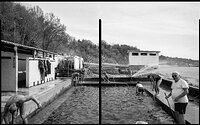
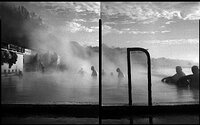
For one, T-grain/modern grain films have a much better reciprocity failure factor than the older emulsion. That's why if you look up reciprocity factors for Tmax or delta or Neopan 100 acros, they are much lower, barely any for some, when compared to reciprocity factors for Tri-x and etc.
Secondly, which is much more subjective, in general, I find I like the images from Tri-x, neopan, etc. much more than Tmax or Delta. Neopan 100 Acros is the only exception. I know there are many other factors involved, but, as far as I have read, I am not alone in having this impression. This is not provable, it's just a feel.
Therefore, various films have their own feel, and much of it has to do with their emulsion type. If that's not true, why do we bother to have so many different types/brands of film, chemicals, paper, etc. People do like to stick to what they know, but that only goes so far, I don't think it's enough to build an entire industry around.
| Photrio.com contains affiliate links to products. We may receive a commission for purchases made through these links. To read our full affiliate disclosure statement please click Here. |
PHOTRIO PARTNERS EQUALLY FUNDING OUR COMMUNITY: ![]() |
