
• Welcome to Photrio!
    Registration is fast and free. Join today to unlock search, see fewer ads, and access all forum features.
    Click here to sign up

Kodak ‘Investigating What it Would Take’ to Bring Back Kodachrome

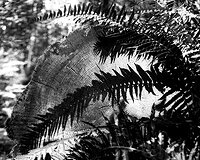
Cone and Hoop

A
Cone and Hoop

  • 0
  • 0
  • 29
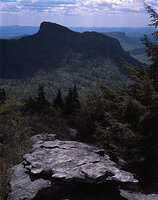
Snow on Willoughby

A
Snow on Willoughby

  • 0
  • 0
  • 33

Recent Classifieds

Forum statistics

Threads
202,761
Messages
2,845,221
Members
101,512
Latest member
FastFred
Recent bookmarks
0
@MattKing but you mentioned the “slideshow “. what makes a “Kodachrome slideshow “ different than any other type? I have experienced sharp slides and slideshows that were not Kodachrome, I still do not understand a slideshow that is specifically Kodachrome and how it is better or different. I have Kodachrome slides and to me they are just slides that I shot by mistake and then took too long to develop. They do not look any different or better on the light table or projected.

They do to me.
 
Kodachrome was/is unique. I didn't understand why when I first saw it and first started using it....once I learned how the film was made and processed it all made some sense. The colour rendition and vividness is like nothing else. When I inherited deceased relatives slides and movie film from the 60s and 70s, always the Kodachrome had survived looking like it was shot yesterday in terms of fidelity and rendition....though often the scenes recorded were clearly a long time ago.
 
So, I’m going to be visiting Kodachrome Basin state park in Utah next week. The closest I’ll have is some Ektachrome E100, but it still feels like I should shoot some Kodachrome, even if I won’t be able to develop it…
 
You could always develop it as black and white.
 
So, I’m going to be visiting Kodachrome Basin state park in Utah next week. The closest I’ll have is some Ektachrome E100, but it still feels like I should shoot some Kodachrome, even if I won’t be able to develop it…

Take some Ektachrome exposures with a polarizer filter for the color to stand out.
 
Take some Ektachrome exposures with a polarizer filter for the color to stand out.

And some d*gital post-processing to shift shadows in color. This will get you closer to the glorious KODACHROME LOOK!!!

In case somebody didn't notice, i'm being sarcastic.

These are the curves for K25:
1653083047529.png


You can see the R (red) has a different slope. This film will never maintain the same color neutralitiy through the shadows, mid-tones, and highlights. WONDERFUL!!
 
Last edited:
This is Ektachrome 100 Plus (EPP), a '90s film used extensively by professionals while kodachrome was still available and development was available, etc.

1653083176908.png


Look how the slopes match more closely compared to above (except in the deep shadows). And this isn't even the best Ektachrome film, there were even better subsequent films.

For example a very good film for portraits: Astia 100.

1653083357036.png


Color rendition is very good indeed. And this was an extremely fine grained film.

The rest, as they say, is history.
 
Kodachrome was/is unique. I didn't understand why when I first saw it and first started using it....once I learned how the film was made and processed it all made some sense.

It's sort of like movies that were made w/ the Technicolor process. Neither process is conventional, true or accurate, but they were both processes that made artfully beautiful images.

When you see a Technicolor movie you know it right away, the colors were made to go together like in a painting. In the Kodachrome films, the dye couplers are added later in the developing process, they're not in the film to begin with.
 
When you see a Technicolor movie you know it right away, the colors were made to go together like in a painting.

If you wanted to shoot a technicolor Movie, you had to sign a contract that included the mandiatory participation of a "technicolor color consultant" who would ensure that the sets, Makeup and costumes looked just right to be captured by the process.
 
If you wanted to shoot a technicolor Movie, you had to sign a contract that included the mandiatory participation of a "technicolor color consultant" who would ensure that the sets, Makeup and costumes looked just right to be captured by the process.

Hence why they went with ruby slippers in the Wizard of OZ instead of silver ones as in the book!
 
Hence why they went with ruby slippers in the Wizard of OZ instead of silver ones as in the book!
(totaly off topic, but those ruby slippers made extra work when they were doing a digital version of the film. they had a computer compare the three Black and white separation negatives, and delete any dust or scratch that was just on one negative. Well the slippers were treated like a scratch...! they had to make an exception to the software.)
 
Photrio.com contains affiliate links to products. We may receive a commission for purchases made through these links.
To read our full affiliate disclosure statement please click Here.

PHOTRIO PARTNERS EQUALLY FUNDING OUR COMMUNITY:


Ilford ADOX Freestyle Photographic Stearman Press Weldon Color Lab Blue Moon Camera & Machine
Top Bottom
