Someone mentioned that in overcast conditions, he would take an incident reading, then reduce exposure and increase development by some amount to correct for the flat contrast.
That was me.
In harsh direct sunlight conditions, shouldn't it then make sense to take an incident reading in sunlight, but then increase exposure from the reading and then possibly reduce development? Since since "sunlight is sunlight", how much correction would be good?
Taking an incident reading in the sun will underexpose the shadow areas, so yes a correction would have to be made to account for that, then a reduction in development could provide some control in the highlight densities. I've used 35 mm for general outdoor snapshot photography and I pulled Tri-X or Plus-X one stop (to preserve detail in the shadows a majority of the time) by rating it at 200 or 64, then reduced development to an what I considered an n-1 for highlight control. Contrast in the final print can be manipulated with VC papers and contrast filters most effectively.
But I would never do this for anything that I considered to be critical, because, IMO, the incident meter is not as an effective tool in strong sun/shade conditions (but there again, folks that do BTZS system of exposure and development will differ with that, I'm not familier with it). In my 4x5 work, I will always use a reflective spot reading to ensure positively 100% of the time my important shadow area was adequately exposed to my visualization, then I plan development for the highlights accordingly.
In sunny texas, I pull my film one stop pretty much all the time in the sun, when using sunny-16. I just got an incident meter and I'm trying to figure out if I should increase exposure and reduce development after taking a reading in sunlight, or if the incident meter is going to magically take care of indicating some extra exposure for me.
Like I mentioned above, pulling the rating one stop will add more shadow density (but they can be printed down if needed), I would then reduce development, absolutely. There are no magic bullets with this stuff, boils down to intelligent use of the particular metering method you use.

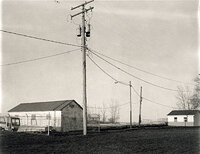
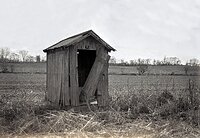


 If you meter the highlight and use that value (as you would if the subject is in direct light) then the shadows will likely be very dark (assuming here negative films not a slide).


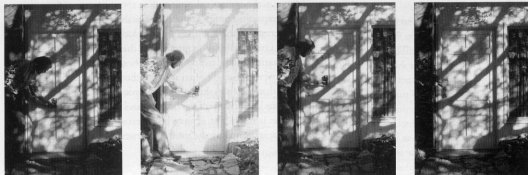
 .
. 