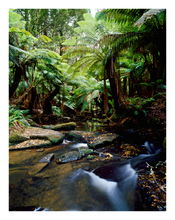
Ektachrome 100 is flexible enough to be prodded and caressed toward the appearance of Velvia 50 (but not RVP100) by being selective and thoughtful of the lighting your shoot it in. The dimwits who shoot this, and other E6 films in bright blinding daylight are the first to whinge long and loud about the poor results — and behind all this is a profound lack of understanding (a carelessness if you will) of how to use these films and the technique of considered exposure. For starters, a polariser in hazy to overcast light will dramatically enliven the palette with a distinctive "kodak-y" feel to it — distinct enough that it cannot be compared to Velvia, but is a very worthy contender in saturation, pretty much complementary to it, actually. Ektachrome 100 has very clean whites and rich, deep blacks with excellent tonal gradation. Nothing to sneeze at. Despite presumed heritage, it is a very different, more refined performer to the yucky and muddy E100VS that I reviewed back in 2004.
Takeaway is of you cannot get RVP50/100, then use Ektachrome 100. Importantly, knuckle down to the fine art of exposing it creatively so it delivers the results that please both you and the film.





 to sell digicams. I have plenty of film. Including most of a 400' roll of Ektachrome.