So, after twenty years of photography, I dug out my copy of The Negative and read the appendix on film testing.
It is a lot less complicated than I remember from years ago when I thought, "yeah, right."
I can can see with my highly calibrated eyeball that my film doesn't record zone I. It starts to be about right around 2/3 stops more exposure.
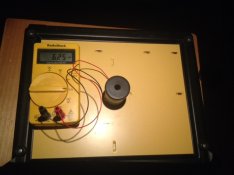
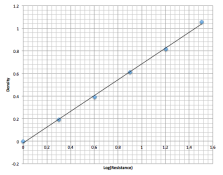
I'm headed to radio shack to get some photoresistors for a home brew densitometer to do a little measuring.
My motivation was that I was losing shadows on my prints, and that maybe with some rough calibration I can salvage some old film for at least snapshots and for the kids to play with. Also my new (to me) film cameras with good matrix metering were giving me very consistent negatives shot-to-shot that made printing much faster and easier. I think with a little more tweaking, I can get my negatives to behave even better. Plus my F100 has a good spot meter function, adding a little more science to the system.
Wish me luck.
J.
It is a lot less complicated than I remember from years ago when I thought, "yeah, right."
I can can see with my highly calibrated eyeball that my film doesn't record zone I. It starts to be about right around 2/3 stops more exposure.
I'm headed to radio shack to get some photoresistors for a home brew densitometer to do a little measuring.
My motivation was that I was losing shadows on my prints, and that maybe with some rough calibration I can salvage some old film for at least snapshots and for the kids to play with. Also my new (to me) film cameras with good matrix metering were giving me very consistent negatives shot-to-shot that made printing much faster and easier. I think with a little more tweaking, I can get my negatives to behave even better. Plus my F100 has a good spot meter function, adding a little more science to the system.
Wish me luck.
J.