




Andreas Thaler
Subscriber
Zoom lenses with manual settings are adjusted to change their focal length using either a rotating ring or a tube. To allow the lens to extend or retract, the moving parts slide along plain bearings in guide slots.
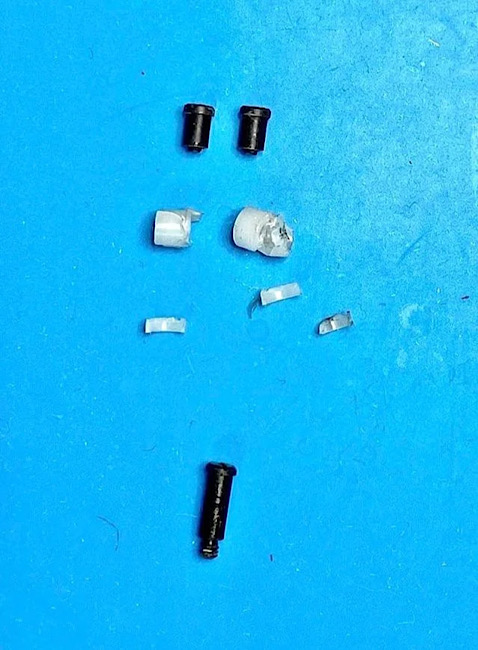
These plain bearings
are often made of plastic, which can break after decades of use. The broken pieces can then get stuck in the guide slots and block the zoom mechanism.
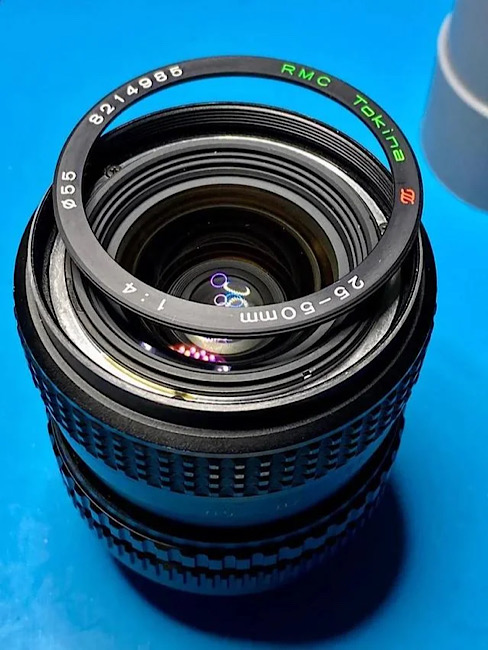
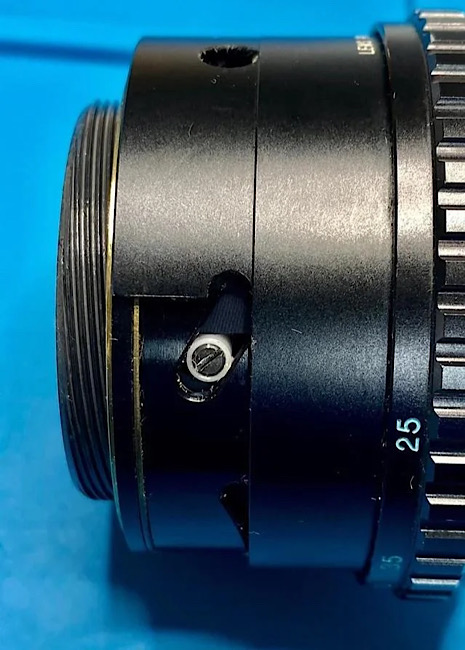
The only solution is
to disassemble the zoom lens and replace the plain bearings. To do this, their metal retaining screws must be unscrewed. If force is applied, these screws can also break, which complicates the repair.
Unfortunately
there is no standard size for plain bearings, meaning that different sizes are used in zoom lenses. Sometimes, however, you get lucky, and plain bearings from other zoom lenses can be used, as is the case here:
Tokina RMC 25-50/4: Zoom blockage fixed, plain bearings replaced, helicoids greased
Buying used zoom lenses
I therefore recommend checking that the zoom mechanism runs smoothly when buying used.
Jerky or stuttering movements indicate that the plain bearings are already damaged. However, the problem can also arise suddenly without warning. Heavily used zoom lenses are particularly prone to this wear and tear.
+++
 A word of caution
Please keep in mind that you’ll be using highly flammable solvents for service work, and their fumes are harmful to your health. Soldering also produces fumes that should not be inhaled. Dangerous high voltages can be present when handling electronics, especially in conjunction with electronic flash units and mains. Therefore, familiarize yourself with the safety regulations beforehand and ensure your safety. Depending on the activity, protective gear may be advisable.
All information provided without guarantee and use at your own risk.
Acknowledgments
Without the work of Master Larry Lyells, in particular, we wouldn’t have the detailed technical information we need today for service/repair of SLRs.
The SPT Journal and The Camera Craftsman, which he helped shape significantly as an author, and which contain all the necessary information and instructions are available for a fee through Learn Camera Repair.
We owe our access to them to Eugene Pate, the founder of Learn Camera Repair.
These plain bearings
are often made of plastic, which can break after decades of use. The broken pieces can then get stuck in the guide slots and block the zoom mechanism.
The only solution is
to disassemble the zoom lens and replace the plain bearings. To do this, their metal retaining screws must be unscrewed. If force is applied, these screws can also break, which complicates the repair.
Unfortunately
there is no standard size for plain bearings, meaning that different sizes are used in zoom lenses. Sometimes, however, you get lucky, and plain bearings from other zoom lenses can be used, as is the case here:
Tokina RMC 25-50/4: Zoom blockage fixed, plain bearings replaced, helicoids greased
Buying used zoom lenses
I therefore recommend checking that the zoom mechanism runs smoothly when buying used.
Jerky or stuttering movements indicate that the plain bearings are already damaged. However, the problem can also arise suddenly without warning. Heavily used zoom lenses are particularly prone to this wear and tear.
+++
A word of cautionPlease keep in mind that you’ll be using highly flammable solvents for service work, and their fumes are harmful to your health. Soldering also produces fumes that should not be inhaled. Dangerous high voltages can be present when handling electronics, especially in conjunction with electronic flash units and mains. Therefore, familiarize yourself with the safety regulations beforehand and ensure your safety. Depending on the activity, protective gear may be advisable.
All information provided without guarantee and use at your own risk.
Acknowledgments
Without the work of Master Larry Lyells, in particular, we wouldn’t have the detailed technical information we need today for service/repair of SLRs.
The SPT Journal and The Camera Craftsman, which he helped shape significantly as an author, and which contain all the necessary information and instructions are available for a fee through Learn Camera Repair.
We owe our access to them to Eugene Pate, the founder of Learn Camera Repair.
Last edited:


