I think the Suzuki paper explains that you end up with two images, two different metals, so that if environmental conditions cause one image to fade (probably the silver), there’s a chance the other image (silver selenide) might not. So in that sense protective toning is like insurance..
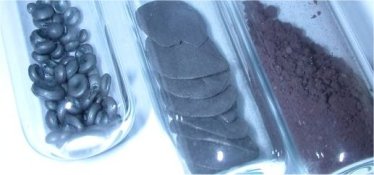
Which is a really weird reasoning if you look at what it means in practice. Imagine the silver-based image would bleach, what you're left with is a lower-density image (after all, the silver is partly gone) and one with a significantly shifted hue (due to the color of the finely divided silver selenide; see
@john_s's post above). I.e. you get a faded, severely color-shifted print. Not much of an insurance...unless the only objective is to maintain a somewhat recognizable image, and not so much a print that still 'works' as such.
The rationale I think is
supposed to be that the thin layer of silver selenide is
supposed to be at the surface of the silver strands that make up the image, and that this is
supposed to avoid deterioration of the silver beneath it. This leaves a range of questions unanswered - i.e. to what extent the silver selenide will indeed form a thin layer of sufficient integrity, and against which forms of deterioration of the actual silver this is supposed to protect. As to the latter, mechanisms like bleaching, sulfur-toning and 'silvering out' are rather different in terms of their mechanisms and hence, protecting against these effects involves a range of strategies, although there can be overlap between them such as avoiding excessive moisture.
I don't doubt mild Se-toning works
to an extent, but I have severe doubts as to the true efficacy that people attribute to very mild toning regimes.
Btw, note that sulfur works in the same way and is in fact chemically/physically similar to selenium in how it binds to the silver. Just a whole lot less obnoxious! The presence of thiosulfate in a selenium toner may very well constitute part of its protective effect due to disintegration of the thiosulfate over time, which acts as a very mild & slow toner. Similar to basically not washing your FB prints too thoroughly...
PS I use the Adox Se toner. AFAIK it's similar or virtually identical to the Kodak product. In any case, it seems to behave exactly like it.







 ) Vlad has not been seen since 2017


