FFullam
Member
"THE BIG PICTURE: MIDWEST LARGE FORMAT ASYLUM: LARGE FORMAT PHOTOGRAPHY"
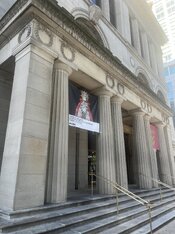
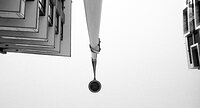
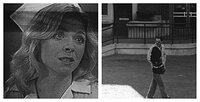
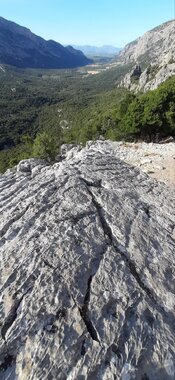
MWLFA is presenting its first gallery show this fall at the Renaissance Court Gallery in the Chicago Cultural Center. Over 60 large format works will be displayed in one of the most beautiful venues in Chicago.
Renaissance Court, Gallery Chicago Cultural Center
77 E. Randolph Street, Chicago, IL
August 4, 2026– October 2, 2026 Monday — Friday, 10:00 am to 5:00 pm
Artist’s Reception Thursday, September 24, 2026, 3:00– 5:00 pm
Hillary Irene Johnson, MFA, curator
*******The link has all the details********** https://midwestlargeformat.com/downloads/agenda_BigPicture2026.pdf
In addition to the gallery show, there will be eight events and presentations focusing on historical and contemporary large format issue.
History of Large Format Photography and the Wet-Plate Collodion Process Thursday, August 13, 12:30– 2:30 pm
Wet-plate collodion is one of the most important early photographic processes in the history of large format photography. Introduced in the mid-nineteenth century, the process involves coating a glass or metal plate with collodion, a syrupy liquid that is made light-sensitive before exposure. Because the plate must be prepared, exposed, and processed while still wet, the collodion process requires care, timing, and close attention from the photographer. It was widely used during the nineteenth century and shaped many of the earliest photographs we associate with the American Civil War, westward exploration, portrait studios, and public figures of the era. Overtime, it was largely replaced by photographic processes that were faster, more portable, and easier to use. Today, wet-plate collodion has experienced renewed interest among contemporary large format photographers. Artists are drawn to its demanding process, distinctive surface, and the way each image becomes a singular photographic object. Eric Nelson and D Anson Brody are photographers with deep experience in historic and contemporary large format processes. In this program, they will discuss the importance of collodion in photographic history and share what continues to fascinate them about working with the process today
Creating a Long-Term Photo Documentary Monday, August 17, 12:30– 2:30 pm
For many people, photographs are part of everyday life: images made quickly in the moment, often with a cellphone, to remember where we were, who we were with, or something that briefly caught our attention. These images are valuable records of daily experience. Longterm photographic projects, however, offer another way of seeing: one shaped by sustained commitment, and time. For more than three decades, Chris Walker has photographed youth culture through the setting of rural county fairs. He began the project 37 years ago using 35mm film. Within the first decade, he made a significant shift, choosing to continue the work with a large 8×10inch view camera. Though slower and more physically demanding, the large format camera offered a way of making images that felt more aligned with the depth, complexity, and visual presence of the story he wanted to tell. In this program, Walker will discuss the technical, aesthetic, and conceptual choices that shaped this acclaimed body of work, and will reflect on what it means to build a photographic project over many years.
Introduction to Large Format Photography: What’s the Big Deal? Thursday, August 20, 10:30 am– 12:30 pm
Since the beginning of photography in the 1830s, cameras have been used to make images on light-sensitive plates, paper, and later sheets of film. For much of photography’s early history, many commercial and artistic photographs were made with large cameras using materials measuring 4×5 inches or larger. As photographic materials improved and smaller cameras became more widely available, photography became increasingly portable and accessible to amateur photographers. This program offers an introduction to large format photography and the many reasons artists continue to work with these cameras today. Participating photographers will present their cameras, share examples of their work, and discuss what is distinctive about the large format process in an age of digital photography. The program will include a range of historic and contemporary cameras, including:
• 8×10 inch L.F. Deardorff & Sons cameras presented by Ken Hough Deardorffcameras were made in Chicago and became among the most respected large format cameras in the United States. Two early Deardorff cameras will be displayed: one used for commercial work, including photographing glassware for the Marshall Field’s Department Store catalog, and another associated with the important twentieth-century photojournalist Margaret Bourke-White.
• 5×7 inch camera and 4×5 inch Crown Graphic camera, presented by Carl Hartt
• Cirkut panoramic camera, presented by Drew Tanner
• Stereo camera, presented by Eric Nelson
• 20×24 inch ultra-large format camera, presented by Francis Fullam
The presentations will be followed by a panel discussion about the history, physical presence, technical possibilities, and continued relevance of large format photography.
Taking Your Own Large Format Self-Portrait Friday, August 21, 10:30 am– 1:30 pm
Participants are invited to experience large format photography firsthand by making their own self-portrait with a 4×5 inch view camera. Photographer Francis Fullam will provide the camera and direct positive paper, allowing participants to pose themselves and release the shutter to create a unique large format portrait. The photographs will be developed onsite at the Renaissance Court Gallery. Participants may wait while their photographs are processed or return later to pick them up. Space is limited to 20 participants, and advance registration through the Renaissance Court Gallery is required.
Making Your Own Cyanotype Thursday, September 10, 10:15 am– 12:30 pm
Cyanotype is one of the earliest photographic processes and is known for its distinctive deep blue color. Its name comes from the Greek word kyanos, meaning “dark blue.” Invented in1842, cyanotype was soon used by botanist Anna Atkins, whose book Photographs of British Algae: Cyanotype Impressions is considered one of the earliest photographically illustrated books. In this hands-on workshop, Ryan Zoghlin will introduce the cyanotype process and provide the materials participants need to assemble and expose their own images using sunlight. Participants will be able to take home their finished blue cyanotype prints and learn why this early photographic process remains popular with artists today. Space is limited to 24participants, and advance registration through the Renaissance Court Gallery is required.
Screening of "George Tice: Seeing Beyond the Moment" Monday, September 21, 12:30– 2:00 pm
George Tice was an influential postwar fine art photographer known for his work with the8×10 inch view camera. This 72-minute documentary, directed by Peter Bosco and Peter Odabashian, traces Tice’s development as an artist through interviews, archival material, and scenes of the photographer at work as he creates new images. The screening offers viewers an intimate look at Tice’s life, process, and enduring contribution to large format photography. Chicago premiere.
Reception: Come Meet "The Big Picture" Photographers Thursday, September 24, 3:00– 5:00 pm
Join us for a public reception celebrating The Big Picture, an exhibition of large format photography at the Renaissance Court Gallery. Visitors are invited to meet participating photographers, view the exhibition, and learn more about the processes, cameras, and ideas behind the works on display. This informal gathering offers an opportunity for conversation with artists whose work spans abstraction, landscape, portraiture, still life, documentary photography, and beyond. Light refreshments will be served.
Expanding Photographic Possibilities: Rethinking Motion and Space Monday, September 28, 12:30– 2:00 pm
Still photography has long shaped how we understand and depict motion. From the motion studies of Eadweard Muybridge to contemporary photographic experiments, artists and inventors have used the camera to reveal aspects of movement that the human eye cannot easily perceive. In this program, Seder Burns will discuss the historical relationship between still photography and the representation of motion, then introduce his current work with a large format digital scanning camera he has developed. Through a demonstration of the camera and a discussion of recent images, Burns will explore how this process expands photographic possibility and offers new ways of seeing movement through time. This project was made possible by support of the Stamps School of Art and Design at the University of Michigan
MWLFA is presenting its first gallery show this fall at the Renaissance Court Gallery in the Chicago Cultural Center. Over 60 large format works will be displayed in one of the most beautiful venues in Chicago.
Renaissance Court, Gallery Chicago Cultural Center
77 E. Randolph Street, Chicago, IL
August 4, 2026– October 2, 2026 Monday — Friday, 10:00 am to 5:00 pm
Artist’s Reception Thursday, September 24, 2026, 3:00– 5:00 pm
Hillary Irene Johnson, MFA, curator
*******The link has all the details********** https://midwestlargeformat.com/downloads/agenda_BigPicture2026.pdf
In addition to the gallery show, there will be eight events and presentations focusing on historical and contemporary large format issue.
History of Large Format Photography and the Wet-Plate Collodion Process Thursday, August 13, 12:30– 2:30 pm
Wet-plate collodion is one of the most important early photographic processes in the history of large format photography. Introduced in the mid-nineteenth century, the process involves coating a glass or metal plate with collodion, a syrupy liquid that is made light-sensitive before exposure. Because the plate must be prepared, exposed, and processed while still wet, the collodion process requires care, timing, and close attention from the photographer. It was widely used during the nineteenth century and shaped many of the earliest photographs we associate with the American Civil War, westward exploration, portrait studios, and public figures of the era. Overtime, it was largely replaced by photographic processes that were faster, more portable, and easier to use. Today, wet-plate collodion has experienced renewed interest among contemporary large format photographers. Artists are drawn to its demanding process, distinctive surface, and the way each image becomes a singular photographic object. Eric Nelson and D Anson Brody are photographers with deep experience in historic and contemporary large format processes. In this program, they will discuss the importance of collodion in photographic history and share what continues to fascinate them about working with the process today
Creating a Long-Term Photo Documentary Monday, August 17, 12:30– 2:30 pm
For many people, photographs are part of everyday life: images made quickly in the moment, often with a cellphone, to remember where we were, who we were with, or something that briefly caught our attention. These images are valuable records of daily experience. Longterm photographic projects, however, offer another way of seeing: one shaped by sustained commitment, and time. For more than three decades, Chris Walker has photographed youth culture through the setting of rural county fairs. He began the project 37 years ago using 35mm film. Within the first decade, he made a significant shift, choosing to continue the work with a large 8×10inch view camera. Though slower and more physically demanding, the large format camera offered a way of making images that felt more aligned with the depth, complexity, and visual presence of the story he wanted to tell. In this program, Walker will discuss the technical, aesthetic, and conceptual choices that shaped this acclaimed body of work, and will reflect on what it means to build a photographic project over many years.
Introduction to Large Format Photography: What’s the Big Deal? Thursday, August 20, 10:30 am– 12:30 pm
Since the beginning of photography in the 1830s, cameras have been used to make images on light-sensitive plates, paper, and later sheets of film. For much of photography’s early history, many commercial and artistic photographs were made with large cameras using materials measuring 4×5 inches or larger. As photographic materials improved and smaller cameras became more widely available, photography became increasingly portable and accessible to amateur photographers. This program offers an introduction to large format photography and the many reasons artists continue to work with these cameras today. Participating photographers will present their cameras, share examples of their work, and discuss what is distinctive about the large format process in an age of digital photography. The program will include a range of historic and contemporary cameras, including:
• 8×10 inch L.F. Deardorff & Sons cameras presented by Ken Hough Deardorffcameras were made in Chicago and became among the most respected large format cameras in the United States. Two early Deardorff cameras will be displayed: one used for commercial work, including photographing glassware for the Marshall Field’s Department Store catalog, and another associated with the important twentieth-century photojournalist Margaret Bourke-White.
• 5×7 inch camera and 4×5 inch Crown Graphic camera, presented by Carl Hartt
• Cirkut panoramic camera, presented by Drew Tanner
• Stereo camera, presented by Eric Nelson
• 20×24 inch ultra-large format camera, presented by Francis Fullam
The presentations will be followed by a panel discussion about the history, physical presence, technical possibilities, and continued relevance of large format photography.
Taking Your Own Large Format Self-Portrait Friday, August 21, 10:30 am– 1:30 pm
Participants are invited to experience large format photography firsthand by making their own self-portrait with a 4×5 inch view camera. Photographer Francis Fullam will provide the camera and direct positive paper, allowing participants to pose themselves and release the shutter to create a unique large format portrait. The photographs will be developed onsite at the Renaissance Court Gallery. Participants may wait while their photographs are processed or return later to pick them up. Space is limited to 20 participants, and advance registration through the Renaissance Court Gallery is required.
Making Your Own Cyanotype Thursday, September 10, 10:15 am– 12:30 pm
Cyanotype is one of the earliest photographic processes and is known for its distinctive deep blue color. Its name comes from the Greek word kyanos, meaning “dark blue.” Invented in1842, cyanotype was soon used by botanist Anna Atkins, whose book Photographs of British Algae: Cyanotype Impressions is considered one of the earliest photographically illustrated books. In this hands-on workshop, Ryan Zoghlin will introduce the cyanotype process and provide the materials participants need to assemble and expose their own images using sunlight. Participants will be able to take home their finished blue cyanotype prints and learn why this early photographic process remains popular with artists today. Space is limited to 24participants, and advance registration through the Renaissance Court Gallery is required.
Screening of "George Tice: Seeing Beyond the Moment" Monday, September 21, 12:30– 2:00 pm
George Tice was an influential postwar fine art photographer known for his work with the8×10 inch view camera. This 72-minute documentary, directed by Peter Bosco and Peter Odabashian, traces Tice’s development as an artist through interviews, archival material, and scenes of the photographer at work as he creates new images. The screening offers viewers an intimate look at Tice’s life, process, and enduring contribution to large format photography. Chicago premiere.
Reception: Come Meet "The Big Picture" Photographers Thursday, September 24, 3:00– 5:00 pm
Join us for a public reception celebrating The Big Picture, an exhibition of large format photography at the Renaissance Court Gallery. Visitors are invited to meet participating photographers, view the exhibition, and learn more about the processes, cameras, and ideas behind the works on display. This informal gathering offers an opportunity for conversation with artists whose work spans abstraction, landscape, portraiture, still life, documentary photography, and beyond. Light refreshments will be served.
Expanding Photographic Possibilities: Rethinking Motion and Space Monday, September 28, 12:30– 2:00 pm
Still photography has long shaped how we understand and depict motion. From the motion studies of Eadweard Muybridge to contemporary photographic experiments, artists and inventors have used the camera to reveal aspects of movement that the human eye cannot easily perceive. In this program, Seder Burns will discuss the historical relationship between still photography and the representation of motion, then introduce his current work with a large format digital scanning camera he has developed. Through a demonstration of the camera and a discussion of recent images, Burns will explore how this process expands photographic possibility and offers new ways of seeing movement through time. This project was made possible by support of the Stamps School of Art and Design at the University of Michigan