There’s something quietly magical about rangefinder cameras, especially when I think back to the early 1990s. In that era, Leica offered the M6 as a standard, almost humble tool in their lineup, even as the R8 and R9 pushed the boundaries of technical innovation. The M6 felt like a melancholic artefact of the past - simple, deliberate, and utterly present -- reminding the photographer that composition is an act of attention, not of convenience.
This duality....between tradition and innovation....was not unique to cameras. Revox still produced the B77 reel-to-reel tape recorder while embracing the CD player. Jaguar carried on with the Daimler Double Six Series 3, its lineage stretching back to the late 1960s, even as BMW and Mercedes experimented with early navigation systems. Rolex offered the rare 16520 chronograph, a niche masterpiece within a range of modernized watches. Across industries, these objects embodied a balance: honoring the past while tentatively exploring the future.
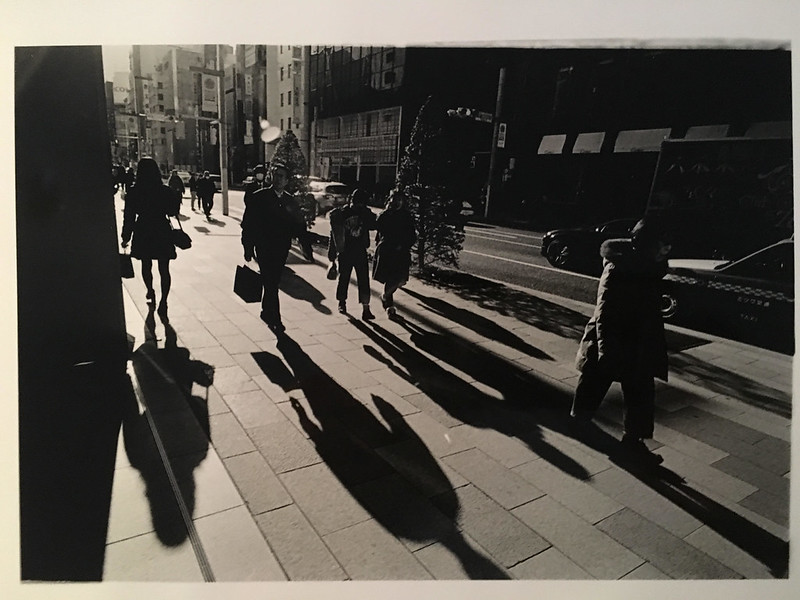
For me, shooting a rangefinder is a meditation on that balance. There is no autofocus, no digital review, no menu labyrint...only the quiet, precise act of framing and capturing light. Each shot demands patience and presence, and in return, it offers a depth that faster, flashier systems rarely achieve. The rangefinder teaches you to slow down, to notice the interplay of shadow and form, to respect the craft.
Ultimately, the M6 and its peers are more than tools : they are objects that carry memory, craftsmanship, and a subtle defiance of obsolescence. In an age of relentless technological acceleration, they remind us that some things are worth preserving for the clarity, the thought, and the simple pleasure of doing them well.
And the 1990s...what an era!