Yes please.
@Nikon 2 adding saturation to a monochrome image is in itself a meaningless action. I'm not too surprised that you run into an unintended effect.
I suspect that what you might be trying to do is adding color toning to your monochrome images. So something like sepia toning, or even a split-toned effect. Here's an example of what I mean:
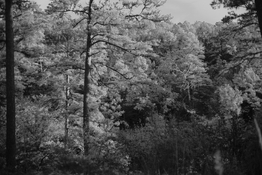
Original monochrome image:
View attachment 414100
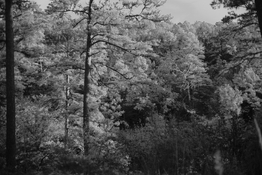
Sepia toned:
View attachment 414101
Split-toned (cool shadows, warm highlights):
View attachment 414102
I've exaggerated the toning for sake of the example. It's arguably too much, but this is just to get the point across.
I did this by starting with a monochrome image (in JPEG format), which I then converted into RGB color space. I then used the Curves tool for the toning effects, by adjusting the red and blue curves separately.
Manipulations like these can be done even on old hard- and software since the necessary features and computing power have been around for decades. So your old computer does not have to be a problem (btw, I made the examples above on a Windows computer that's ca. 12 years old).