


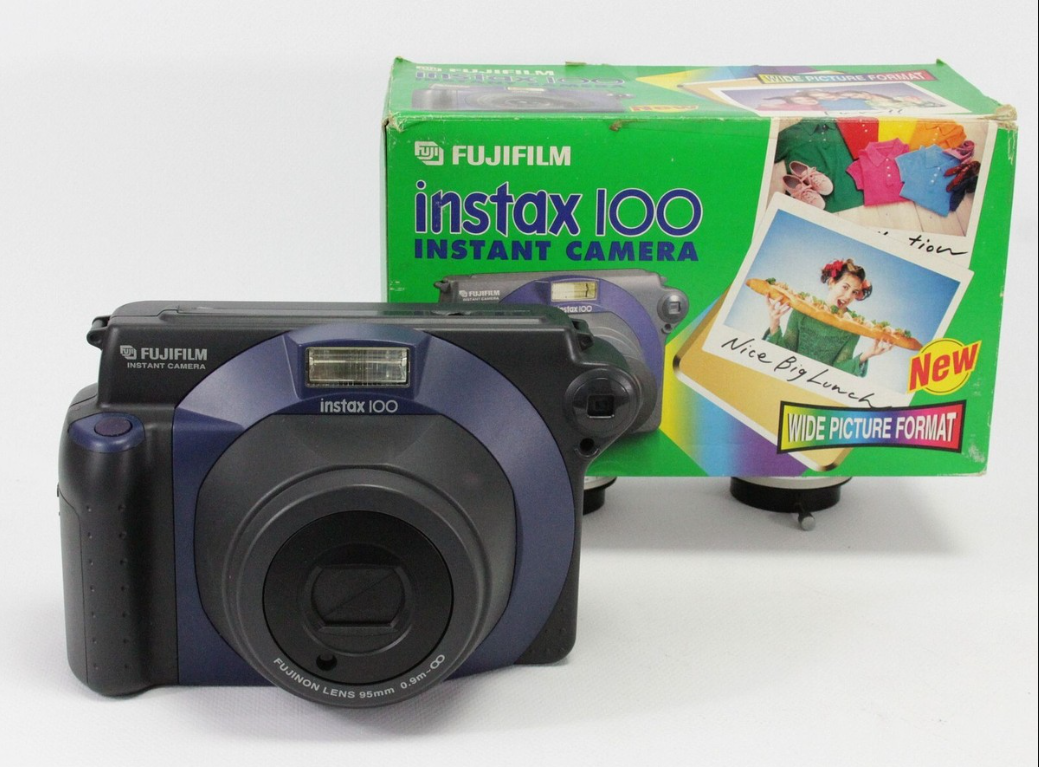
I recently bought a 1999 Fujifilm Instax 100 because I found one for only $20. I’ve never owned or used an instant camera before, so now I’m curious: is the experience of shooting with one actually worth it?To be honest, after seeing some Instax photos from friends, I thought the image quality looked a bit rough at times. In many shots the background is completely blown out while the subject ends up very dark. I’ve also noticed that a lot of scanned Instax photos online seem to have visible Newton rings, which honestly drives me crazy lol.Because of that, I’m still undecided whether I should actually go out and shoot with the camera or just leave it on display in my room as a cool vintage piece.Does anyone here have experience with the Instax 100? I’d really appreciate any tips for getting better results, especially when scanning Instax photos. And if anyone has high-quality scanned Instax examples, I’d love to see them shared here on the forum.I have a feeling this little experiment is going to be fun either way lol.
-
Welcome to Photrio!Registration is fast and free. Join today to unlock search, see fewer ads, and access all forum features.Click here to sign up
I bought a 1999 Fujifilm Instax 100
-
A
- Thread starter Pedroga
- Start date


Recent Classifieds
-
For Sale Hasselblad X Pan w/ 45mm/f4 Lens
- Started by eftones
-
For Sale 6 antique French pneumatic shutters _ Guerry
- Started by Manual Camera
-
For Sale Voigtländer Nokton Classic 35mm/1.4 with Leica M-mount
- Started by Klaus Mähring
-
For Sale Voigtländer Bessa R2 Special Edition Olive Green
- Started by Klaus Mähring
-
For Sale FS: Horseman Cable Release
- Started by B.S.Kumar
Forum statistics



| Photrio.com contains affiliate links to products. We may receive a commission for purchases made through these links. To read our full affiliate disclosure statement please click Here. |
PHOTRIO PARTNERS EQUALLY FUNDING OUR COMMUNITY:  |