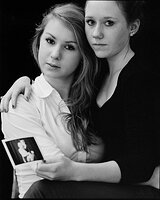
Just curious. Can't find anything on the net or on here about this. I know what filters do and by theory a blue filter should enhance blemishes and darken skin tone, but am I right?
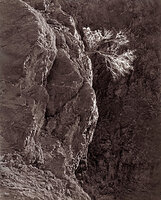
The 80B filter is usually used for balancing the color temp of tungsten light sources for daylight-balanced color film (which is just about every color negative or transparency film still available.)
Used with B&W film, it will likely have at least some of the effect you describe. Number 47B filter ("tricolor blue") is a very dark blue filter, which would produce the effect even more dramatically.
I think you are correct. I've used a medium yellow filter on Caucasian portraits; it works well to give creamy-looking skin. I've read of people using green for portraits [not sure of the advantages]. Using blue should simulate using orthochromatic film, and certainly reds and pinks will darken. It's certainly easy to darken skin tones when printing - simply by not allowing for dry-down with fiber-based paper.
#47 is the "actual" blue filter, with a nice cutoff of other wavelengths. I always use #80, however. It does not aim to exclude any wavelength; just increases the amount of blue that passes in relation to all other wavelengths. It is designed this way because it is a filter specifically made for color films. It's intended purpose is to allow the use of daylight-balanced films with tungsten lamps (which emit orange light), without the multiple layers of the film being so mismatched in density. Thus, it has the same basic effects as a #47, but more mild, because the other colors are not totally blocked.
Photrio.com contains affiliate links to products. We may receive a commission for purchases made through these links. To read our full affiliate disclosure statement please click Here.