

BTW Znerken, how are you printing?
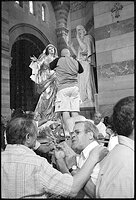
BTW Znerken, how are you printing?

Not trolls, most people just like thinking they are right. They may be right for themselves, they may even have a chip on their shoulder, but that doesn't necessarily translate to being right for you too.
As to which lab?
In your situation, considering two separate labs, IMO by far the biggest differences you will ever see between any two Tri-X films sent to separate labs will be because of the people doing the work, not because of the difference in any chemical they use.
Directly from Lightroom
Sent from my iPhone using Tapatalk

Hey everyone. I have fallen in love with film. For years I have been unhappy with the digital black and whites, and then finally I found tri-x. It feels so good for me to not worry about new camera releases and gazillions of megapixels... Anyway, to the question:
I wonder if you recommend DDX or Rodinal 1:50 for tri-x 400 pushed to 800 or 1600.
I would suggest you try some developed normally and adjust contrast in LR.
Pushing does not change film sensitivity.

But I miss some answers to my earlier questions:
1. What do you mean normally?
2. What is the typical look you get with Rodinal 1:50 @ tri-x 1600? Especially what's the difference from DDX?
Sent from my iPhone using Tapatalk
1 No push.
2 It's all in the choices you make when printing.
1 No push.
2 It's all in the choices you make when printing.
You will find the look most people are after is fine grained and rich in detail. When asking about a developer or technique that differs from this, people tend to dump on it.
Rodinal get's a bad rap from people that try it a couple of times and walk away after not getting what they want.
I started with D76 way back in the 70's and was told to stick with a developer until you know all it can do. And I have with every developer I have tried. Some I have tamed, some I have not.
I would really suggest you learn how to get what you want with the developer you are using now. It will make you a better photographer. Being able to see your shot get processed before the shutter clicks is a sure fire way to get what you actually want.
But if we are talking purely about the negative? I would guess Rodinal has more pronounced grain as it isn't a fine grain developer but a general developer?
Sent from my iPhone using Tapatalk

You are worried about mice when there are bears in the room.
Haha, now I don't understand anything. You, sir, make me even more confused
Sent from my iPhone using Tapatalk

If you are printing digitally then just use any digital camera from the last five years and fake the look in software. That is basically what you are doing currently, but cheaper.
To see more grain, use less negative. Use a wide lens and crop heavily.
I don't agree with this.
Thank you. As I am not currently developing myself I almost always see the end picture I want when I take a picture. Then I try to come back with that when I edit the scanned photos. I drag the clarity slider a lot, which gives me the gritty look I am after. If Rodinal gives me this straight out of the camera, that would of course be better.
Sent from my iPhone using Tapatalk
It sounds as if you have the answer in the last line of the quote. Give Rodinal a try and see if it gives you what you want.
pentaxuser
It sounds as if you have the answer in the last line of the quote. Give Rodinal a try and see if it gives you what you want.
pentaxuser
The situation where pentaxuser's suggestion works with regard to contrast is when you are printing via an enlarger to a specific paper grade. You need a specified target.
There are ways to do similar things in the digital world but the specifics of that are off topic here. I will say that pushing the film is not generally necessary to accomplish that.

| Photrio.com contains affiliate links to products. We may receive a commission for purchases made through these links. To read our full affiliate disclosure statement please click Here. |
PHOTRIO PARTNERS EQUALLY FUNDING OUR COMMUNITY:  |