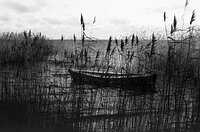
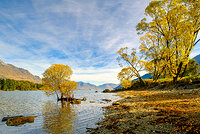
I like using old lenses. Just because I could, I tested my 1958 Leitz Focotar 50mm f/4.5 (a 5-element Triplet for this version as I recall) against my 1954 50mm f/4.5 Kodak Enlarging Ektar (a 5-element Heliar). Both lenses were stopped down to f/11 (the Kodak published sweet spot for the Ektar) and installed them in my Omega D-II with a 35mm negative enlarged to 8x10 (about 7x enlargement if my math is correct). To my non-scientific, highly subjective assessment, I felt the Ektar was sharper in the "in-focus" areas of the print but the Focotar rendered the bokeh better. That might be surprising to some and others may come to a different subjective assessment using this exact equipment. It is important to say that both prints were highly acceptable. Without knowing which lens printed which picture, I doubt all but the most observant expert could tell the difference. In short, if you had either of these lenses, your results would be very, very good.
A more interesting test however was Ansel Adams flare test mentioned in "The Print". Adams indicated that coated lenses were superior to uncoated lenses for their reduction of flare. I'm fairly certain most (all?) decent lenses today are coated and this test is moot. However, his test did demonstrate one fact about using lenses wide-open. I used his test of punching a sharp hole in a piece of cardboard and exposing a scrap of paper for 5s and processed it normally. I employed my 1944 uncoated 100mm f/4.5 Kodak Enlarging Ektar and a 1947 coated Ektar of the same type. Wide open (f/4.5), both lenses created significant flare that spread noticeably outside the image of the sharp punched circle. Stopped down (f/11), flare was very well controlled in both lenses. The coated lens (obviously?) won out on the test...but just barely. For most enlargements, I'd say it would be hard to tell the difference which lens was used.. It may be a more significant factor in high contrast imagery or enlargements than 10x or so but I didn't test to those conditions. What the test did effectively demonstrate was that wide-open one can expect flare to be less controlled in any lens and could expect a potential impact on the separation of tonal values.
My humble opinion therefore is: If you're getting prints you like, you're equipment is not just satisfactory - it's great. If you think you could do better, make a controlled adjustment or try another lens. Would I get better results if I switched to a modern Gauss/APO lens, who knows? I'm very satisfied with the prints I get. The posts here by persons far more experienced than I suggest that most decent quality equipment will provide nearly indistinguishable results. Therefore, unless you need a lens that performs in a superior manner for a precise type of work or conditions or you like the satisfaction that test data provides you, you'll likely be chasing perfection that may not be achievable.