
This subject has probably been done already quite a bit, but I just thought I'd ask: Do you have any special film / developer combo for achieving great dynamic range?


This subject has probably been done already quite a bit, but I just thought I'd ask: Do you have any special film / developer combo for achieving great dynamic range?
This subject has probably been done already quite a bit, but I just thought I'd ask: Do you have any special film / developer combo for achieving great dynamic range?

Actually with negatives, the practical limiting factor of dynamic range is the paper you choose print on, not the film or developer.
Negative film itself normally covers a much wider range than the paper can print.
However since one can adjust the tonal range of the print by dodging, burning and selecting the appropriate paper contrast grade and negative development time, one may still require that the film have a significantly wider exposure range than the 6 stops or so of the print.

In other words, why would one film be better than the other since all have more than 6 stops?

This subject has probably been done already quite a bit, but I just thought I'd ask: Do you have any special film / developer combo for achieving great dynamic range?

That's nonsensical myth promulgated by tech heads. The "secret" to achieving great dynamic range, however that may be defined, begins with shooting (i.e., exposing your negative to) good light. And that's not much of a secret. Try reading The Negative by Adams instead of polling photo forums. Any film/developer combination will give you good results given that simple preamble.


plus 1
without a handle of lighting you are nowhere.
If one can get say 15 stops on film it could be compressed to 6 stops on paper with good local contrast , by dodging and burning (I think).
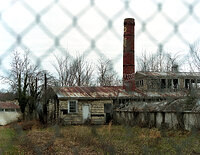
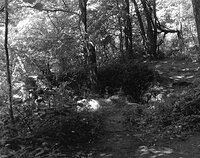
The attached was on TMY in one of the developer types indicated in Michael's thread,so far I have only done it electronically but it may be possible on silver gelatin paper.
It's a valid question, here's what Adams noted,"The Negative" p83:This subject has probably been done already quite a bit, but I just thought I'd ask: Do you have any special film / developer combo for achieving great dynamic range?

It's a valid question, here's what Adams noted,"The Negative" p83:
" In addition to expansion and contraction, other modifications of development procedure can sometimes be helpful in controlling image contrast and tonal values. A compensating developer........allows full exposure of a contrasty subject, while preserving separation in high values."
So it is in full agreement with Adams that there should be ongoing work on compensating developers, unless one believes that everything that can be done has already been found in the past.

| Photrio.com contains affiliate links to products. We may receive a commission for purchases made through these links. To read our full affiliate disclosure statement please click Here. |
PHOTRIO PARTNERS EQUALLY FUNDING OUR COMMUNITY:  |