
The suggestion to use diafine is great. It is probably the best thing you can do.
However, that wouldn't be "pushing", just the best option for you, having underexposed your film by at least 2 stops (more like 3, really because even 400 iso is pretty optimistic for XXX. Most people I know use it at 250, or maybe 320. I adjust the speed to correspond to needs of the developer I'm using.). The theory behind "pushing" is that you can compensate for underexposure by overdeveloping. This is just a little bit less likely to succeed than well, buying a lottery ticket, unless you really understand what you are doing. Then, you wouldn't be underexposing at all; you would be exposing and developing by design to achieve a result that you can predict with some assurance of success.
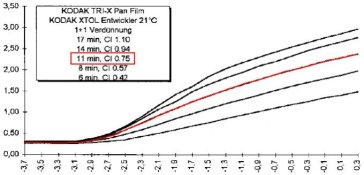
This idea that one can compensate for underexposed film by overdeveloping is an unfortunate fantasy. In doing so in a situation in which, if I understand you correctly, you need to reduce the contrast, you've created a real contradiction to your intent. You are not going to be able to reduce contrast by overdeveloping! Overdeveloping increases contrast. Development builds contrast. So, in the shooting, you've committed yourself to increasing the contrast, when that is the last thing you probably would want to do.
It's hard to bring this kind of news, especially noting that your question was your first post. I want you to know that all of us have done precisely this same kind of thing in our careers at some point. When I was beginning, nobody was around to help me understand this. They were around to misinform me. It was terribly frustrating. I tried and tried; they said it would work, but obviously, it did not.
To make it worse, the popular press and even some textbooks used in photo courses perpetuate this fallacy, making it look simple when it just isn't. Even authors whom I know understand this because I know their teachers (like the author whose book I use in my own course - I won't mention names) put in a page or short chapter on it, casually, usually without explaining what is really going on. I think that it is such a sacred cow that publishers must insist on it, and the authors put it in against their better judgment. In my courses, I caution my students about it and explain to them why it does what it does and doesn't what it doesn't.
There are times when making the choice to sacrifice shadow detail in favor of achieving a usable image does make sense. Learning what these circumstances are takes thought and experience. Usually, people do this in precisely the wrong situations. You certainly are not alone. You have big company here.