
• Welcome to Photrio!
    Registration is fast and free. Join today to unlock search, see fewer ads, and access all forum features.
    Click here to sign up

Overmatting

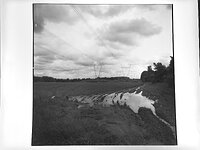
Puddle

Puddle

  • 1
  • 2
  • 37

Recent Classifieds

Forum statistics

Threads
202,716
Messages
2,844,619
Members
101,485
Latest member
minhnk1990
Recent bookmarks
2

rjas

Member
Allowing Ads
Joined
Jan 4, 2006
Messages
227
Format
Medium Format
Does anyone here present framed, drymounted, and otherwise finished prints without an overmat? I did it all of the time, but from browsing art sites it seems that almost every photo I've seen that is mounted also has a window mat. I actually don't like the look of an overmat on my prints - will a gallery owner look at them as unfinished?
 
I would never present a print without an overmat, although other might. The main purpose of the overmat is to give the print a layer of air over it to shield it from the glass or other cover. As a general rule, I think a sold or otherwise presented print should be "ready to frame" without the buyer having to do anything else to it (like really ruin your print with a hideous overmat!).
 
Yes , indeed.
I saw a show of Ed Burtynsky work at the Art Gallery of Ontario, 40x50 inch prints drymounted to rag board , no overmatt, At the proper viewing distance one could not tell they were not overmatted.
I have produced shows this way for many clients.
As well sitting back mounted prints from the glass with the image bleeding to the edges is very popular.
Mounting fibre prints to artcare foam and reverse bevelling the edges and then floating the mount on an over size backing with the glass away from the work is also popular.

For smaller prints though I always prefer overmatts and 8py rag is my choice.
As long as you are using good materials there are many unique and acceptable ways of presenting your work.
 
In traditional gallery style framing for photography the overmat helps isolate the picture from the frame and other surroundings so the picture is standing on its own with no distractions. Art is art and there are no rules except those imposed on you by the gallery owner which you should follow in the hopes that the gallery owner is in tune with his/her market. The only critical issue is the print should not be touching the glass or acrylic unless it is actually permanently mounted to via facemounting. With no mat, you can use a spacer. One other advantage from an archival standpoint is the mat will keep the print away from a wood frame which is acidic although the frame can be sealed to prevent it causing damage.
 
sometimes it's appropriate and sometimes it's not. It depends on the artist and what they want to convey. it tends to be more common with 'consumer-level' fine art. You tend not to see mats in 'higher-end' or contemporary art/photography, imo. It's kind of a 'modern'* thing.

*i.e. - relating to modernism - stuff from the 1880s or so up to the early 60s..
 
Photrio.com contains affiliate links to products. We may receive a commission for purchases made through these links.
To read our full affiliate disclosure statement please click Here.

PHOTRIO PARTNERS EQUALLY FUNDING OUR COMMUNITY:


Ilford ADOX Freestyle Photographic Stearman Press Weldon Color Lab Blue Moon Camera & Machine
Top Bottom
