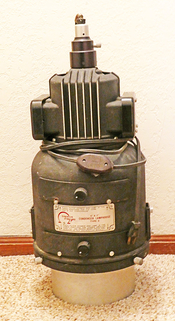
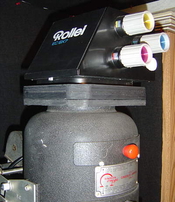
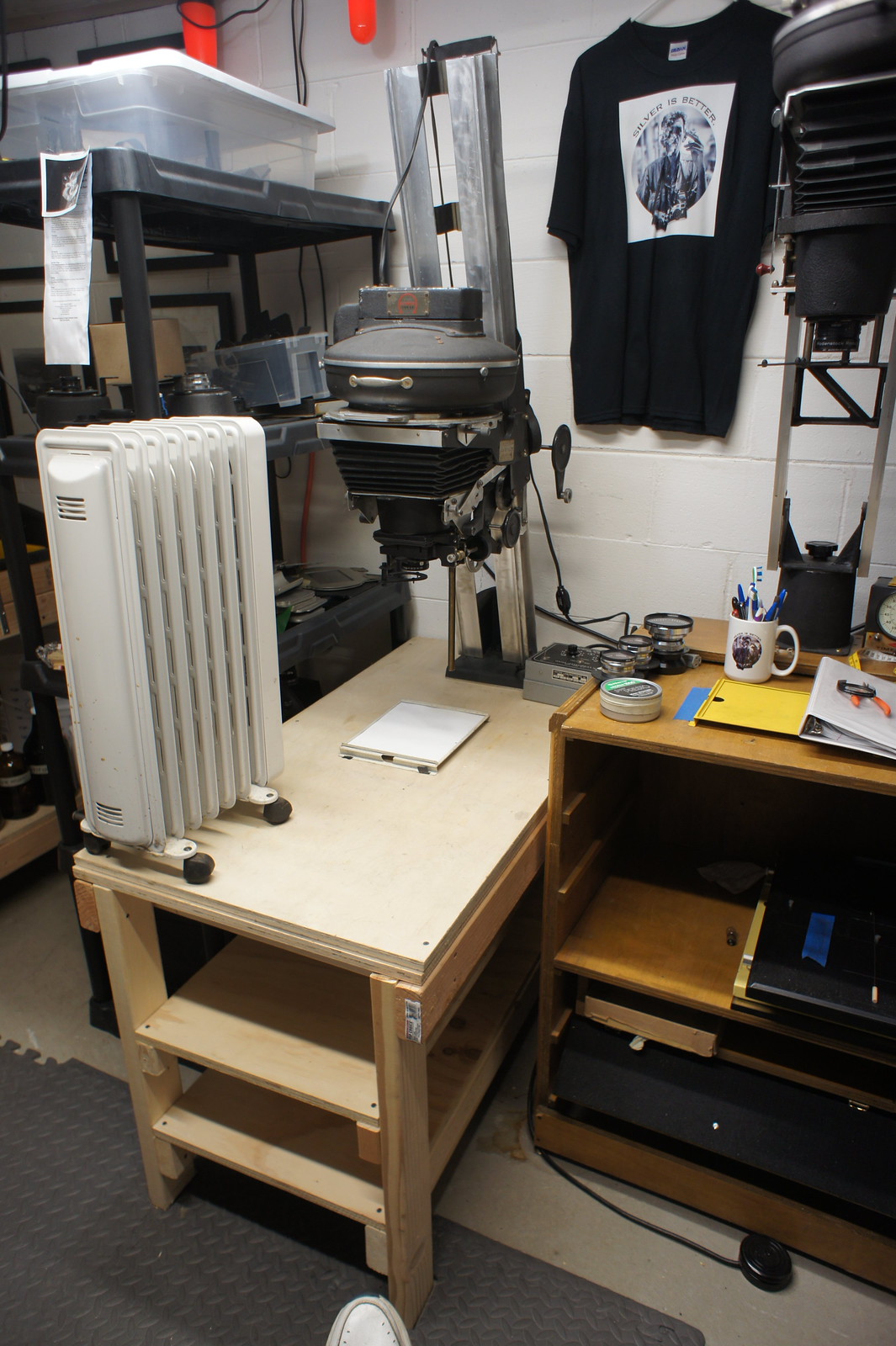
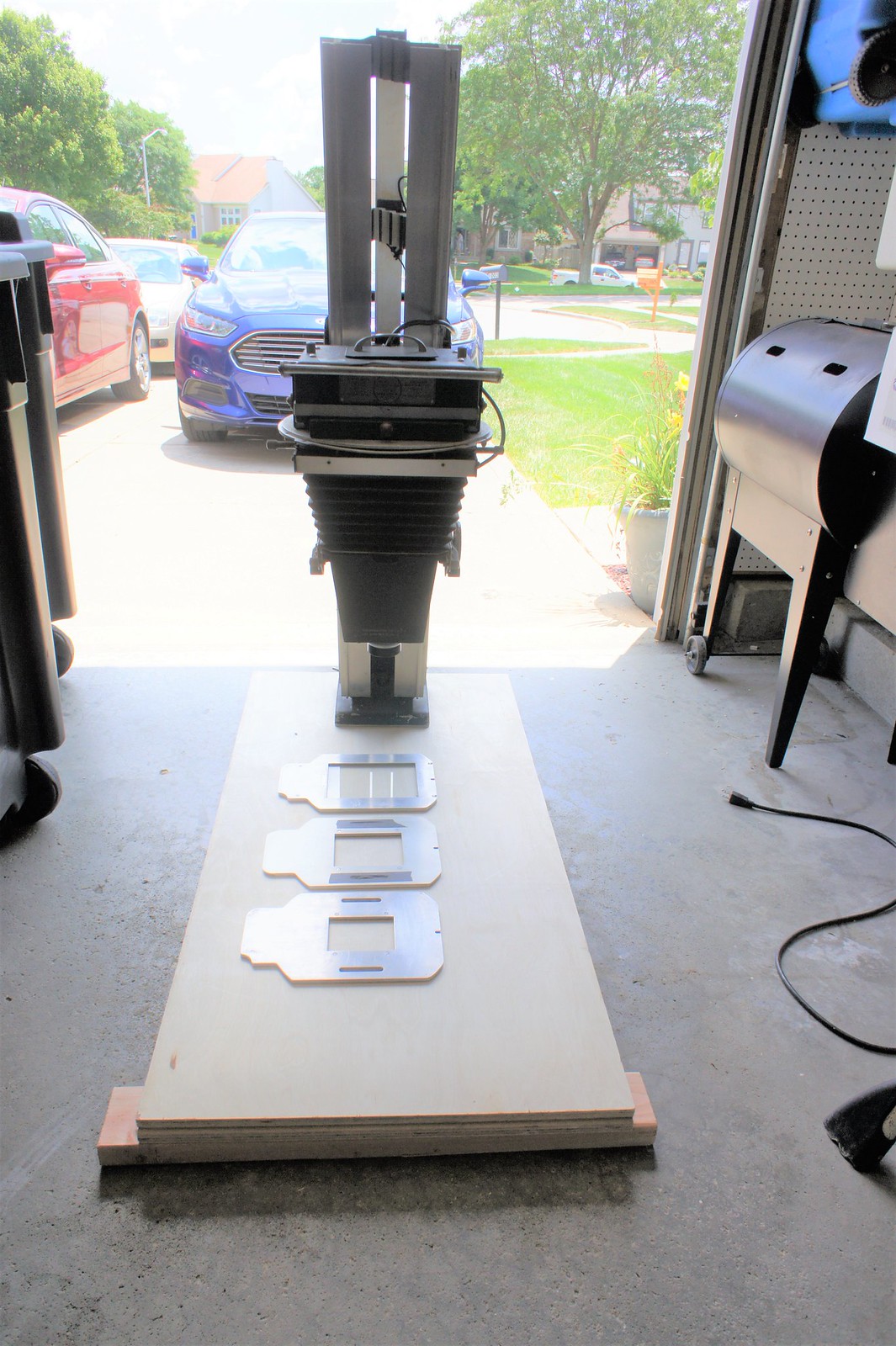
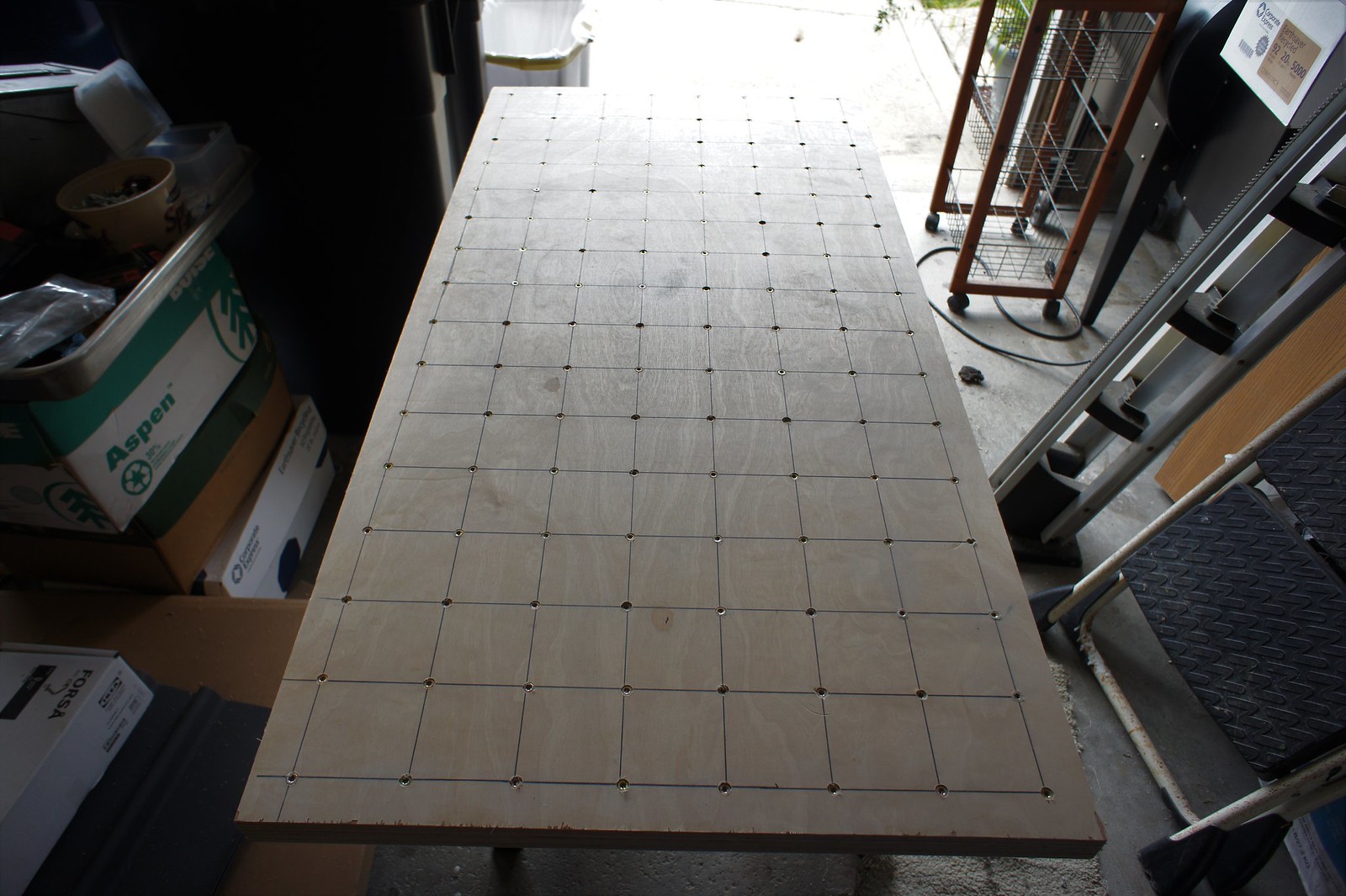
I've written about the two granite baseboards I have on a Leitz Valloy II and an Omega Pro Lab 4"x5" and I suggest you look into trying one for your own baseboard.
Mine are made from a natural stone, three centimeters thick and both were tapped with through holes matching the single column designs of both.
I simply chose the surface size by casual observation of the baseboards that came with several Omega D's 4"x5" and a 5"x7" E-5, and stay on top of the 24" deep bench top to my self-made eight foot long.
These were made of cut-offs of larger sheets of rock, already paid for and left at the granite counter top shops by the buyer who does not have a want or need for a large piece of refuse, so you should be able to find your own at a reasonable price, just have several very fit young men to handle it into place, no kidding here.
The edges of these baseboards have rounded top edges and corners, and usually a rough flat bottom and there are care products that will seal and protect their surfaces from most activities that'll be undertaken in the darkroom and they are easy to keep clean.
I use self adhesive cork spacer feet in the mounting of the board to the bench, easily lifted to a hight that will allow a pen or pencil to roll underneath easily.
Just be sure to place more than four feet under the board and make sure the bottom center area is well supported too.
I suppose the easiest way to guess at a baseboard size is to take the film carrier in the size you're wanting to print at its largest and with the enlarger temporarily mounted to its table top or bench, and the carrier mounted in the lamp head, turn on the enlarger's white light, from the tallest position, plus some additional hight for luck, and measure the possible areas for baseboard size in both vertical and landscape positions, reducing the head hight as needed, to stay on the bench.
Heavy granite baseboards are easy to make, for single column enlargers, and give great stability to the enlarger and easel on a strong enough bench or table.
Cheers