




Andreas Thaler
Subscriber
I considered the best approach for turning two defective Nikon F4 into one working camera.
The decision depended on the condition of both SLRs and is based on a check.
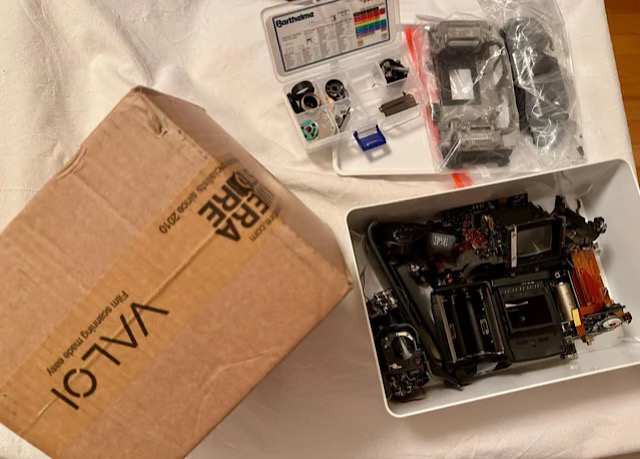
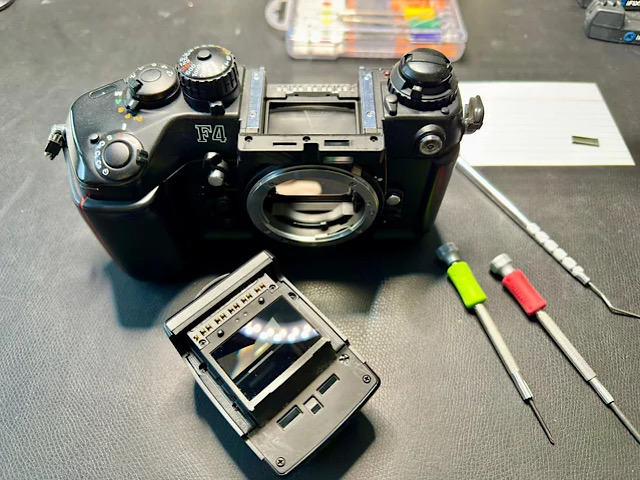
The shutter of F4 #1 did not work properly. The shortest exposure time of 1/8000 second could not be measured on the camera tester.
But the shutter of F4 #2, which was intended as a replacement, also turned out to be defective.
I therefore decided to replace the smaller display on F4 #1 (donor: F4 #2) which had leaked and was no longer readable. This F4 can also be used for my photography work without 1/8000 second.
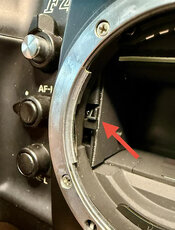
I also noticed that the DP-20 viewfinder could only be pushed onto the camera with resistance.
LCD
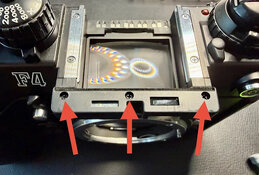
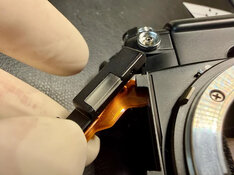
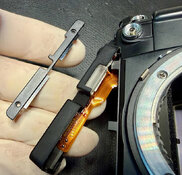
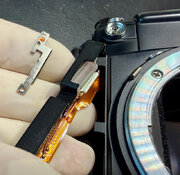
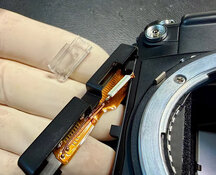
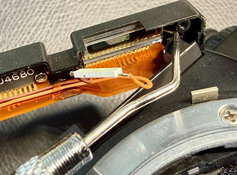
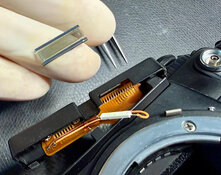
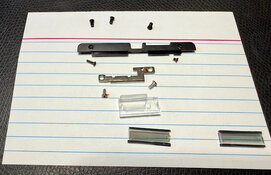
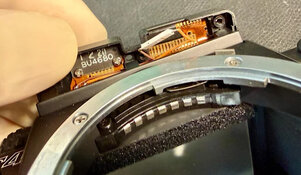
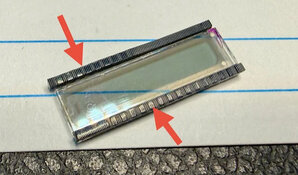
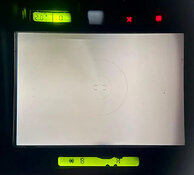
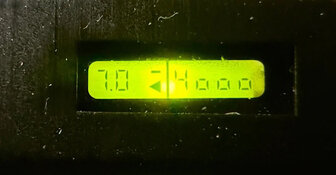
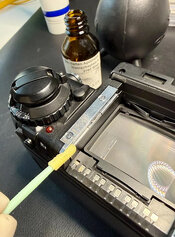
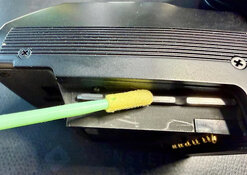
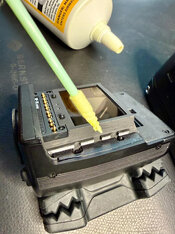
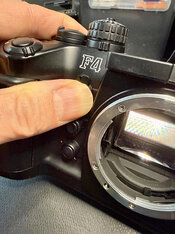
I replaced the smaller LCD screen in the F4. The pictures show the process in chronological order.
The replacement LCD is fault-free and displays all digits.
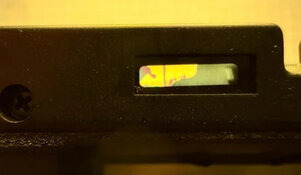
For comparison, you can also see the replaced LCD, which shows the typical discoloration. Nothing can be repaired here.
Note:
The decision depended on the condition of both SLRs and is based on a check.
The shutter of F4 #1 did not work properly. The shortest exposure time of 1/8000 second could not be measured on the camera tester.
But the shutter of F4 #2, which was intended as a replacement, also turned out to be defective.
I therefore decided to replace the smaller display on F4 #1 (donor: F4 #2) which had leaked and was no longer readable. This F4 can also be used for my photography work without 1/8000 second.
I also noticed that the DP-20 viewfinder could only be pushed onto the camera with resistance.
LCD
I replaced the smaller LCD screen in the F4. The pictures show the process in chronological order.
The replacement LCD is fault-free and displays all digits.
For comparison, you can also see the replaced LCD, which shows the typical discoloration. Nothing can be repaired here.
Note:
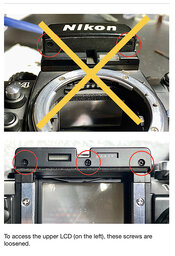
- There are no complications, you just have to be careful not to damage the flexible circuit board on which the LCD sits in a housing when pulling it out a little to work on it.
- On the LCD, which is made of glass, there are two conductive rubber strips that provide the electrical connection to the contacts in the housing. Be careful when removing the LCD that these strips do not come off.
- I used an angled pointed probe to carefully lift the LCD on one side.
- The indentations in the conductive rubber strips from the pressure of the contacts show how it must be inserted.
- All parts fit together seamlessly; if something does not work, check that everything is in position.
- I strongly recommend always working in accordance with ESD (Electrostatic discharges) standards when opening electromechanical SLRs, i.e., preventing electrostatic discharges that can damage ICs. See also ESD safe working on electronically controlled cameras.
Last edited:


 A word of caution