

nikon-nut99
Member
- Joined
- Oct 3, 2013
- Messages
- 1
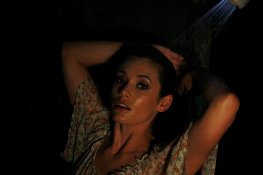
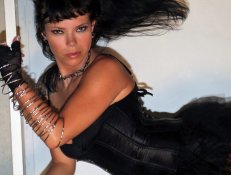
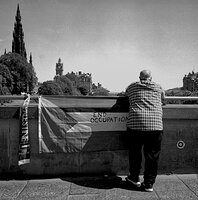
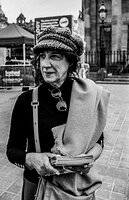
I'm a photographer who, because of Lupus, has had to stop my professional work these past three years. But I still shoot fine art and some portrait work now that I'm feeling better, just when I feel good. Here's the rub. I 've had worsening double vision for the past year. Now I've been told by the Mid south's expert that they cannot operate and fix my complex problem due to certain complex reasons. So, my distance vision (any further than three feet) is variably blurred and double with different intensities day by day. So
E days are better than others. But they've told me it will continue to worsen. Basically, my vision is shot. No more wedding work or anything fast. Does anyone have suggestions or advice or stories of others who have this and /or suggestions on how I can co.tongue to photograph for myself and even with an assistant to help measure distance s? I'd already gotten in to pin hole photography which I love. Also had started experimentin g with Holgas, Diana +F cameras and their fisheye.... bought the Lomo Belaire 6x12 all because u set distance with just two choices. But I thought maybe if I memorized my depth of field settings on my lenses (or used an app I found.d which lists this I.go per lens) that with the help of a laser distance gadget I might be ae to adjust my lens properly or have my assistant measure it for me. I'm just spouting off things I thought of. I want to continue my photography but know many things I did before are out of course. Ill be legally blinded.d. But will always be able to see light and color. Just is blurred worse some days than others and everything is either doubled or has a shadow above instead of a drop shadow. It used to just be a shadow above but now it's distinct double side by side. Unfortunate the disease Lupus has attacked the muscles in my eyes and three craniAl nerves. Told u it was complicated. But I won't give this up if I can see to some degree. Any suggestions would be appreciated. I know I can do something.g. I just know! I've had Lupus for 25 years and have had to adjust a lot. I've survived it all and photography is my one love I cannot bear to loose.
Sent from my KFAPWA using Tapatalk
E days are better than others. But they've told me it will continue to worsen. Basically, my vision is shot. No more wedding work or anything fast. Does anyone have suggestions or advice or stories of others who have this and /or suggestions on how I can co.tongue to photograph for myself and even with an assistant to help measure distance s? I'd already gotten in to pin hole photography which I love. Also had started experimentin
g with Holgas, Diana +F cameras and their fisheye.... bought the Lomo Belaire 6x12 all because u set distance with just two choices. But I thought maybe if I memorized my depth of field settings on my lenses (or used an app I found.d which lists this I.go per lens) that with the help of a laser distance gadget I might be ae to adjust my lens properly or have my assistant measure it for me. I'm just spouting off things I thought of. I want to continue my photography but know many things I did before are out of course. Ill be legally blinded.d. But will always be able to see light and color. Just is blurred worse some days than others and everything is either doubled or has a shadow above instead of a drop shadow. It used to just be a shadow above but now it's distinct double side by side. Unfortunate the disease Lupus has attacked the muscles in my eyes and three craniAl nerves. Told u it was complicated. But I won't give this up if I can see to some degree. Any suggestions would be appreciated. I know I can do something.g. I just know! I've had Lupus for 25 years and have had to adjust a lot. I've survived it all and photography is my one love I cannot bear to loose.Sent from my KFAPWA using Tapatalk