The improvement of multi-coating over single coating is that it's better at decreasing reflectivity over a wide range of wavelengths. The effect on transmission is lesser. That may sound like semantics, but it's not. Suppose you have a single air-glass interface, and uncoated it has about 96% transmission, 4% reflection. Single-coated it might have 99% transmission, 1% reflection, averaged over a range of wavelengths. Multi-coated, perhaps 99.5% transmission, 0.5% reflection, when averaged.
The difference between 99.5% and 99% transmission is negligible, but the multi-coating halved the amount of reflected light. When you have a lot of lens groups, like in a modern zoom, this matters for reducing flare. For a lens with 3 or 4 groups, like a Tessar or Planar design, it doesn't make as much difference.
I have never used a Koni-Omega lens, but I have used other lenses of that era with single coating and they're perfectly fine. These were made for professional use and a zillion studio shots, wedding portraits, magazine photos were likely made with them in the 60s and 70s.

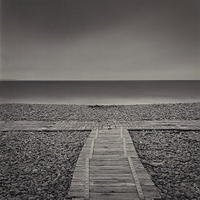
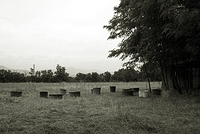
but calm down, don't be offensive


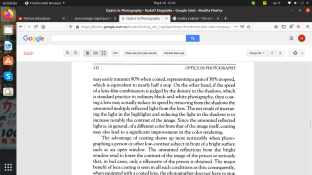
 I just wanna see, the biggest format I have at the present is 6x7 =((( hope some day I can you bigger format


