I shoot mostly slide film, and I recently bought an incident meter. I previously used in-camera meters (with decent, but somewhat variable results).
Single-spot function meters in cameras are only used as a reference point. Relying on the subsequent reading from just one spot can be disastrous, or at least "highly variable". But you can "sweep" the spot meter through the scene and watch the Tv/Av values to get an idea of the brightness range. If you happen to come across an OM4 with its multispot metering and highlight/shadow bias controls, grab it. This was the camera I used back in 1984 to learn how to control exposure using Kodachrome, so once you understand how to apply those controls (spot/hi/lo), subsequent exposure to and practice of spot/multispot metering may be easier to understand.
How do you handle high contrast scenes with incident meters?
*** Measure open area, or close to the prime area of the scene, then memorise this in the meter; next, measure an area in shade, but not deep black. Memorise this also. Then average.
For instance, if you are in the shade of some high clouds, but you want to capture a mountaintop which is bathed in sunlight. What would you do?
*** If you are asking me what I would do, it is use a spot meter if I am to bring home the bacon. The scene you described is one I have confronted many, many times. Neither the brightest (sunlight) nor the darkest (shade) areas should be given priority over either; one measures both, with a mid-tone within the scene as a reference point. Yes! That means you could take along a good old grey (gray) card, but it must be in the same light as the subject.
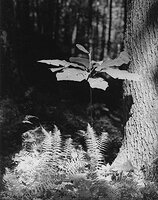
If contrasts are easy to measure (e.g. in a forest you can just put the meter in light and shade), do you average your measurements?



 )
)


