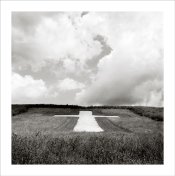
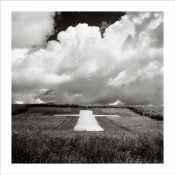
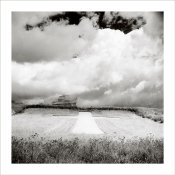
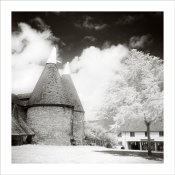
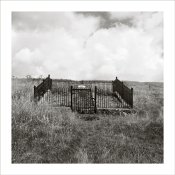
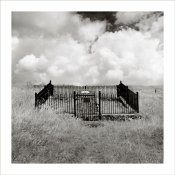
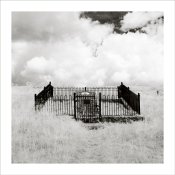
mine....please feel free to collect it...I have never had anything of mine become a collectors item

Maybe your luck has just changed!


mine

Set the meter to iso 200, use a rangefinder, put the filter on the lens, (I use the b&w 092), set the meter to auto and take the photo. Once I started using this method my results greatly improved. Previously I was always testing and not getting anywhere.
-Rob
I got excellent results in D76 1+1 for 11 mins.
I couldn't get the metering right. When using a handheld meter and filter factor I found the shots way to thin. So I thought I would try a test.... set the lens to F16 and shoot a pic at 1 sec. 1/2 sec etc. Once I found out my settings.... next time I tried them they weren't near right... way too over. After going back and forth for a while I started shooting with the little rangefinder and it worked way better.
Today I shot a roll on the rollei twin lens.... I have TTL Metering but I could tell it was giving me the wrong reading with the filter on... so I'm going back to the 35mm rangefinder.
I've also tried the efke in 8x10 but have never gotten a printable neg.
-rob


I settled on ISO 6, maunally metered


A very interesting characteristic of this film, aside from the obvious extended red sensitivity, is how flat the spectral sensitivity is, according to the graph in the data sheet. It appears as if the film responds pretty much equally to all colors of visible light. Given this combined with the fact that this film responds to the entire visible spectrum make it seem like this film should provide the tonal relationships that are most like the human eye sees them, and should theoretically also be an excellent choice for shooting color separation negatives.
Thanks !and 3 more for luck!
As Shangheye said, it is not an IR film so you dont have to worry about all the extra steps that come with them .... for interests sake, here's what Howard Hopwood from Harman Tech told me about the history of the film for the article:SFX originates from production tests for a far red sensitive Aerial Film by ILFORD. One of film designs considered was based on the HP5 Plus emulsion and was suitable for another possible use in European traffic speed cameras. This proved to be very successful and further tests were made to investigate it’s use in creative photography although, as the product was coated on a Polyester base, it was not really suitable for use in 35mm cameras. A coating was tried out on a Triacetate base and this became the product now known as ILFORD SFX. Additionally, the SFX filter was developed to maximise the special effect that was available.
ray - the best advice anyone can give is to suggest you get a few rolls and try it out
 that films of this sensitivity seem to be geared to exposure at 5.6
I intend on doing just that! Unfortunately, there will be no time for practice
I appreciate the difference between this and regular IR films; I have used both types before.
Actually, Ilford mentions the necessity to control focus with non APO lenses when using this film...
I was just wondering what people were really doing.
The few rolls I shot with it seemed to fog more easily than other films. Anyone else note this?
Ar eyou doing some paid work with it or something? No offence meant, but it's a bit foolhardy to use a film out of necessity when you're not used to it's foibles.
are you saying you have used SFX before? in you OP you said "I am going to try SFX200 for the frst time pretty soon" So I assumed that meant you hadnt used it before.
| Photrio.com contains affiliate links to products. We may receive a commission for purchases made through these links. To read our full affiliate disclosure statement please click Here. |
PHOTRIO PARTNERS EQUALLY FUNDING OUR COMMUNITY:  |