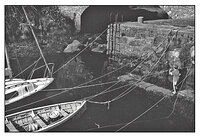
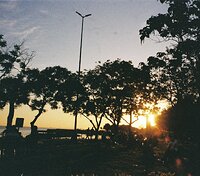
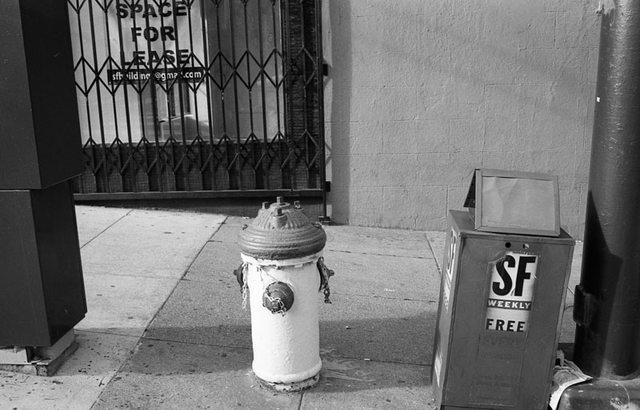
To synthesize Eli griggs’ remarks into one word: composition.
True enough, but too many folks have no clue about the composition of composition, and/or do no take the time to learn enough about the approaches, listed in my post to find it useful when they try conceive and put an subject in front of their lens, or seek avenues to approach and rethink what can be done.
Classic art helps, but even then, you need to be able to articulate, even if only to yourself, what and why the composition you're looking at, works.
Do get a good text book on Art and I recommend Gardner's, "Art Through the Ages", as it huge, and has many good examples of the different factors of composition in different culture, no just Greco-Roman Western Culture.
Smaller works can give you more specific details and examples of how to try them out for yourself.
Johannes Itten's work on colour and his colour circle, and his pairing and approaches to colour for painters will give you a starting place for photographs in colour.
Do learn the Golden Section, both 2-d and 3-d possibilities and use it.
Also get good drawing books, I recommend, "Drawing on the Right Side of the Brain" just because it's the best book on letting that part of the brain "see" and compose.
Learn to use colour contrast filters with b&w films, and cooling and warming filters for colour films and the difference between uv and skylight filters.
And shoot the hell out of every thing.
That's more than enough to help you find your 'voice' in the photographic medium and there's plenty more out there awaiting your pleasure and edification.
Always remember, any skill or knowledge you accumulate in any area, goes into your personal 'tool box's and can be applied in as many areas or mediums you try your arm at.
Cheers