While I pointed out that there are successful creative use of the square format, the vast majority of pictures hanging in museums are not square. With respect to photography, although a photographer may have one idea of how to frame a scene, whether square or some other proportions, there is enough room on 66 square negative to decide later that a different frame would work better than originally intended. This ability to adjust the frame thin one negative rather than using multiple shoos is what I meant by square being economical. Changing the proportions of a frame is not so unusual in the world of painting, and there are plenty of paintings hanging in museums where the artist later added canvas or cut picture down. Fashion photography was the heyday for both Rolleiflex and Hasselblad. Just how many square fashion illustrations have you seen?
35mm, 645, and 69 come closest to classic golden proportions for picture frames (but like all such frames, not pedantically followed by every artist), and I do shoot these formats also. Each has its strong points as well as weak points, but for myself, I tend to compose for full frame when using these formats. For scenic vistas, nothing beats 645 (20 pics to a roll), or 69 (big negative), Of course, everybody has their own preferences for how they work and what they shoot. Enjoy what you do.

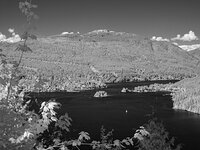
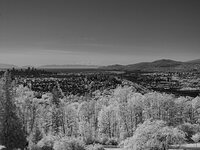


 .
. . And Zeiss makes the best lenses on the planet.
 . I still love the Mamiyas. I have a couple Hasselblad cameras as well, these cameras are so nice. The Acute-Matte screens are amazing, the optics are just astounding, period. With modern film, I can do anything I need to do. The design is perfect, like a Porsche 911, it just doesn't get any better for my taste.

