
Those in the Flickr Film Photography Project group have seen these but I figured I'd share the result at the moment that I've experienced using this type of developer.
I picked up a 1 liter kit from Frugal Photographer website www.frugalphotographer.com/catBluefire.htm (scroll down to the powder mixture if interested in purchasing) and decided to try it out on some of my stash of high contrast film.
This developer is designed to work with high contrast films such as microfilms and their house brand Bluefire Police HR film. I tried a search on Flickr before buying and couldn't find that many examples of people using the developer (however I've found a fair amount from those using the Bluefire Police film with great success).
It's a two part powder that is mixed into a single bottle to make a stock solution (I mixed mine with distilled water, but can be mixed with standard tap water too). When you get ready to develop your film you mix 15mL of stock solution per 250mL of water, thus making a 1:16 one-use working solution.
They give two different times for developing, which I thought was a bit confusing. They first list 12 minutes @ 68 F ( 20 C) of continuous agitation (maybe for a JOBO?) with no description on how it will affect contrast.
The second time was 14 to 16 minutes @ 68 F ( 20 C) with light agitation for the first minute, five seconds of light agitation for the following minutes. Explaining this is to achieve tonal contrast.
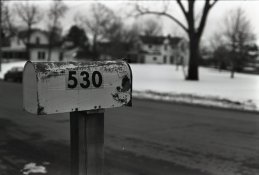
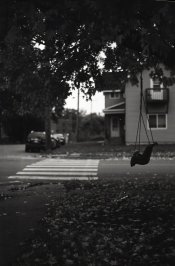
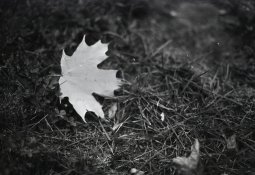
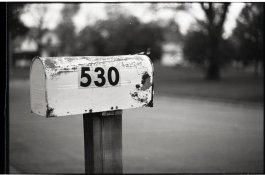
The first film I tried it on was Fuji Super HR 35mm microfilm. This is non-perforated film I ran through a Canon EOS 10s because of it's lack of sprockets and the 10s ability to still use this kind of film. The I metered these at 25 ISO/ASA and shot them in late afternoon during a cloudy fall day (no sun reference).
I processed at the minimum time of 14 minutes opting for the light agitation instructions. Water stop-bath and Clayton Odorless Fixer used for all rolls unless otherwise noted. All the rolls were developed @ 68 degrees Fahrenheit:
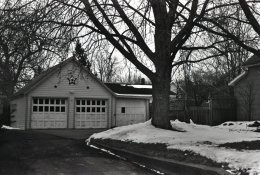
After getting these results, I tried two other high contrast films on a cloudless, sunny day. I wanted to see how well this developer dealt with high contrast lighting situations. The two films I settled on were Eastman Kodak SO-331 Title/Credit film and Kodak Kodalith Type III both in 35mm. Due to the lighting, I bumped development to 15 minutes to see if I could achieve shadow detail with such high contrast film. Camera used was a Pentax K1000 using a Sears 50mm f/2.
Eastman SO-331 shot @ 25 ISO:
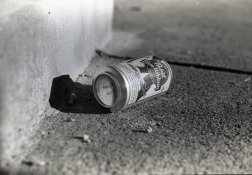
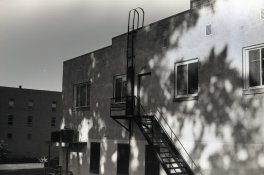
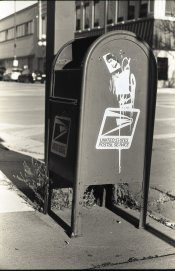
What was not a surprise was how the Kodalith acted when shooting sunlit subjects. Super contrasty, next to no shadow detail.
Kodak Kodalith Type III shot @ 6 ISO:
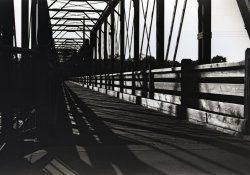
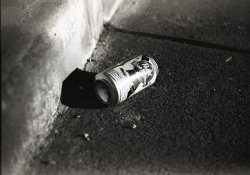
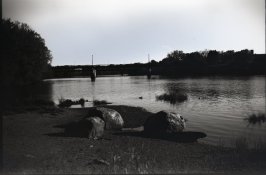
However, when you stick this film in the shadows using this developer, it can be quite lovely:
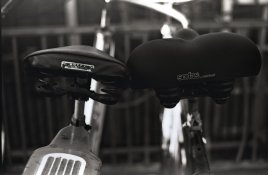
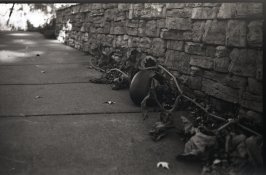
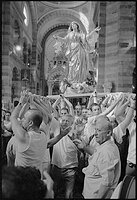
Next, I went back to microfilm front and shot some 35mm Fuji HRII sprocketless microfilm in my Canon EOS 10s. Lens used was a Helios 44-2 on an M42 adapter. Went back to the 14 minute development time with this film.
Fuji HRII shot @ 25 ISO:

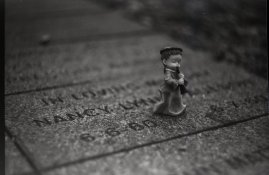

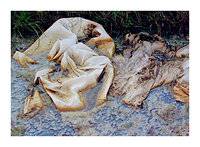
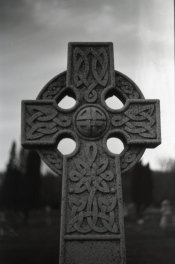
Though I have noticed I will probably have to do a pre-soak as I've noticed a few frames have some uneven development:
I have a few more high contrast film stocks on hand, and while I realize there are plenty of other developers and dilutions out there that could give me the same results, I really wanted to give this a go and see what I would get. I'll update this post with more results when I can.
I picked up a 1 liter kit from Frugal Photographer website www.frugalphotographer.com/catBluefire.htm (scroll down to the powder mixture if interested in purchasing) and decided to try it out on some of my stash of high contrast film.
This developer is designed to work with high contrast films such as microfilms and their house brand Bluefire Police HR film. I tried a search on Flickr before buying and couldn't find that many examples of people using the developer (however I've found a fair amount from those using the Bluefire Police film with great success).
It's a two part powder that is mixed into a single bottle to make a stock solution (I mixed mine with distilled water, but can be mixed with standard tap water too). When you get ready to develop your film you mix 15mL of stock solution per 250mL of water, thus making a 1:16 one-use working solution.
They give two different times for developing, which I thought was a bit confusing. They first list 12 minutes @ 68 F ( 20 C) of continuous agitation (maybe for a JOBO?) with no description on how it will affect contrast.
The second time was 14 to 16 minutes @ 68 F ( 20 C) with light agitation for the first minute, five seconds of light agitation for the following minutes. Explaining this is to achieve tonal contrast.
The first film I tried it on was Fuji Super HR 35mm microfilm. This is non-perforated film I ran through a Canon EOS 10s because of it's lack of sprockets and the 10s ability to still use this kind of film. The I metered these at 25 ISO/ASA and shot them in late afternoon during a cloudy fall day (no sun reference).
I processed at the minimum time of 14 minutes opting for the light agitation instructions. Water stop-bath and Clayton Odorless Fixer used for all rolls unless otherwise noted. All the rolls were developed @ 68 degrees Fahrenheit:
After getting these results, I tried two other high contrast films on a cloudless, sunny day. I wanted to see how well this developer dealt with high contrast lighting situations. The two films I settled on were Eastman Kodak SO-331 Title/Credit film and Kodak Kodalith Type III both in 35mm. Due to the lighting, I bumped development to 15 minutes to see if I could achieve shadow detail with such high contrast film. Camera used was a Pentax K1000 using a Sears 50mm f/2.
Eastman SO-331 shot @ 25 ISO:
What was not a surprise was how the Kodalith acted when shooting sunlit subjects. Super contrasty, next to no shadow detail.
Kodak Kodalith Type III shot @ 6 ISO:
However, when you stick this film in the shadows using this developer, it can be quite lovely:
Next, I went back to microfilm front and shot some 35mm Fuji HRII sprocketless microfilm in my Canon EOS 10s. Lens used was a Helios 44-2 on an M42 adapter. Went back to the 14 minute development time with this film.
Fuji HRII shot @ 25 ISO:
Though I have noticed I will probably have to do a pre-soak as I've noticed a few frames have some uneven development:
I have a few more high contrast film stocks on hand, and while I realize there are plenty of other developers and dilutions out there that could give me the same results, I really wanted to give this a go and see what I would get. I'll update this post with more results when I can.