
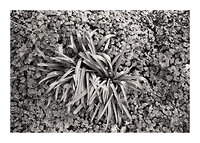

I think we all can agree that almost all methods will work most of the time with great results, Images with lots of detail and confusion are probably the easiest to process, very hard
to see mistakes amongst the trees branches.
Portraits on grey background, on the other hand would be the toughest to get even backgrounds.
I think water quality is probably the first and formost issue with bad process, and we all have different situations. I think Agitation in the first 15-25 seconds comes second in good process.
I have pretty much used every method of processing film and will say that stainless steel tanks are every bit as good as Jobo's and tray processing is as well, (I just am too clumsy to do it right)/
When we would test a new dip and dunk machine, or general yearly maintenance on a dip and dunk machine we would load up the racks with film with slight overall non image exposure
and would then evaluate each film not only on its parameters and internal areas, as well placement in the rack. by reading the film with a densitometer .
What we would be looking for is flow irregularities , density differences, and if we found these problems then we hired Terry and he would come in and go over the whole agitation system in place and
modify till we had even sheets of film.
