• Welcome to Photrio!
    Registration is fast and free. Join today to unlock search, see fewer ads, and access all forum features.
    Click here to sign up

Can anyone Identify the camera from these Photographers/ Images?

Somewhere...

D
Somewhere...

  • 5
  • 2
  • 101
Iriana

H
Iriana

  • 7
  • 1
  • 162

Recent Classifieds

Forum statistics

Threads
202,750
Messages
2,845,060
Members
101,501
Latest member
David99
Recent bookmarks
0

Felippe

Member
Allowing Ads
Joined
Jun 26, 2018
Messages
7
Location
London
Format
DSLR
Hi,

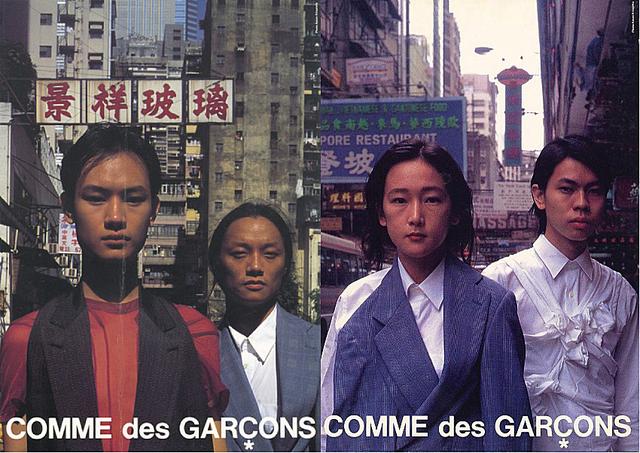
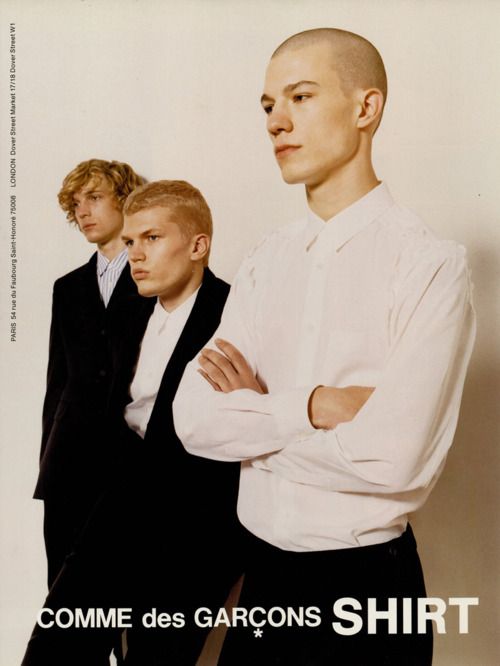
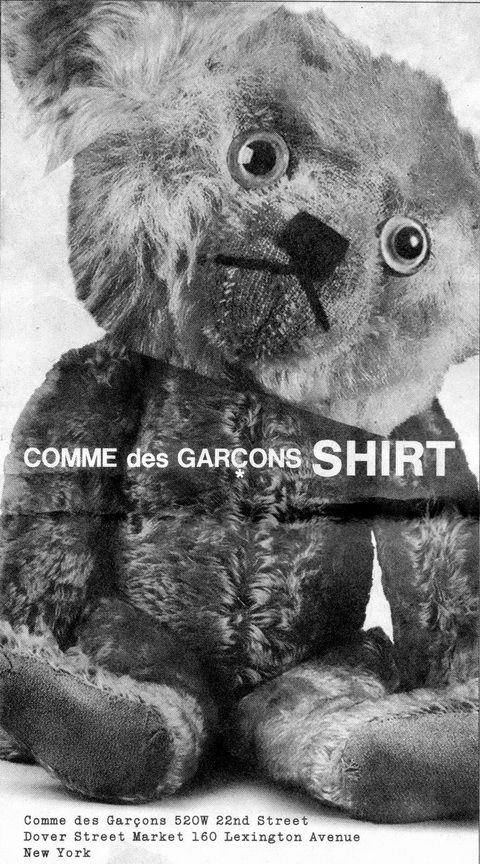
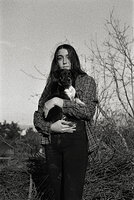
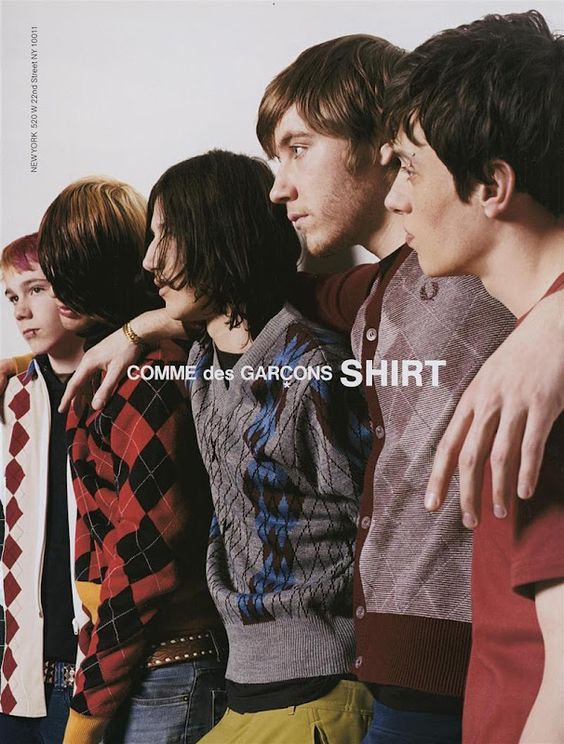
I'd appreciate it if anyone has any knowledge on which kind of camera and brand is being used to get images below, mainly in the works of Collier Schorr, Jim Britt and Keizo Kitajima.

I am looking for a camera that would produces images with this kind of quality but I am not that familiar to know the specifics, so any advice would be appreciated!

Best,

Filipe
545e59ae06063beb9d43fec3b26070d8.jpg
1113972.jpg
cce041168e714ceab732fc9d3ce14840
0cc34e87305d2275131fa4011c3eac6e.jpg
4dec982334552f1e455ca7b580410952.jpg
2.jpg
 
Just about any modern film or digital camera in the hands of a knowledgable photographer. You would be further ahead leaning about technique and craft rather than thinking you can buy it via a camera/
 
Just about any modern film or digital camera in the hands of a knowledgable photographer. You would be further ahead leaning about technique and craft rather than thinking you can buy it via a camera/

Thanks for your reply Eric.
I am aware of that part, however there is a particular style and quality of the photos that I would like to experiment with and I do need some guidance in terms of which cameras and brands would have the best potentials to carry that out, specifically, because I do want to invest into something I can get the results with, ultimately. I'm sure there is a big difference in the camera I am using, I just don't have the experience as most of you on this thread. :smile:
 
I own a Panasonic Lumix gf1...but I don't think I can get anywhere with it close to what I'd want. What I like about these is the kind of flatness and evened, subtle focus between the subject and the background, without great deal of blur or depth. Kind of raw and documentary, sharp and straight forward, catch the details and the texture of the subjects.
 
As mentioned above, almost any film or digital camera could have made those photos. A medium-telephoto lens was probably used in a few of those images to compress the depth.

Knowledge, skill, and technique is what is important and is what makes a quality image. Brand and type of camera (film, digital) mean little.
 
Any decent camera will do; I don't see anything in these photo's that would require a specific camera.
 
Thanks guys, I didn't know that :smile: I'll research more into it then..
 
The photos advertising shirts (other than the one with the stuffed bear) might have been done using a large format camera which permits "swing" or, if the camera is rotated, "tilt". That is a special purpose camera movement that allows a photographer to adjust the plane of focus. The accessory "Tilt-Shift" lenses offer some of that capability. Just as likely, however, a small sensor camera was used with a lens stopped down to maximize depth of field.
For what its worth, much of the quality of several of those images comes from the photographer's use and control of light. If one learns that, the choice of camera becomes secondary - your Panasonic would probably do fine.
 
"What I like about these is the kind of flatness and evened, subtle focus between the subject and the background, without great deal of blur or depth. Kind of raw and documentary, sharp and straight forward, catch the details and the texture of the subjects."

I think you need a camera with several very fast lenses in order to learn efficiently about depth of field. Zooms and small digital sensors would be bad.

More importantly, you need to learn to print your photos (inkjet probably) in order to study your images more carefully than is easy with a typical monitor. Therefore you need to learn Lightroom unless you're prepared to learn how to print color in a darkroom.
 
The photos advertising shirts (other than the one with the stuffed bear) might have been done using a large format camera which permits "swing" or, if the camera is rotated, "tilt". That is a special purpose camera movement that allows a photographer to adjust the plane of focus. The accessory "Tilt-Shift" lenses offer some of that capability. Just as likely, however, a small sensor camera was used with a lens stopped down to maximize depth of field.
For what its worth, much of the quality of several of those images comes from the photographer's use and control of light. If one learns that, the choice of camera becomes secondary - your Panasonic would probably do fine.
Thanks a lot for explaining, appreciate it. I get the approach a bit better now. At least where to start from!:D
 
"What I like about these is the kind of flatness and evened, subtle focus between the subject and the background, without great deal of blur or depth. Kind of raw and documentary, sharp and straight forward, catch the details and the texture of the subjects."

I think you need a camera with several very fast lenses in order to learn efficiently about depth of field. Zooms and small digital sensors would be bad.

More importantly, you need to learn to print your photos (inkjet probably) in order to study your images more carefully than is easy with a typical monitor. Therefore you need to learn Lightroom unless you're prepared to learn how to print color in a darkroom.
Yeah definitely! I'm prepared for anything that will get the results I want!:smile: I'm familiar with Lightroom, however, I wasn't that aware of the importance of the lenses in this case...but I get what you mean, control of the depth is something I'm really interested in visually, I just didn't know the technical approach to it. Thanks for the advice!
 
Yeah definitely! I'm prepared for anything that will get the results I want!:smile: I'm familiar with Lightroom, however, I wasn't that aware of the importance of the lenses in this case...but I get what you mean, control of the depth is something I'm really interested in visually, I just didn't know the technical approach to it. Thanks for the advice!

If 35mm or full frame digital I think you'd want f1.4 prime and 1.8 85 or 100mm and nothing slower than 2.0. You might prefer 6X6 if only one lens...2.8 ideally. I do think some of the photos you identified were shot with a view camera's camera movements but that introduces all sorts of other variables.
 
None of the images showing have a shallow depth of field. It's impossible to tell whether they were shot on film or digital and the curves tweaked in the edit. The top photo almost looks cross processed, slide in C41. The studio shots appear to be taken on a medium format film camera, scanned and colours manipulated in post.
 
#Jtk, he doesn't have to go out and spend a bunch of money to replicate what he has shown us. If he spends the time to learn how to manually control his camera and experiment with the different f stop settings and focal lengths available to him he will be much further ahead than thinking he can "buy" technique. Yes the camera he has poses some limitations but learning how to wring out all the creative potential he can from the Gf1 will serve him well.

I have taught many photography courses to people with cameras such as the OP's and they are amazed at what they can get with a small investment in hardware and time.

Eric
 
Thank you everyone! It maybe was a badly phrased question, but now I understand that it's mainly based on the technique, since that's what I wanted to know. I appreciate all the genuine suggestions, I'll try to make the best of it, and hopefully come up with something I have in mind :smile:
 
With the exception of the third one, these photos are all about studio lighting, not cameras. Expert use of studio lighting is what is giving the effects you desire. Pretty much any camera with interchangeable lenses will give the exact same effect using the same studio lighting techniques.
 
Photrio.com contains affiliate links to products. We may receive a commission for purchases made through these links.
To read our full affiliate disclosure statement please click Here.

PHOTRIO PARTNERS EQUALLY FUNDING OUR COMMUNITY:


Ilford ADOX Freestyle Photographic Stearman Press Weldon Color Lab Blue Moon Camera & Machine
Top Bottom