
Thomas Bertilsson
Member
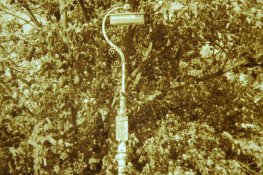
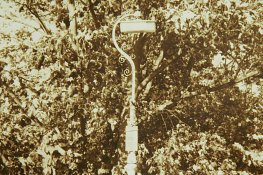
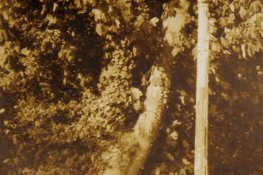
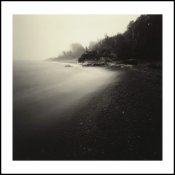
So today I have printed, bleached, and toned about two handfuls of prints.
Papers used: Ilford MGWT, Forte Polygrade V, Fotokemika Varycon, and Fotokemika Emaks G2.
Developer: Ilford Multigrade
Bleach: Potassium Ferricyanide
Toner: Kodak Sepia II and Selenium
Interesting fact. Forte tones very mildly, needs a lot of bleach time in a strong bleach, like 1+5 solution for about 2 minutes. Gets a pretty nice glow in the highlights with Sepia, but selenium on top adds little.
Ilford Warmtone is crazy stuff. Tones like a world champ with sepia if a mild bleach is used, about 1+10-15 and two minutes in the toner. Looks great. Add some strong selenium toner on top of it, and the highlights really start to glow, as if they were radioactive or something. Stunning!
Fotokemika Emaks: The most beautiful honey golden highlights I've ever seen with sepia. Weak bleach and tone for about 45 seconds. Stunning!
Fotokemika Varycon: One word: Subtle. If you want any WOW out of this paper you gotta really work it, but after you work it, you are rewarded. It needs a lot of everything. Needs a lot of contrast in the neg, needs strong bleach, needs lots of toner to get any glow in the highlights, and needs to really be cooked in the selenium to get anywhere, but oh boy when you've got it nailed, this paper is really beautiful!
Now for my question. After all of this experimentation I'd like to understand what difference different types of bleach does to the toning. I only know of pot ferri, and I get it from the Kodak sepia toner packages.
I know this answer: Read Tim Rudman's book. Well, I am not allowed to spend any money on photography any time soon, so I could use some advice...
Thanks,
- Thomas
Papers used: Ilford MGWT, Forte Polygrade V, Fotokemika Varycon, and Fotokemika Emaks G2.
Developer: Ilford Multigrade
Bleach: Potassium Ferricyanide
Toner: Kodak Sepia II and Selenium
Interesting fact. Forte tones very mildly, needs a lot of bleach time in a strong bleach, like 1+5 solution for about 2 minutes. Gets a pretty nice glow in the highlights with Sepia, but selenium on top adds little.
Ilford Warmtone is crazy stuff. Tones like a world champ with sepia if a mild bleach is used, about 1+10-15 and two minutes in the toner. Looks great. Add some strong selenium toner on top of it, and the highlights really start to glow, as if they were radioactive or something. Stunning!
Fotokemika Emaks: The most beautiful honey golden highlights I've ever seen with sepia. Weak bleach and tone for about 45 seconds. Stunning!
Fotokemika Varycon: One word: Subtle. If you want any WOW out of this paper you gotta really work it, but after you work it, you are rewarded. It needs a lot of everything. Needs a lot of contrast in the neg, needs strong bleach, needs lots of toner to get any glow in the highlights, and needs to really be cooked in the selenium to get anywhere, but oh boy when you've got it nailed, this paper is really beautiful!
Now for my question. After all of this experimentation I'd like to understand what difference different types of bleach does to the toning. I only know of pot ferri, and I get it from the Kodak sepia toner packages.
I know this answer: Read Tim Rudman's book. Well, I am not allowed to spend any money on photography any time soon, so I could use some advice...
Thanks,
- Thomas

 I really like the Varycon paper, but am unsure of the sheen you're mentioning. I fail to observe it while comparing toned / untoned prints. Will the migrated silver present any adverse effect to the print archivally wise?
 ). The "bleach" is more properly called a "rehalogenizing bleach" as it actually consists of two components: pot-ferri and a halogen: most commonly potassium bromide. When you bleach a print for toning you are actually rehalogenizing: turning the elemental silver in the image in to a silver halide (in this case, silver bromide).