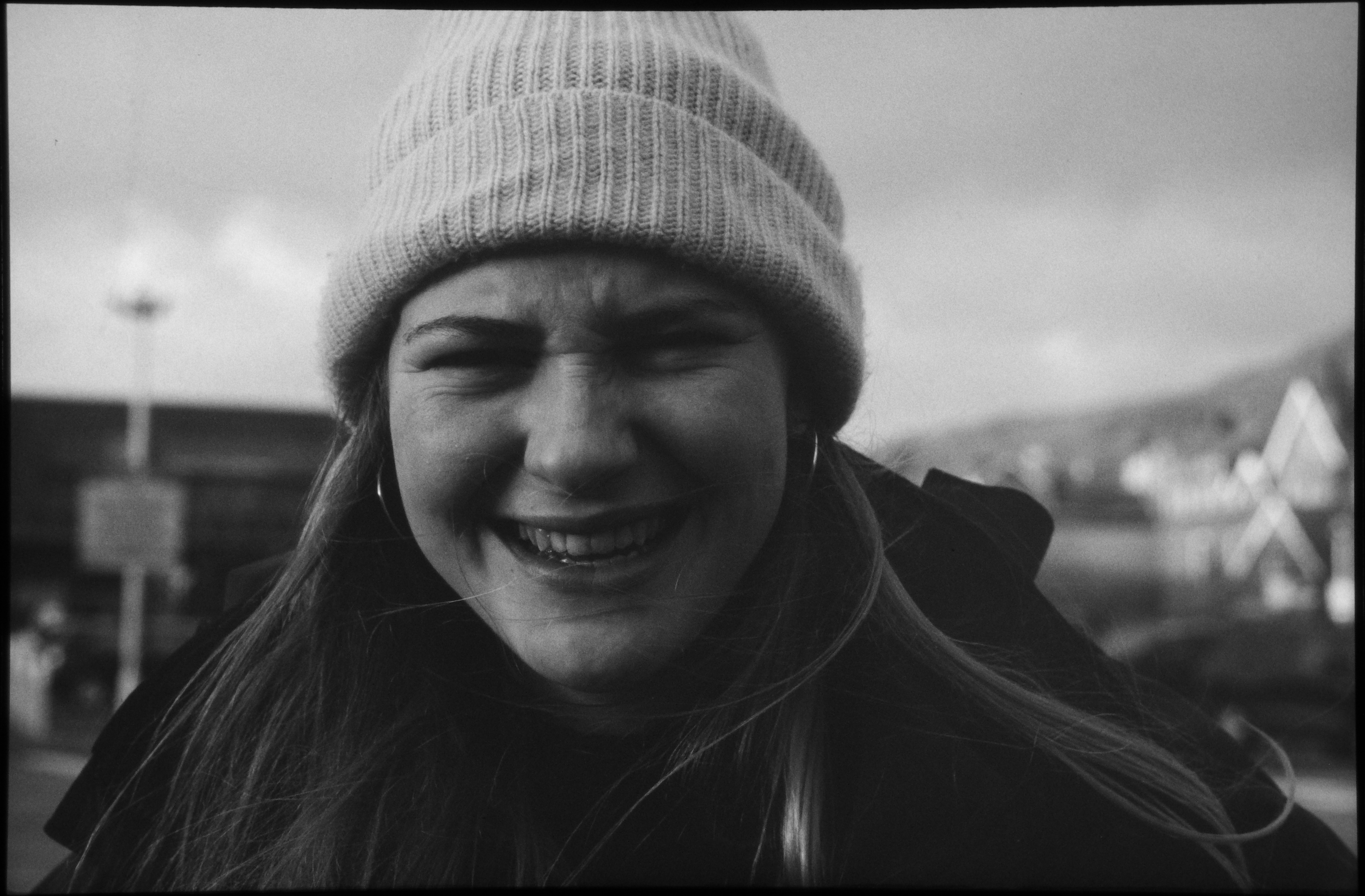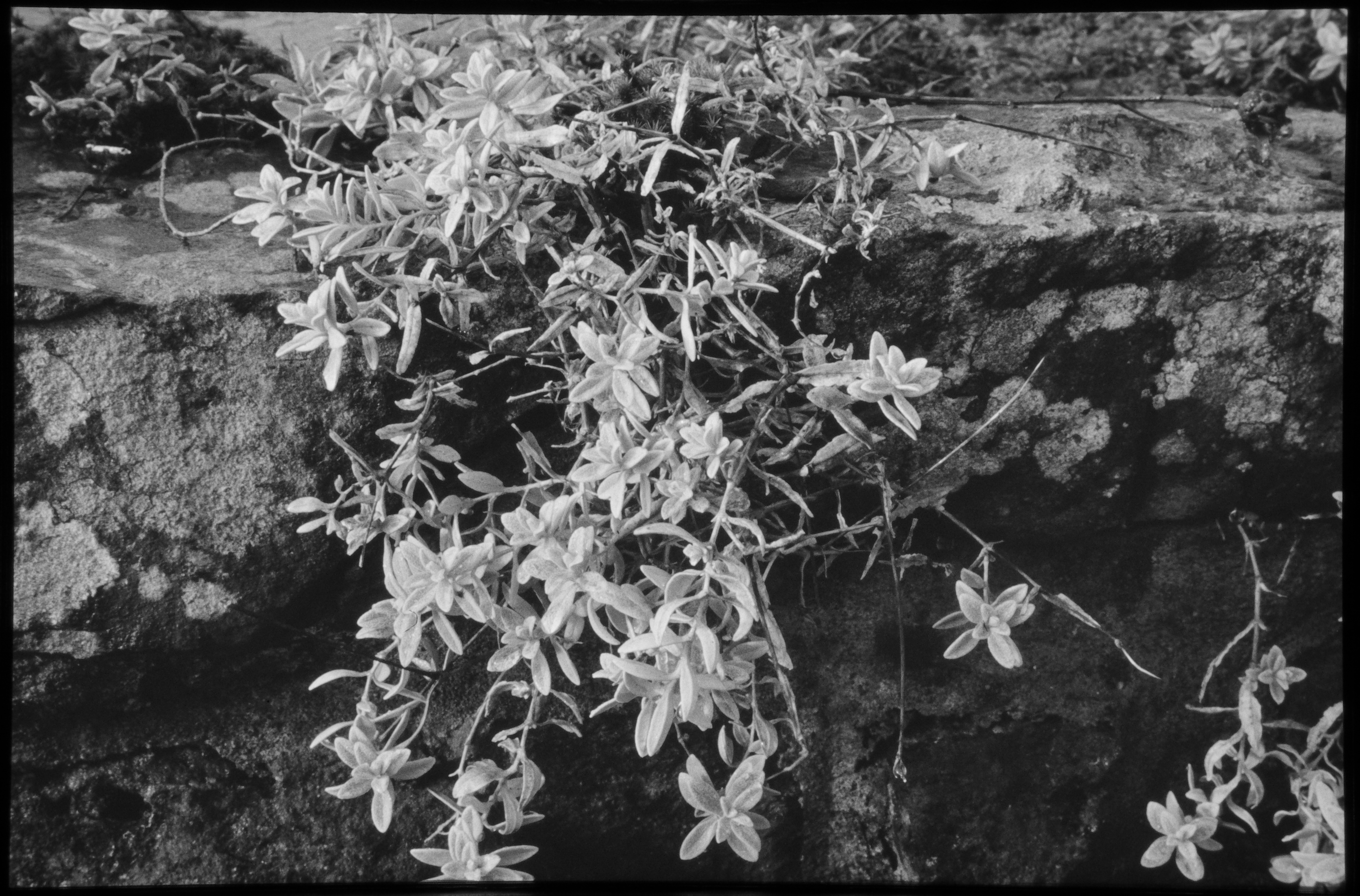
Over the last few years I've processed roughly twelve rolls of Ilford HP5 and FP4 using Ilford's reversal process instructions. I ended up lowering the quantity of sodium thiosulphate in the first developer from what they recommend for FP4 (12g/L) down to 4g/L (and using either 1g/L or none for HP5), but still not being entirely satisfied with the results.
I know there is advice on here to experiment with the quantity of this, but I don't understand why these instructions specify this amount for these specific films when it is clearly too much. However, just to try following other advice (including that included in the Ilford sheet), yesterday I processed a roll sticking 100% to the sheet's quantities but instead varying the EI, bracketing 0, -1 and -2 with a roll of FP4 at 250 ISO (box speed is of course 125). I wanted to see what the results would be like with quite a bit of underexposure but with the full quantity of hypo.
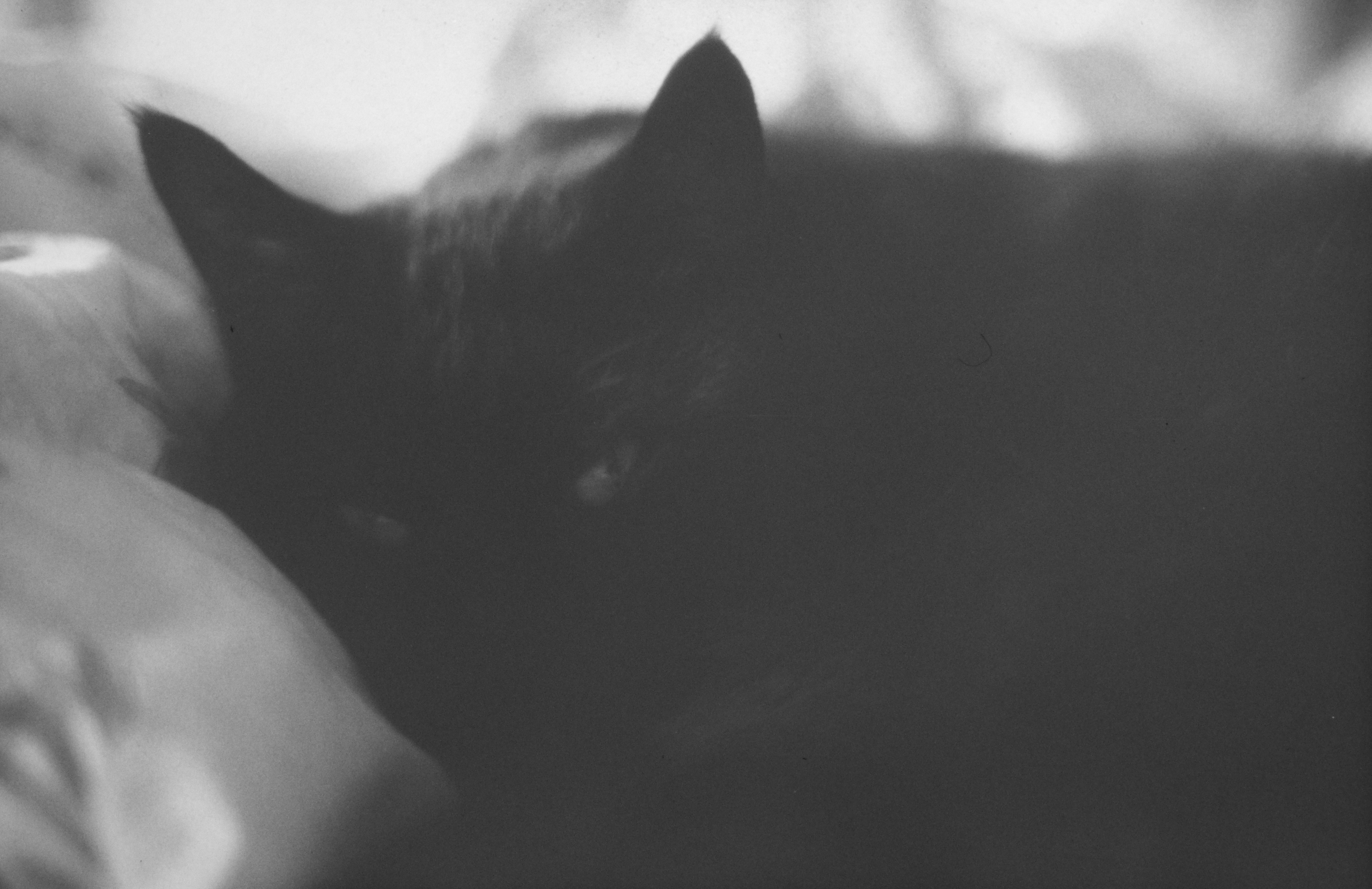
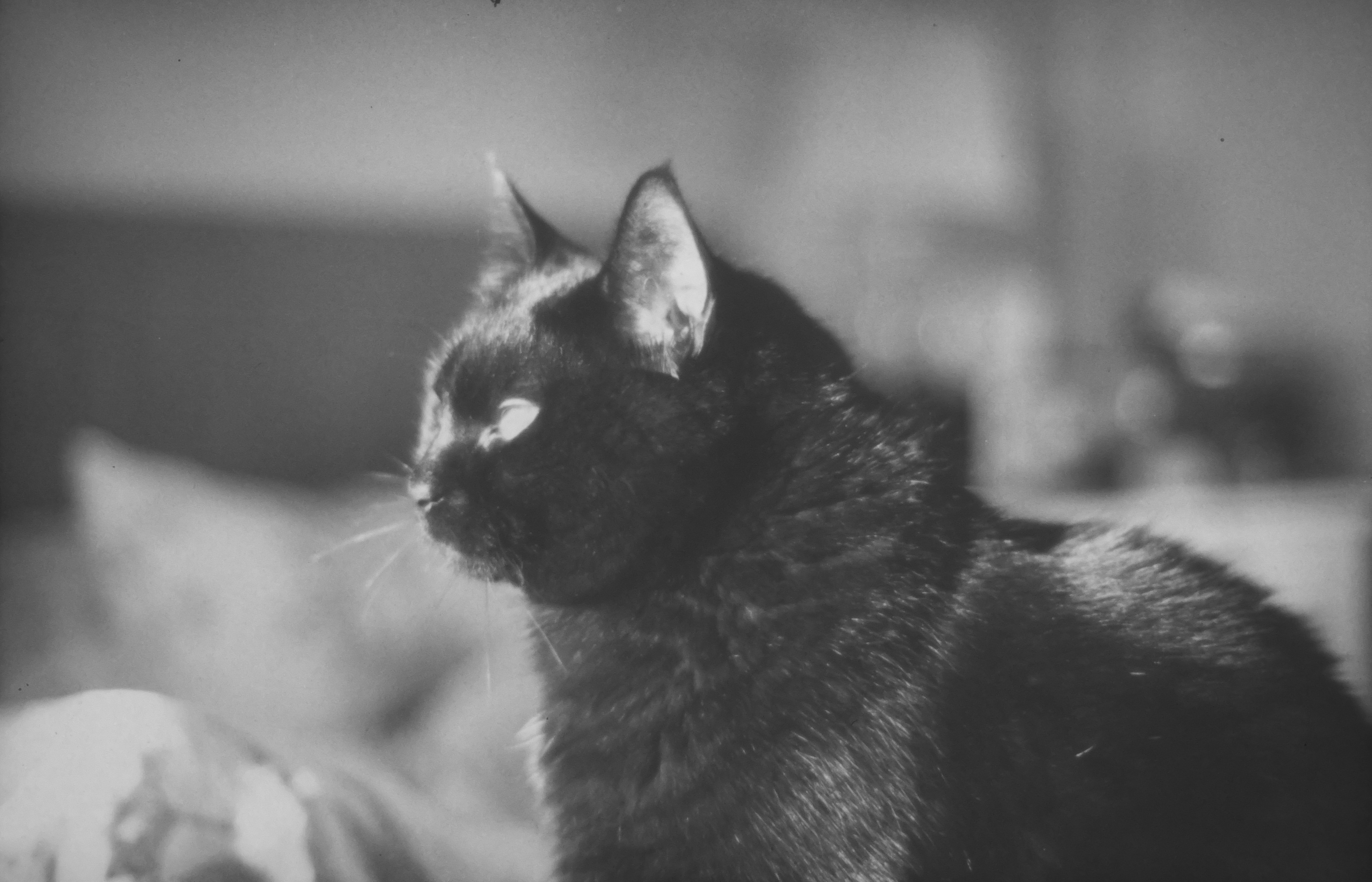
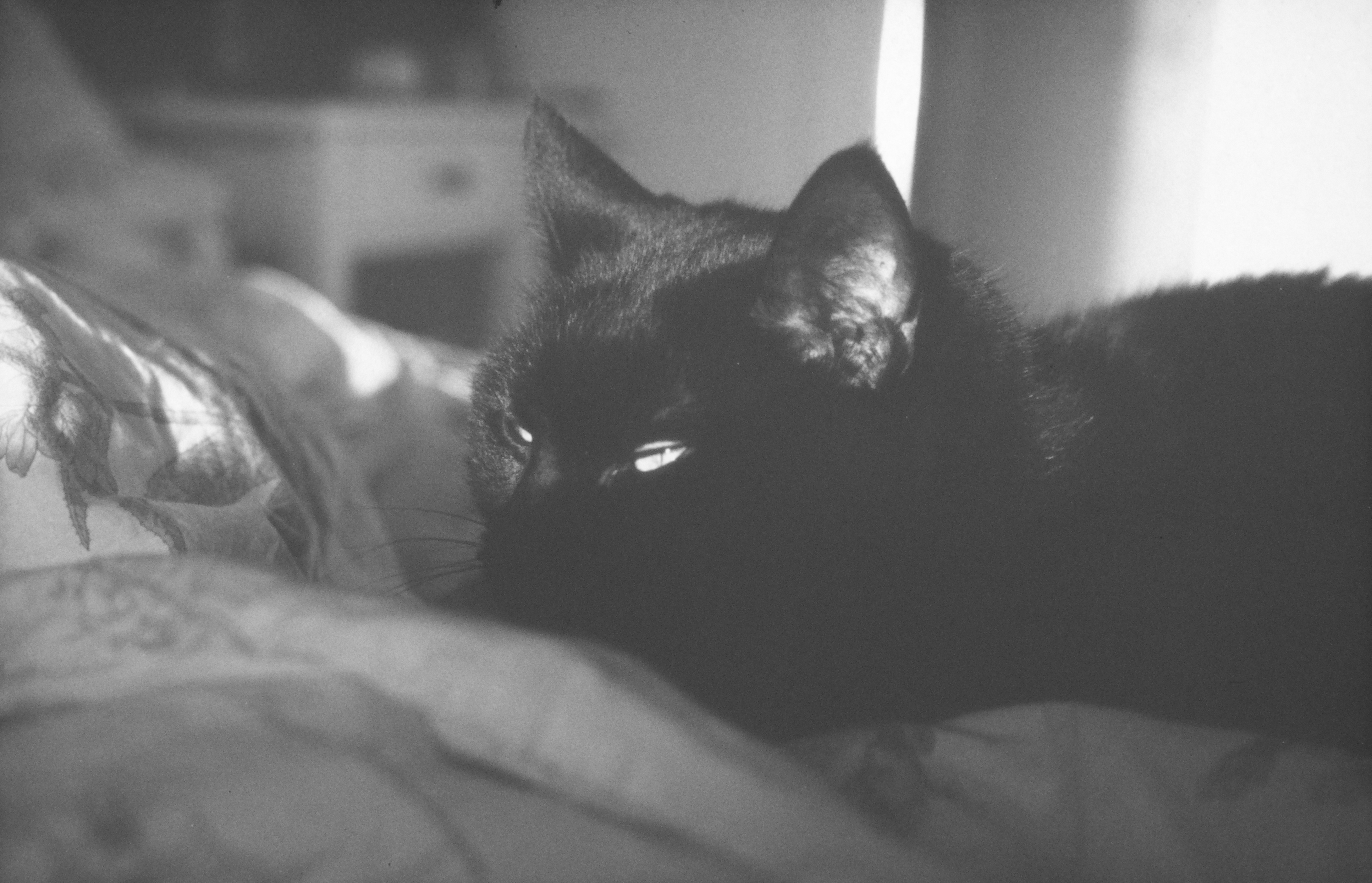
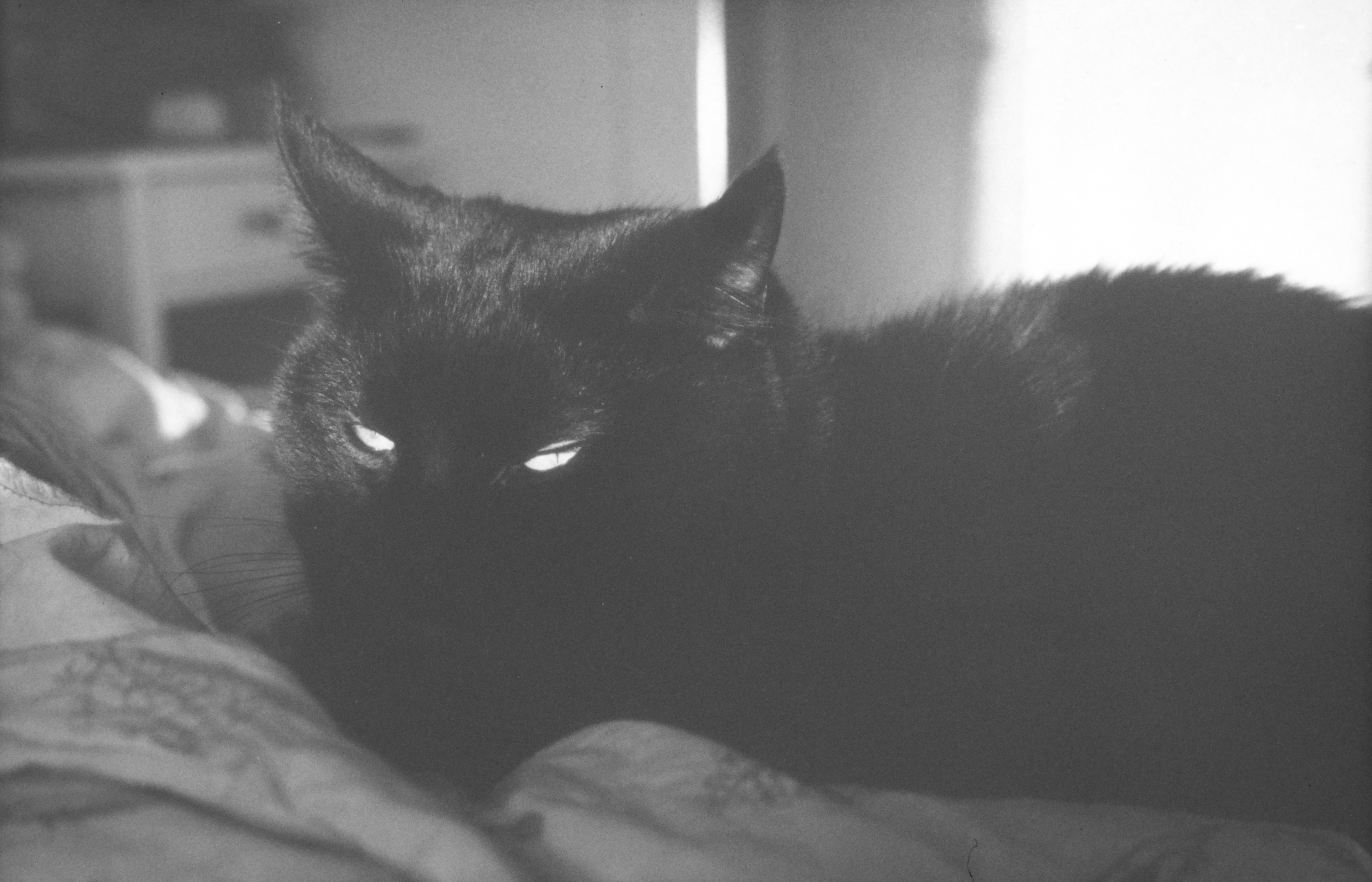
Well, the photos are all hugely lacking in D-max and the ones with the lowest exposure are just muddy - there is almost no detail in the shadows. The edges of the film are similarly lacking in density. The shoot was of my black cat in nice sunlight so this was a good challenge for this test. About half of the photos are useable and look quite nice but have a very narrow contrast range because of the lack of blacks. I will post a couple of scans later today.
I know I should have expected this, but I'm getting pretty disheartened now, not to mention confused, because some sources imply that you *must* use some silver halide solvent in the first developer, whilst others say that actually it's better to use none at all and that you can use the Ilford method as it is but omitting the hypo.
My question I suppose is where do I go from here? Is part of the problem in fact that sodium thiosulphate is inferior to potassium thiocyanate as a 1st developer ingredient? I've collected the necessary chemicals to make Kodak D168 so I think perhaps I should try that. Does anyone have any experience of using that Kodak process with any Ilford films who might be able to recommend a 1st development time? I know the Kodak instructions say 5-10 minutes so I guess if no one's done this I'll just have to try a few different times out.
I find it a little frustrating that those Ilford instructions were out there (I know they've now withdrawn them pending revision and I'll be extremely interested to see what the new instructions are like) with quantities specified which just don't seem to work. I've followed everything in the instructions to the letter so I don't think it's something else I'm doing wrong. My final conclusion was maybe that I was overexposing but this last test has shown that this is not the cause.
Perhaps before trying D168 (or as well as) I should try a roll with the Ilford-specified ingredients but with maybe an 8 minute developing time rather than 12 minutes?
I know there is advice on here to experiment with the quantity of this, but I don't understand why these instructions specify this amount for these specific films when it is clearly too much. However, just to try following other advice (including that included in the Ilford sheet), yesterday I processed a roll sticking 100% to the sheet's quantities but instead varying the EI, bracketing 0, -1 and -2 with a roll of FP4 at 250 ISO (box speed is of course 125). I wanted to see what the results would be like with quite a bit of underexposure but with the full quantity of hypo.
Well, the photos are all hugely lacking in D-max and the ones with the lowest exposure are just muddy - there is almost no detail in the shadows. The edges of the film are similarly lacking in density. The shoot was of my black cat in nice sunlight so this was a good challenge for this test. About half of the photos are useable and look quite nice but have a very narrow contrast range because of the lack of blacks. I will post a couple of scans later today.
I know I should have expected this, but I'm getting pretty disheartened now, not to mention confused, because some sources imply that you *must* use some silver halide solvent in the first developer, whilst others say that actually it's better to use none at all and that you can use the Ilford method as it is but omitting the hypo.
My question I suppose is where do I go from here? Is part of the problem in fact that sodium thiosulphate is inferior to potassium thiocyanate as a 1st developer ingredient? I've collected the necessary chemicals to make Kodak D168 so I think perhaps I should try that. Does anyone have any experience of using that Kodak process with any Ilford films who might be able to recommend a 1st development time? I know the Kodak instructions say 5-10 minutes so I guess if no one's done this I'll just have to try a few different times out.
I find it a little frustrating that those Ilford instructions were out there (I know they've now withdrawn them pending revision and I'll be extremely interested to see what the new instructions are like) with quantities specified which just don't seem to work. I've followed everything in the instructions to the letter so I don't think it's something else I'm doing wrong. My final conclusion was maybe that I was overexposing but this last test has shown that this is not the cause.
Perhaps before trying D168 (or as well as) I should try a roll with the Ilford-specified ingredients but with maybe an 8 minute developing time rather than 12 minutes?